

18 Funny Old Ads That Accidentally Got Everything Wrong for Florida Consumers

Advertising has always tried to convince Floridians to buy things they don’t really need. But looking back, some of the pitches were so over-the-top, they turned into unintentional comedy.
From “scientific” miracle powders to soda endorsed as breakfast fuel, these ads didn’t just stretch the truth. They launched it into another galaxy.
What felt persuasive decades ago now reads like satire, making us laugh, cringe, and occasionally wonder, “Did people really fall for this?”
Cigarettes Marketed as Healthy
Once upon a time, you could find ads showing doctors, dentists, and even Santa Claus recommending cigarettes.
Brands like Camel ran full-page spreads claiming more doctors smoked their brand than any other.
The pitch was that smoking was not just safe, it was practically endorsed by medical science.
Imagine sitting in a waiting room while your doctor puffed away, telling you it was “good for your throat.”
Of course, this was decades before the Surgeon General’s famous warning in 1964. Looking back, it feels absurd that anyone thought cigarettes were a wellness product.
Even today, these ads resurface online as a reminder of how persuasive marketing can override common sense.
Soap Promising to Find You a Husband
Soap makers once leaned hard into the idea that cleanliness equaled romance.
One notorious Lifebuoy campaign suggested women risked being “left on the shelf” unless they smelled fresh and used their product daily.
The underlying message was harsh: your love life depended on whether you bought the right bar of soap.
Not only was it sexist, but it also implied that soap could magically improve your odds of marriage. A squeaky-clean twist of fear marketing if there ever was one.
Nowadays, it’s the kind of ad that sparks equal parts laughter and eye-rolls.
Kids Selling Soda for Breakfast
There was a time when soda wasn’t just a treat. It was positioned as an energy booster that could replace milk or juice at the breakfast table.
Pepsi ran ads with children gleefully drinking soda in the morning, while slogans urged parents to start the day “refreshed.”
From today’s nutrition standpoint, it’s a nightmare: a breakfast of pure sugar and caffeine being sold as “wholesome.”
The only thing more shocking is that it actually worked for a while, with families truly believing cola was kid-friendly fuel.
Radioactive Household Products
When radium was first discovered, advertisers couldn’t wait to sprinkle it into everyday items. You could buy radium toothpaste, radioactive water, and even glow-in-the-dark lingerie.
These ads promised energy, youth, and vitality. One company even branded its product “Radithor,” claiming it would make men more virile.
Instead, it often poisoned the users, sometimes fatally.
What was marketed as futuristic and luxurious is now a chilling reminder that not all “cutting-edge” products age well.
Vacuum Cleaners That Shamed Housewives
Vacuum ads from the mid-20th century often featured husbands giving their wives new cleaning machines as if it were the ultimate romantic gesture.
The ads leaned on guilt and obligation: “Don’t let your husband down, keep his home spotless!”
Looking at them today, they’re a crash course in outdated gender roles.
The idea that a woman’s happiness was directly tied to dust removal feels laughably off.
Instead of “romantic,” these ads now read as painfully tone-deaf.
Soda as a Weight-Loss Drink
Before diet pills and keto smoothies, there were ads encouraging people to drink soda to lose weight.
One infamous line from a 1960s print ad for Tab cola read: “The beautiful shape of things to come.”
The suggestion was that by sipping soda, women could slim down effortlessly.
Of course, the drinks were loaded with sugar or questionable artificial sweeteners. Not exactly a miracle diet.
It’s a perfect example of how marketing twisted indulgence into a “health” message.
Ads Telling Moms Beer Was Good for Babies
Yes, this really happened. Some mid-century ads suggested beer could help nursing mothers relax and “produce more milk.”
The visual was often a happy mom holding her baby while sipping from a frosty bottle.
Not only was this medically unsound, but it also sent a very confusing message: have a beer, it’s practically part of child-rearing.
Modern parents can only shake their heads at how bizarre this advice sounds today.
Sugar Sold as Energy for Kids
Sugar was once promoted as a “quick energy” food, especially for children.
Candy companies ran ads encouraging parents to give kids sweets “just before lunch” to help them make it through the day.
These ads even claimed sugar was part of a balanced diet.
Imagine teachers dealing with a classroom of kids bouncing off the walls after mom packed a chocolate bar as brain fuel.
It’s funny now, but it also explains why dental health was a national disaster for so long.
Airplane-Themed Ads That Promised Too Much
The jet age inspired some of the wildest advertising promises.
From chewing gum “so refreshing it feels like flying” to household products that claimed to deliver “airplane speed convenience,” companies leaned heavily into aviation metaphors.
But perhaps the funniest were airlines themselves, running ads that suggested flights would be luxurious, glamorous experiences filled with steak dinners and legroom “to spare.”
Fast-forward to today’s cramped economy seats, and the contrast feels like one big inside joke.
Soap That Promised to Wash Away Sin
Religious undertones sometimes popped up in old ads, especially for soap.
One campaign implied that a specific brand could cleanse not just your skin, but your soul.
The ads showed radiant, smiling women after a bath, glowing with purity, as if a bar of soap could erase guilt or bad behavior.
It was heavy-handed, dramatic, and unintentionally hilarious.
At the end of the day, it was still just soap.
Makeup That Claimed to Change Your Life
Cosmetic ads in the 1950s and 60s didn’t just promise beauty, they promised total transformation.
Lipstick wasn’t just lipstick. It was “the secret to happiness.” Mascara wasn’t just makeup. It was “the key to success in love.”
These ads often implied that women’s entire futures hinged on whether they bought the right shade.
What reads as manipulative now was just standard ad copy back then.
And that’s exactly what makes them so funny in hindsight.
Gasoline That Promised Better Romance
Oil and gas companies were surprisingly bold with their ad copy.
One campaign suggested that using premium gasoline would “make her love you more.”
The logic? A smoother ride in your car would impress your date.
It’s the kind of leap that leaves modern audiences laughing.
Fuel efficiency might help your wallet, but it’s probably not winning anyone’s heart.
Ads That Promised Technology Would Eliminate Housework
Household appliance ads in the 1950s often declared that machines would “free women forever” from chores.
The washing machine, the dishwasher, the electric iron, they were all marketed as the final step toward total domestic freedom.
Instead, chores simply expanded. More gadgets often meant more expectations.
It’s funny to think how confidently these ads promised a utopia that never arrived.
Ads That Treated Coffee as Medicine
Coffee has always had its fans, but mid-century ads sometimes promoted it as a literal health aid.
Some campaigns pitched coffee as a cure for fatigue, headaches, or even depression.
The copy read like pharmaceutical labeling, only with steaming mugs instead of pills.
It’s hilarious now, but it also shows how far coffee culture has come, from “doctor’s orders” to pumpkin spice lattes.
Future Predictions That Flopped
Companies in the 1950s and ’60s loved to predict the future in their ads. Flying cars, robot maids, and kitchens that cooked meals with the push of a button.
Some predictions came true (microwaves, for example). But others never (or haven’t fully yet) materialized.
Ads confidently promised entire cities under domes by the year 2000. That didn’t exactly happen.
These overly ambitious visions are funny now, but they also reveal how much faith people once had in science fiction.
Ads That Sold Typewriters as “Freedom”
Before computers, typewriters were marketed as life-changing machines. Ads promised freedom, independence, even personal reinvention, all through clacking away on the keys.
The imagery suggested that a woman with a typewriter could suddenly become a glamorous, powerful figure.
Of course, typewriters were tools, not magic. The promises feel wildly overblown.
But that’s what makes the ads so entertaining today.
Candy That Promised Popularity
Candy companies often told kids that buying the right chocolate bar or bubble gum would make them popular.
Ads showed children surrounded by friends, smiling, all thanks to the candy in their hands.
It was playground-level peer pressure turned into a national marketing strategy.
Today, the idea that a single candy bar could secure your social standing is laughably naive.
Car Ads That Treated Safety as Boring
Back when seat belts were new, car companies actually downplayed them. Some ads even mocked the idea of safety features, suggesting they made cars “too serious.”
Instead, they focused on horsepower, fins, and flashy chrome.
The thought of advertisers dismissing safety as a selling point seems ridiculous today.
It’s proof that even billion-dollar industries can badly misread consumer priorities.
14 Restrictions American Men Faced in the Early 1900s

One hundred years ago, there were many things men weren’t allowed to do from a legal or societal perspective.
Whether it was about fashion, feelings, or family roles, these are some of the strict rules that governed men a century or more ago.
14 Restrictions American Men Faced in the Early 1900s
20 Nostalgic Things Americans Could Buy for Under $1 Back in the Day
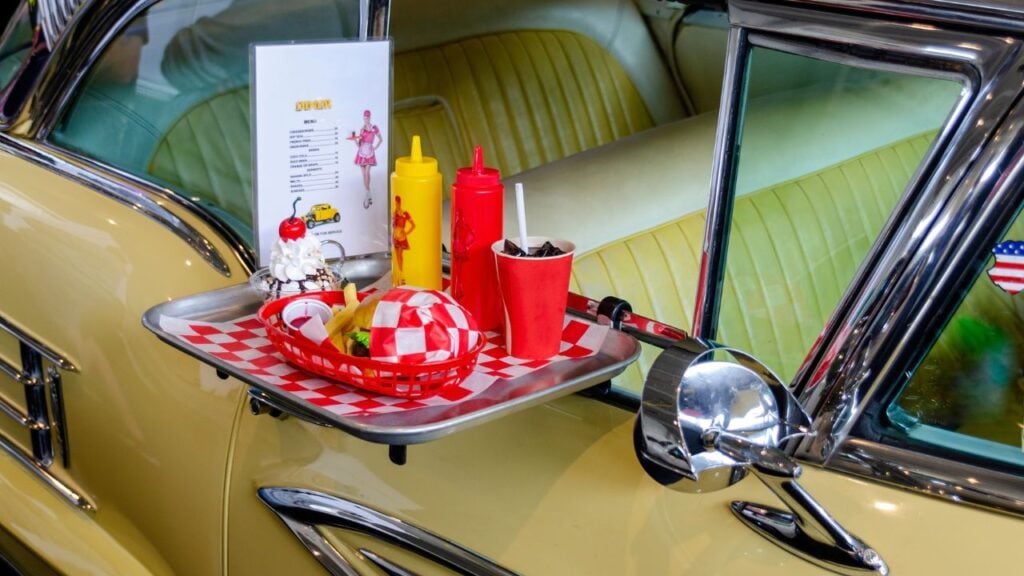
It’s hard to believe now, but there was a time when $1 could buy something meaningful.
Let’s take a trip back to the days when Americans’ pockets didn’t need much cash to bring home something fun, useful, or just plain delicious.
20 Nostalgic Things Americans Could Buy for Under $1 Back in the Day
Which Classic American Decade Is Totally You?
Take a quick break and discover which classic American era matches your personality and old-school soul. Our Decade DNA Quiz is fast, fun, and full of feel-good retro energy.
Meet Your Match. Discover Your Decade DNA. (Your Vintage Roots Are Showing)

