

18 Hidden Benefits of Taking Short Walks After Meals That Hoosiers Can Take Advantage Of

Many Hoosiers assume only “real” workouts happen in gyms. But it turns out one of the simplest, effective workouts might be a slow walk after dinner.
Just ten minutes of movement after eating can quietly work wonders, from better digestion to calmer moods.
It’s not about sweating or counting steps. It’s about finding balance in those small, in-between moments that most people rush past.
Here’s why those short, post-meal strolls might be doing more for you than you realize.
It Helps Steady Your Blood Sugar
After a meal, your blood sugar naturally rises as your body digests what you’ve eaten. A quick stroll helps steady your blood sugar by encouraging your muscles to use some of that glucose for energy.
This can make you feel more balanced and less sluggish in the hour after eating.
You might notice fewer mid-afternoon crashes if you walk after lunch, especially if that lunch involved something carb-heavy like pasta or a sandwich.
Even a leisurely pace is enough to make a difference. You don’t have to power walk like you’re late for a meeting. Just moving is what matters.
Over time, these little walks can add up to more stable energy throughout the day.
It Can Improve Digestion Naturally
If you’ve ever felt bloated after dinner, a walk can help.
Gentle movement supports your digestive system’s natural rhythm, making it easier for food to move along without discomfort.
Many people find that walking after eating is like a mini massage for their gut. It’s subtle, but you may notice less pressure or that “too full” feeling easing away as you walk.
This trick works well after heavy or rich meals, like a holiday spread or a big brunch. A short lap around the neighborhood is often more effective than lying on the couch and regretting that second helping of mashed potatoes.
In other words, improve digestion naturally by walking it off instead of sitting it out.
It Gives You a Quick Mood Boost
Sometimes, the difference between a cranky evening and a cheerful one is a little fresh air. A brief post-meal walk can give you a quick mood boost by changing your scenery and getting your body moving.
The gentle increase in circulation wakes up your brain and can make you feel more refreshed than a second cup of coffee.
Even if you’re not in the best mood before stepping out, a few minutes outside can shift how you feel.
Add in a favorite podcast or a walking buddy, and it turns into a mini ritual you’ll look forward to.
It’s an easy way to reset without needing anything more than your front door.
It Encourages Better Portion Control
Here’s a sneaky benefit: knowing that a walk comes after your meal can encourage better portion control without you even realizing it.
When you plan to move afterward, you may naturally eat until satisfied rather than stuffed, making post-meal movement more comfortable.
This habit can help break the “feast and flop” cycle many people fall into after big meals, especially on weekends.
It’s easier to say no to that extra serving of mac and cheese when you know you’ll be lacing up your sneakers in ten minutes.
It’s not about restriction, it’s about setting up a gentle rhythm that works with your body, not against it.
It Turns a Routine Into “Me Time”
A short walk can turn a routine into “me time” in the simplest way. Instead of rushing from one task to the next, it becomes a tiny pocket of space where no one needs anything from you.
You can use that time to reflect, listen to music, or just enjoy the quiet.
Many people find that this daily ritual becomes something they crave, not something they “should” do.
This is especially helpful for busy parents or anyone with a packed schedule. Five to ten minutes might not seem like much, but it can feel surprisingly restorative.
Think of it as your built-in daily pause button.
It Supports a Healthy Evening Wind-Down
If you’ve ever had trouble relaxing after dinner, adding a walk might help. This small shift can support a healthy evening wind-down, signaling to your body that the day is transitioning.
The fresh air, light movement, and change of environment can make it easier to settle in for the night afterward.
It’s a gentle way to avoid getting sucked into a late-night scrolling session on the couch.
And if you walk with family or a friend, it doubles as social time, no screens required.
Over time, this can become a calming ritual that your mind and body both look forward to.
It Helps Combat Afternoon Slumps
You know that sleepy, foggy feeling that often creeps in after lunch? A quick stroll can help combat afternoon slumps better than another cup of coffee.
Light movement encourages better circulation, which brings a gentle wave of alertness without the caffeine crash.
Many office workers find that even pacing the hallway or stepping outside for a short loop helps them return to their desks with a clearer head.
It’s a simple fix that doesn’t involve sugar, energy drinks, or splurging on another latte.
It Keeps Your Heart Happy
Regular walks can keep your heart happy in ways that don’t require hour-long gym sessions.
When you move after eating, you’re giving your cardiovascular system a little nudge without overwhelming it.
The heart loves consistent, gentle movement. Over time, these short walks can support better endurance and a stronger heartbeat.
Think of it as a small investment you make three times a day that adds up to something meaningful.
Plus, it feels a lot less intimidating than signing up for a boot camp class.
It Encourages Consistency Without Pressure
One of the hardest parts about starting a new habit is keeping it up. Post-meal walks are easy to stick with because they encourage consistency without pressure.
You’re already eating every day, you’re just adding a quick stroll to something that’s already part of your routine.
This makes it easier to build momentum and turn it into a long-term lifestyle habit, rather than a short-lived burst of motivation.
No fancy schedule, no equipment, no guilt trips required.
It Makes Family Time More Enjoyable
A walk after dinner can make family time more enjoyable by getting everyone moving together without screens.
It’s a natural way to catch up on the day, swap stories, or just share a laugh while wandering the neighborhood.
Kids often love the chance to move around after sitting through dinner, and adults get the bonus of some light activity that doesn’t feel forced.
Before you know it, it can become one of those cozy daily traditions everyone secretly looks forward to.
It Helps You Sleep More Soundly
Taking a short stroll after your last meal can help you sleep more soundly later on.
Light movement supports your body’s ability to relax and settle, which can make falling asleep easier.
It’s not a workout that revs you up. It’s a gentle activity that eases you into rest mode.
Many people find that this little change improves how deeply they sleep, especially if they walk at roughly the same time each evening.
It’s a tiny shift that pays off when your head hits the pillow.
It Adds Joy to Ordinary Moments
There’s something charming about finding happiness in simple routines. A short stroll can add joy to ordinary moments in a way that surprises people who try it consistently.
Whether it’s noticing a neighbor’s new garden, catching a sunset, or just enjoying a quiet block, those little details become the highlight of your day.
People often pack their calendars so tightly that small pleasures get overlooked. This habit gently builds them back in.
Before long, you may find yourself looking forward to this pocket of calm more than you expected.
It Encourages Better Posture
Sitting for long stretches, especially after a big meal, can make your posture slump without realizing it.
A short walk helps encourage better posture by opening up your chest and gently activating the muscles that keep you upright.
This is particularly helpful if you work at a desk all day. Getting up for a stroll after lunch counters that forward-hunched position many people settle into.
Even a few minutes of walking can make your shoulders drop back and your spine realign in a way that feels instantly better.
It’s a subtle fix that adds up when repeated daily.
It Creates Space Between Meals and Snacks
When you walk after eating, you naturally create space between meals and snacks, giving your body time to register fullness.
Many people reach for a snack simply out of habit, not hunger. A quick stroll acts as a built-in pause, helping you distinguish between the two.
This gentle buffer can make it easier to maintain mindful eating habits without strict rules.
It’s a small behavioral trick that works surprisingly well in everyday life.
It Helps You Explore Your Neighborhood
Those daily walks might help you explore your neighborhood in ways you didn’t expect.
You’ll start noticing small things you used to overlook: a new café, a street you’ve never turned down, or seasonal decorations popping up on porches.
This adds a refreshing element of novelty to your routine, which keeps the habit from feeling stale.
It turns your post-meal stroll into a mini adventure, no travel required.
It Can Spark Creativity
Movement and fresh air often can spark creativity when you least expect it.
Writers, artists, and problem solvers of all kinds have long sworn by walking as a way to clear mental clutter and unlock new ideas.
Even if you’re not working on a big project, you might find solutions to small daily problems surfacing as you walk.
It’s like your brain gets a little room to breathe, and think, while your feet are moving.
It Gives You a Reason to Disconnect
In a world where phones are practically glued to our hands, a quick stroll gives you a reason to disconnect without feeling deprived.
You can leave your phone at home, tuck it in a pocket, or switch it to silent and simply look around.
Those few minutes of digital quiet can feel surprisingly refreshing, especially after a day filled with notifications.
It’s a simple way to reclaim a bit of focus and presence.
It Reminds You to Slow Down
Lastly, walking after a meal reminds you to slow down, something many people could use more of.
Instead of rushing from one task to the next, this habit builds a natural pause into your day.
It’s a small, steady rhythm that makes life feel less like a race and more like a flow.
And that might be one of its best hidden perks of all.
17 Life Hacks That Are Harder Than the Non-Hack

Life hacks are supposed to make your life easier, and sometimes they really do. However, the internet is rife with hacks that aren’t actually effective.
17 Life Hacks That Are Harder Than the Non-Hack
24 Items That Have Alarmingly High Levels of Microplastics
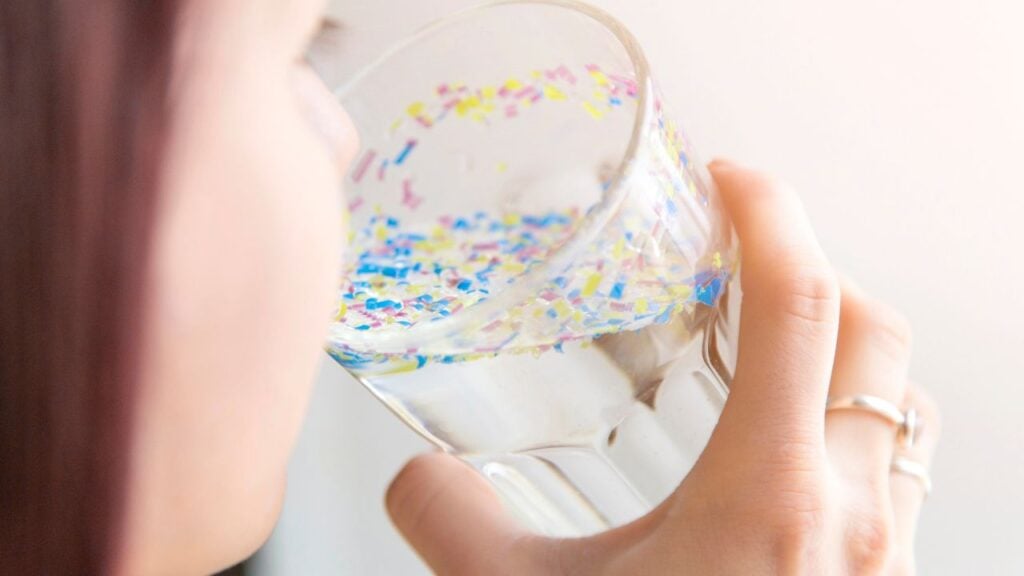
You can’t see, smell, or taste microplastics. But research reveals they’re showing up in our everyday lives.
Here are 24 common items where microplastics hide and why you need to pay attention.
24 Items That Have Alarmingly High Levels of Microplastics
Which Classic American Decade Is Totally You?
Take a quick break and discover which classic American era matches your personality and old-school soul. Our Decade DNA Quiz is fast, fun, and full of feel-good retro energy.
Meet Your Match. Discover Your Decade DNA. (Your Vintage Roots Are Showing)

