
18 Stores That Were Once Brick and Mortar but Californians Can Now Only Shop Online

Remember when a Saturday in California meant heading to the mall, grabbing a cinnamon pretzel, and wandering through store after store without rushing?
The storefronts were familiar, the window displays changed with the seasons, and certain stores became part of our routines. It wasn’t just about buying, it was about being there.
Many of those retailers have since closed their doors, living on only as websites. The logos remain, but the spaces are gone.
Toys “R” Us
For kids in the 1980s and 1990s, a trip to Toys “R” Us felt like winning a small lottery. Endless shelves of action figures, board games, and bikes created a kind of retail wonderland.
But after years of struggling with debt and shifting consumer habits, the company closed its U.S. stores in 2018.
Though attempts have been made to revive the brand with pop-ups and partnerships, the days of walking through aisles clutching a toy catalog are gone.
Now, Toys “R” Us exists as a digital storefront, a nostalgic click away.
Many Americans remember circling their favorite toys in the holiday catalog or begging their parents for a few extra minutes in the video game section. The experience wasn’t just about buying; it was a childhood ritual.
Borders
There was a time when Borders was the cozy weekend stop for book lovers. You’d grab a latte, find a corner, and browse stacks of new releases.
But the chain couldn’t keep pace with the rise of online retailers and e-books.
By 2011, Borders had closed all of its physical locations. What’s left is a name that lives on mainly in memory and a few lingering online presences through other companies.
Many people spent lazy afternoons in Borders’ café flipping through books they didn’t plan to buy, enjoying the quiet hum of espresso machines in the background.
Pier 1 Imports
Walking into Pier 1 used to feel like stepping into a bohemian treasure chest. Rattan furniture, colorful glass lanterns, and intricate throw pillows made it a favorite for home decorators.
But as big-box competitors and online retailers grew, Pier 1 couldn’t keep up. It filed for bankruptcy in 2020 and closed all physical stores.
Today, it operates as an online-only brand, selling its distinctive style through its website.
For many shoppers, Pier 1 was inspiration. People wandered the aisles imagining how their living rooms could look a little more “worldly.”
Linens ‘n Things
Linens ‘n Things was the go-to spot for bedding, towels, and home décor before online shopping became second nature.
Its stores were practical, sprawling, and always seemed to have a coupon at the ready.
By 2008, the company had shut down its brick-and-mortar locations. It later reemerged as a digital-only brand, hoping to recapture shoppers who now clicked instead of drove.
Shoppers remember rifling through clearance bins stacked with bath mats and comforters, often walking out with far more than they planned to buy.
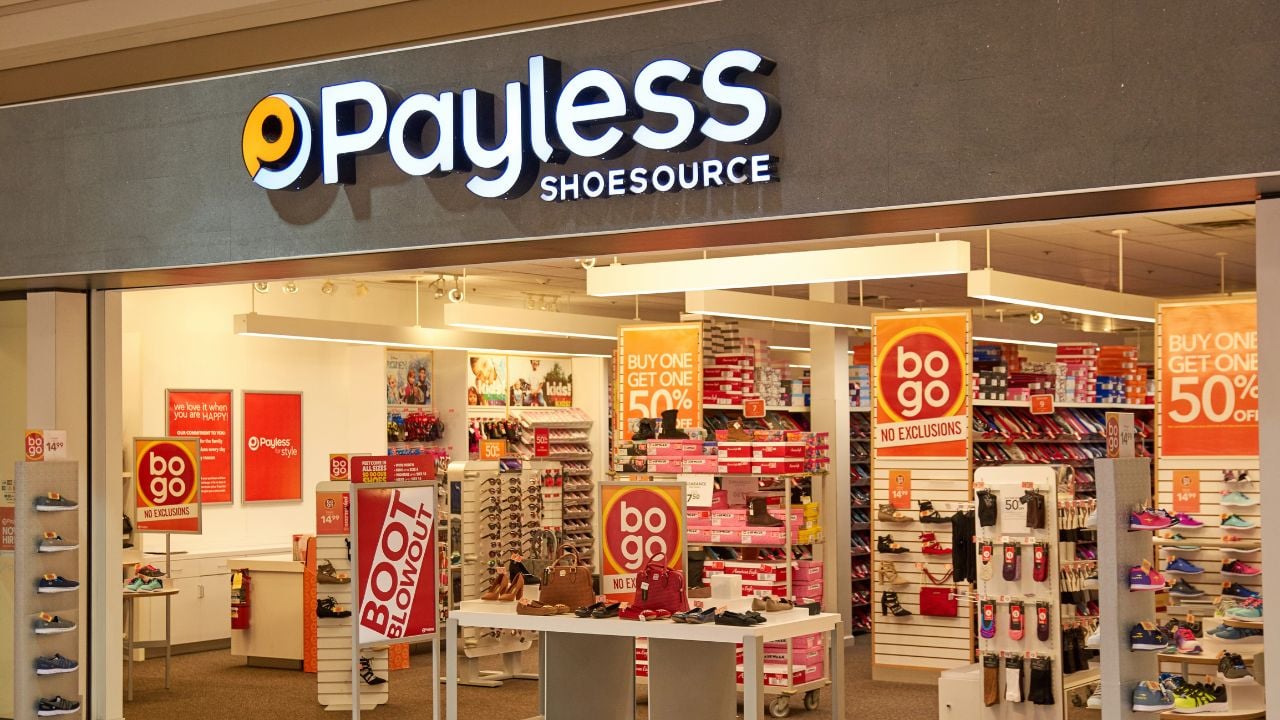
Payless ShoeSource
Payless was the ultimate affordable shoe stop. Families would line up during back-to-school season to snag sneakers, dress shoes, and sandals at low prices.
The company had thousands of locations at its peak.
But in 2019, after filing for bankruptcy for the second time, Payless closed all of its U.S. and Puerto Rico stores.
It has since focused on building an online presence for shoppers, though for many, the memory of sitting on those little benches trying on shoes is hard to replace.
The brand continues to operate in select international markets under separate ownership, but for Americans, the in-person shopping experience is gone.
RadioShack
For decades, RadioShack was the neighborhood hub for batteries, cables, and gadgets you didn’t even know you needed.
It was the place your dad would drag you on a Saturday because “they’ll have the part.”
But with the explosion of online electronics retailers and changing technology, RadioShack’s relevance dwindled. Most of its stores closed by 2017. The brand survives online, offering electronics and nostalgia in equal measure.
Many people can still picture those narrow aisles packed with cords and blinking gadgets, where employees seemed to know the answer to every oddball tech question.
Brookstone
Mall shoppers knew Brookstone for its massaging chairs, quirky gadgets, and the irresistible urge to touch everything. Its stores were as much an experience as a place to buy things.
But as foot traffic declined and gadgets became more widely available elsewhere, Brookstone shuttered its mall stores in 2018.
The company now operates primarily online, with just a handful of airport stores still open, reminders of its once-ubiquitous mall presence.
Trying out one of those vibrating massage chairs in the middle of a busy mall became a small American pastime, especially for tired parents waiting for their kids to finish shopping elsewhere.
Gymboree
For parents of young kids, Gymboree was the spot for coordinated outfits, seasonal collections, and matching sibling ensembles. But the children’s clothing retailer struggled to adapt to changing retail trends.
After filing for bankruptcy twice, Gymboree closed all its stores in 2019.
It was later revived as an online brand under new ownership, focusing on digital sales rather than shopping mall space.
Many parents remember those pastel-filled walls and neatly folded stacks, often paired with a stop at the play area right after.
Dressbarn
Dressbarn’s name was iconic in its own right, and its stores were a mainstay for affordable women’s fashion.
But after nearly 60 years in business, the company decided in 2019 to close all of its locations.
It transitioned fully to an online-only model, keeping the brand alive for loyal customers who had once browsed its racks in person.
For countless women, Dressbarn was the dependable stop for work outfits, special occasions, and those last-minute wardrobe gaps.
The Sharper Image
Long before unboxing videos, The Sharper Image was where people went to marvel at futuristic gadgets.
Air purifiers that looked like spaceships, massage chairs, and oddball electronics filled its sleek stores.
The company closed all physical locations in 2008 after filing for bankruptcy, but the brand lives on digitally, selling its signature assortment through its website.
The store was the unofficial “try everything” zone. Many people have vivid memories of testing gadgets they never actually planned to buy.
GNC (in many areas)
While GNC hasn’t vanished entirely, its physical footprint has shrunk dramatically. The supplement chain filed for bankruptcy in 2020 and closed more than a thousand locations.
In many parts of the U.S., GNC’s once-familiar mall storefronts are gone, and customers now shop primarily through its website or a reduced number of stores.
It’s not fully online, but for many communities, it might as well be.
For people who once grabbed vitamins on their lunch breaks or after the gym, the shift to clicking “add to cart” felt like the end of a small daily ritual.
Stein Mart
Stein Mart was beloved for offering department store brands at discounted prices, especially in suburban shopping centers.
But when the pandemic accelerated retail closures, Stein Mart couldn’t weather the storm.
The company filed for bankruptcy in 2020 and closed all physical stores. It was later acquired by an online retailer, keeping the brand name alive but the physical locations gone.
The store’s racks were a treasure hunt for bargain shoppers, who loved the thrill of discovering a designer label for less.
Charming Charlie
Known for its colorful, organized-by-color stores and accessories, Charming Charlie was a favorite for teens and adults alike.
It made picking out jewelry feel like a treasure hunt.
But despite its popularity, financial struggles led to its closure in 2019. It has since reemerged online, selling accessories through a digital storefront.
Many people still remember the rainbow-like layout that made every shopping trip feel playful and organized at the same time.
Sports Authority
Before massive online sporting goods retailers dominated, Sports Authority was where families went for cleats, tennis rackets, and team uniforms.
The stores were huge, buzzing with seasonal activity.
The company filed for bankruptcy in 2016 and closed all stores shortly thereafter. Today, the brand name exists mainly through online licensing.
It was a staple stop for countless families during back-to-school sports seasons, often paired with a post-shopping fast food run.
American Apparel
American Apparel was once a retail disruptor with its minimalist stores and bold advertising.
Its basics became staples for many wardrobes. But controversies and financial woes led to the company filing for bankruptcy in 2016.
It closed its physical stores in 2017 and now sells exclusively online, leaning into its cult following through digital marketing rather than storefront windows.
For many young people, those clean white walls and racks of brightly colored tees defined a specific mid-2000s aesthetic.
ThinkGeek
ThinkGeek was the ultimate playground for pop culture fans. Packed with geeky T-shirts, collectibles, and gadgets, it felt like Comic-Con had been bottled up and turned into a store.
In 2019, ThinkGeek shut down its standalone stores and website, folding into its parent company’s online platform.
Its presence lives on digitally, but the quirky brick-and-mortar shops are gone.
Many people remember discovering niche fandom items in person, things that felt special before every product was just a search away.
KB Toys
Before big-box giants dominated toy sales, KB Toys was the mall toy store. Its bright red logo and aisles packed with games and dolls made it a nostalgic staple for generations of kids.
The company filed for bankruptcy in 2008, closing all stores.
While there have been attempts to revive the brand, it remains an online memory rather than a physical place to visit.
For many people, KB Toys meant racing down crowded mall aisles, hands full of toys, parents trailing behind with that “just one more” look.
Circuit City
Circuit City was once the main competitor to big electronics chains. Its wide aisles of TVs, computers, and audio equipment were a fixture of suburban retail.
But after years of declining sales, it filed for bankruptcy in 2008 and closed its stores.
The brand resurfaced online briefly under new ownership but never regained its brick-and-mortar presence.
Many people recall those signature red polos and sprawling TV walls that defined the chain’s heyday.
20 Nostalgic Things Americans Could Buy for Under $1 Back in the Day
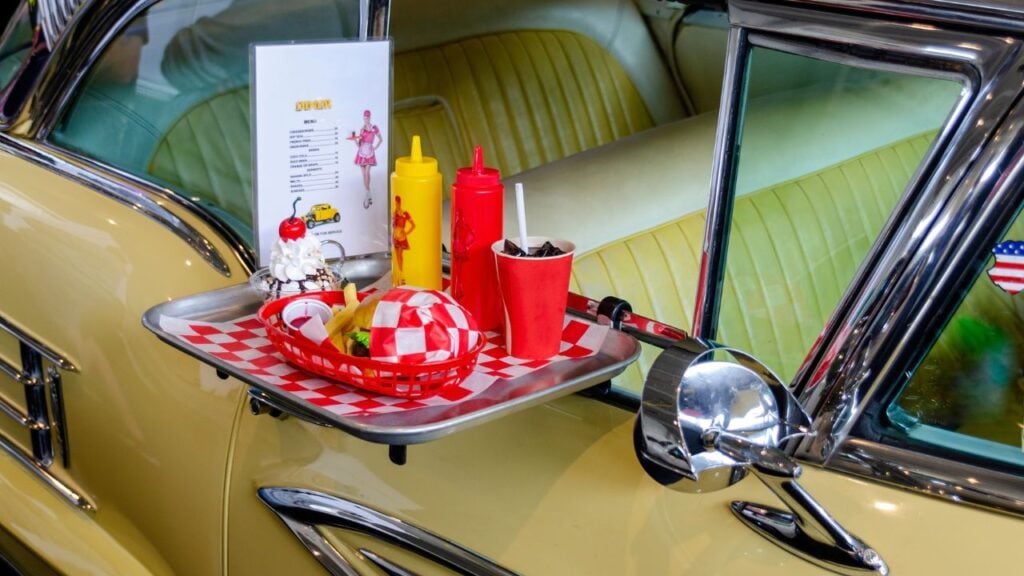
It’s hard to believe now, but there was a time when $1 could buy something meaningful.
Let’s take a trip back to the days when Americans’ pockets didn’t need much cash to bring home something fun, useful, or just plain delicious.
20 Nostalgic Things Americans Could Buy for Under $1 Back in the Day
Remember When Everything Had Color? These 18 Things Definitely Did

There was a time when even the most ordinary things were bursting with color.
But now?
We’ve swapped charm for minimalism, and for some reason, we all agreed to pretend it’s better. Here are some everyday things that used to be colorful but aren’t anymore.
Remember When Everything Had Color? These 18 Things Definitely Did
What Decade Were You Really Meant For?
Whether you’re dreaming of bell-bottoms or soda fountains, our Decade DNA Quiz will match you with the decade that fits your personality. No work deadlines here, just a fun escape when you need it most.
Meet Your Match. Discover Your Decade DNA. (Your Vintage Roots Are Showing)

