
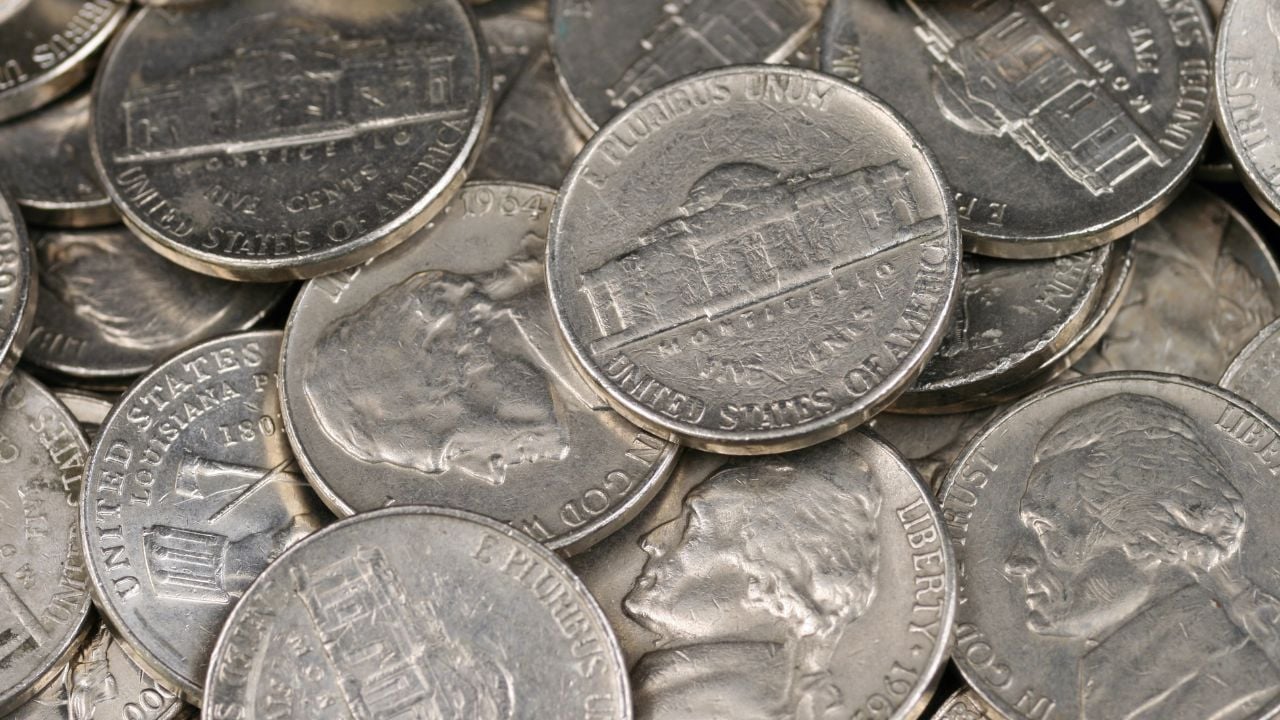
18 Things That Cost a Nickel When Pennsylvania Boomers Were Kids

Gen Z won’t believe half of this list.
Boomers will remember every penny of it.
Back when gas stations gave away drinking glasses and milk showed up on the porch, a nickel was a small fortune to a Pennsylvania kid.
So pull up a chair and remember when five cents could brighten a whole afternoon.
A Bottle of Coca-Cola
The nickel Coke is the stuff of legend, and for good reason.
From the 1880s right up to the late 1950s, an ice-cold 6.5-ounce bottle cost exactly five cents.
Coca-Cola held that price so long it stamped “5¢” on its ads for decades.
During the war, the company even pledged to give a nickel Coke to every soldier overseas.
For a hot afternoon, nothing beat it.
A Candy Bar
A nickel was the magic number at the candy counter.
Hershey bars, Milky Ways, the whole glass case ran five cents apiece through the 1950s.
When costs crept up, Hershey shrank the bar rather than break the nickel price, hoping kids wouldn’t notice.
Eventually, they had to give in.
But for years, one coin bought a full-size chocolate bar, no questions asked.
A Pack of Chewing Gum
Five sticks of Wrigley’s for a nickel kept a kid in spearmint all week.
Juicy Fruit, Doublemint, the green pack, all a nickel.
You could make a single pack last for days, parking a half-chewed piece on the bedpost for later, the way nobody would admit to now.
Gum was cheap, plentiful, and the closest thing to a guaranteed good mood.
A Pack of Baseball Cards
For a nickel, you got a wax pack of Topps cards and a flat slab of pink bubble gum that could crack a tooth.
Kids tore them open hoping for Mantle or Mays, then clipped the doubles to their bike spokes without a second thought.
Those same cards would be worth a fortune today.
The gum was terrible. The thrill was everything.
A Song on the Jukebox
Drop a nickel in the jukebox, punch a letter and a number, and the whole diner heard your pick.
Five cents bought one play of the latest hit, and a quarter could run the soundtrack for your entire milkshake.
The glowing machine in the corner was the heart of every soda shop.
Music on demand, decades before anyone dreamed of streaming.
An Ice Cream Cone
A single scoop on a crisp cone set you back one nickel at the corner shop.
You’d point through the glass, watch them press it down, and hurry outside before it started racing down your hand in the heat.
Vanilla, chocolate, maybe strawberry if you were feeling bold.
No drizzles, no toppings bar, no twelve-dollar sundae.
Just a nickel and a napkin.
A Popsicle
The twin-stick popsicle was a nickel, and it came with a built-in bonus: You could snap it down the middle and share it with a friend.
Cherry, grape, and orange, all dripping faster than you could eat them on a summer sidewalk.
Splitting one was the universal sign of friendship on the block.
Five cents, two sticks, and a purple tongue to prove it.
The Daily Newspaper
Dad’s morning paper landed on the step for a nickel, packed with news, box scores, and the funnies.
Five cents bought the whole world delivered to your door, and the paper got passed around the kitchen table until every section was claimed.
The Sunday edition cost a bit more, but it earned its keep with the color comics.
Imagine that price today.
A Cup of Coffee
The nickel cup of coffee was a fixture of every diner counter and automat in the country.
Five cents bought a steaming mug, and refills were often a friendly afterthought.
Grown-ups lingered over it, traded gossip, and solved the world’s problems one cup at a time.
Folks swore the diner brew tasted better than anything since.
These days, a nickel wouldn’t cover the cream.
A Phone Call From a Pay Phone
Need to call home?
You dropped a nickel in the slot, dialed, and waited for that satisfying clunk.
A local call cost five cents on the corner phone for years, before it crept up to a dime and beyond.
Kids memorized their home number and kept a coin handy for emergencies.
The nickel phone call was a lifeline that fit in your shoe.
A Box of Cracker Jack
“Buy me some peanuts and Cracker Jack” wasn’t just a song lyric.
At the ballpark, a nickel got you a box of the caramel-coated treat.
Half the fun was digging to the bottom for the prize, a tiny toy or paper trinket worth nothing and everything.
You ate around the peanuts to reach it faster.
A nickel’s worth of sticky joy.
A First-Class Stamp
By the mid-1960s, mailing a letter anywhere in the country cost a nickel.
Five cents carried your words across town or across the map, dropped in the corner mailbox with a flick of the wrist.
Folks wrote actual letters then, in cursive, and waited days for a reply without complaint.
The stamp has climbed a long way from a single nickel since.
A Small Bag of Potato Chips
A nickel bought a little wax bag of chips, salty and crisp, perfect alongside a sandwich or straight from the bag.
They came in plain or, if you were lucky, that newfangled barbecue flavor.
The bag was small by today’s standards, but so was everything else, and nobody felt shortchanged.
Five cents and a handful of crunch.
A Game of Pinball
Down at the arcade or the corner drugstore, a nickel bought one game on the pinball machine.
Five cents and quick wrists could keep the ball alive long enough to feel like a champion, with the bells clanging and the lights flashing.
Rack up a free game, and you were the envy of the block.
Cheaper than a movie and twice the bragging rights.
A Glass of Lemonade
The neighborhood lemonade stand ran on nickels, and business boomed on a hot day.
Five cents bought a paper cup of the sweet, watery stuff some kid mixed up on the front lawn, ice optional.
Half the charge was for the lemonade, half for backing a budding entrepreneur next door.
Nobody asked for a receipt, and nobody wanted one.
An Hour at the Parking Meter
Pull up downtown, feed the meter a nickel, and you bought yourself a full hour to shop.
Five cents at the curb let you run your errands without watching the clock or racing back to beat a ticket.
Downtown was the place to be, and parking there was practically a gift.
Try buying sixty minutes for a nickel today.
A Roll of Life Savers
A nickel bought a whole roll of Life Savers, that ring of hard candy you peeled one at a time.
Pep-O-Mint, Wint-O-Green, the five-flavor roll, all for five cents.
You’d offer one to a friend and ration the rest, holding each on your tongue until it wore down to a sliver.
A roll could last a whole road trip, if you had the patience.
A Glazed Donut
The corner bakery sold fresh donuts for a nickel apiece, warm if you timed your visit right.
Five cents got you a glazed ring or a sugar-dusted cake donut, handed over in a square of waxed paper.
Saturday mornings meant a walk to the bakery with a coin in your fist and a watering mouth.
Some mornings, that nickel was the best money you ever spent.
15 Timeless 1950s Favorites Baby Boomers Can’t Forget

For many people, the 1950s conjure images of poodle skirts and soda fountains. Whether you lived through this decade or you’ve only heard stories about it, here’s a trip down memory lane about this period of American culture.
15 Timeless 1950s Favorites American Baby Boomers Can’t Forget
18 Normal Things From the 1960s That Are Banned Today

The 1960s was a different world—one without warning labels or safety rails. Some things that seemed perfectly fine then would raise eyebrows or even get you arrested now.
