
9 Kentucky Foods That Horrify the Rest of the Country

A tourist orders breakfast at a diner outside Covington, and the waitress sets down something the menu just calls “goetta.”
They ask what’s in it.
The waitress just says it’s better if you don’t ask twice.
These are the Kentucky foods that make the rest of the country do a double take.
1. Burgoo
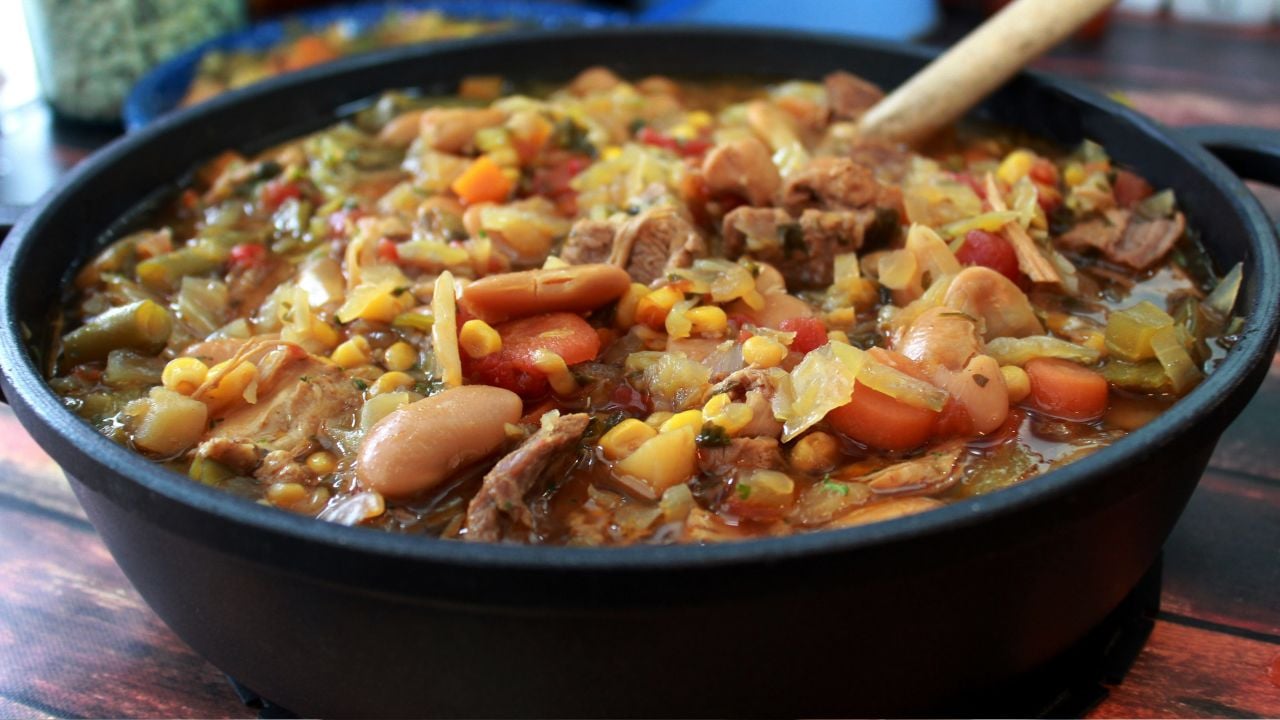
Families across Kentucky built burgoo out of whatever a week of hunting and trapping turned up.
Old recipes called for squirrel, opossum, and just about anything else that showed up in the yard, simmered for hours with corn, lima beans, and tomatoes.
The first record of the word in English dates back to 1743, describing a stew served at outdoor feasts, and nobody has ever settled where the name came from.
Modern versions swap in beef, chicken, and pork, but Owensboro and Lawrenceburg still argue over which town gets to call itself the burgoo capital.
Squirrel stew.
Order a bowl in western Kentucky today, and you probably won’t find any squirrel in it.
2. Lamb Fries
Lamb fries sound like a side of potatoes until somebody in the Bluegrass region explains the menu.
Not potatoes.
They’re breaded, fried lamb testicles, a dish that shows up in ranching country out west and, less predictably, on menus across central Kentucky.
Cooks peel them, slice them thin, roll them in cracker meal, and fry them until they’re unrecognizable, then serve them with a peppery cream gravy on the side.
Most restaurants that still carry the dish keep it off the printed menu, a plate regulars order by name and nobody else asks about twice.
3. Fried Squirrel and Gravy
Squirrel hunting built entire Kentucky dinner tables long before anybody worried what a stranger might think of it.
Families across the state relied on squirrel meat for generations, and hunters still fill the freezer with it every fall.
Cooks dip the meat in buttermilk, coat it twice in seasoned flour, and fry it until the crust turns gold, then serve it with a peppery gravy and a plate of biscuits.
Even the Wall Street Journal ran a travel story on Appalachian food under the headline “Skip the fried-squirrel jokes,” and Kentucky writers are still bringing it up.
No joke to them.
Ask a lifelong Kentucky hunter for their favorite meal, and squirrel and gravy often makes the short list.
4. Country Ham
Country ham turns Kentucky’s humid summers and cool winters into a curing chamber, and the process shows on the outside.
A properly aged ham grows a dusting of white, blue, or green Penicillium mold across its rind, the same mold family used to make penicillin, and the U.S. Department of Agriculture (USDA) confirms it’s a normal part of the cure, not a sign the meat spoiled.
A badge, not a flaw.
Newcomers who spot that mold often assume the whole ham went bad and toss it, when it’s closer to a fine cheese, or a Kentucky cousin of prosciutto.
Slice a ham that’s aged a year or longer thin enough, and Kentucky families eat it raw, no cooking required.
5. Goetta
Goetta comes from the Northern Kentucky side of the Ohio River, shared with Cincinnati just across the water, though most of the rest of the country has never heard the word.
German immigrants stretched their meat with steel-cut oats to feed bigger families in the late 1800s, and the mash of pork, beef, and grain stuck around long after anyone needed to stretch a grocery budget.
Glier’s, the Covington company that turned it into a household name, controls close to 90 percent of the goetta market, and almost all of it stays local.
Ninety percent, one region.
Glier’s own president has admitted that first-timers get a little queasy once somebody describes pork, beef, and oats cooked into one dense loaf, though nobody in Covington blinks at a slice for breakfast.
Psst! How much do you know about Kentucky’s food history? Take our quiz and see if you can ace it.
Quiz
Kentucky Food IQ
Answer these questions on Kentucky’s food history and kitchen quirks. We bet you can’t get them all right. Prove us wrong?
A Louisville pie company trademarked the name “Derby-Pie” in 1968 and has filed more than two dozen lawsuits to defend it since. What do other bakers legally call their walnut-and-chocolate version?
6. Benedictine Spread
Benedictine spread turns up on tea sandwiches across Louisville, and its color throws first-timers every time.
Jennie Benedict, a Louisville caterer, mixed cream cheese with cucumber and onion juice around the turn of the 20th century, then added a couple of drops of green food coloring for effect.
Bright green cream cheese.
One longtime fan told NPR she went store to store on a Florida spring break asking where the Benedictine was, and clerks just stared at her.
Kentucky Derby parties still serve it on crustless white bread, and locals go through jars of it every spring without a second thought.
7. Beer Cheese
Beer cheese started as a Winchester bar snack, and Chef Joe Allman built the recipe from sharp cheddar, a splash of beer, garlic, and horseradish to keep late-1930s customers thirsty for another round.
More beer, more business.
The recipe outlived the Driftwood Inn by decades, and Kentucky cooks kept it alive long after the original bar closed.
Winchester earned official recognition as the dish's birthplace in 2013, and the town still throws an annual festival built entirely around a cheese spread most other states have never tried.
Spread it on a cracker in Kentucky, and nobody warns you how much horseradish is about to hit.
8. Owensboro Mutton Barbecue
Families around Owensboro built a whole barbecue identity on mutton, the meat from a grown sheep, while most of the country only knows lamb.
Welsh immigrants raised sheep for wool along the Ohio River in the 1800s, and once the wool-producing years ended, they smoked the meat low and slow rather than let it go to waste.
The city has run its mutton and burgoo cook-off, now called BBQ and Barrels, every May since 1979.
Frugal, and proud of it.
Order a plate at one of Owensboro's mutton joints, and a first-timer usually asks twice what kind of meat just showed up.
9. Rolled Oysters
Rolled oysters land on Louisville tables despite Kentucky sitting nowhere near an ocean.
Land-locked, and proud of it.
Railroads hauled fresh Chesapeake Bay oysters into the city in the 1800s, and an Italian saloon owner named Phillip Mazzoni started rolling them in cracker meal and frying them for hungry customers.
The oyster usually bursts during frying, so what lands on the plate is mostly golden breading with a briny, moist pocket hiding somewhere inside.
Order one in Louisville today, and a first-timer usually pokes at the golden ball for a while before finding the oyster tucked inside.
They'll ask if they got the good part or missed it entirely.
18 Disturbing Facts You'll Wish You Never Learned
Some facts make you smile, and some make you set your coffee down and stare at the wall for a second.
These aren't gross-out hoaxes or internet rumors, just real, verified facts that rearrange how you see the ordinary things around you.
