
19 Funny Home Habits That Show You’re Turning Into Your Pennsylvanian Parents

Certain home habits and family quirks pass from one household to the next. What starts as gentle reminders from parents often becomes second nature years later.
You may not notice it at first, but the way you fold laundry, stock the pantry, or care for the yard starts to look suspiciously familiar.
These are some signs that you might be turning into your Pennsylvanian parents.
Fussing Over the Thermostat
Parents always seem obsessed with keeping the temperature “just right,” and now many adults find themselves doing the same.
Adjusting the thermostat becomes a daily ritual.
Instead of letting others freely change it, you monitor the settings closely to save money or keep your house comfortable.
It’s a habit that quietly creeps in as responsibilities grow. Energy bills suddenly matter more than they did before.
Before long, you realize you sound exactly like your parents when you remind everyone not to touch the thermostat.
Saving Plastic Bags For Later Use
Plastic shopping bags usually seem like clutter to kids. But suddenly, you start folding and stashing them away for future use.
They line your trash cans, hold your lunches, and carry odds and ends.
What felt unnecessary years ago now feels practical. You see the value in reusing what you already have.
The small collection in a drawer or under the sink grows quickly, and soon you have more than you could possibly use.
It’s a classic parent habit that signals you’re starting to think the same way as Mom and Dad.
Keeping a “Junk Drawer”
Almost every household has one drawer that collects everything with no better place. Batteries, rubber bands, scissors, and old chargers all seem to end up there.
As a child, you may have rolled your eyes at how messy it looked. Now you rely on your own junk drawer more than you want to admit.
It becomes the first place you look when something is missing. Somehow, the random pile always has exactly what you need.
It’s the kind of practical clutter that sneaks into homes as people grow older.
Turning Off Lights in Empty Rooms
Your parents were probably famous for reminding you and your siblings to turn off the lights. Back then, it felt like nagging. Today, it feels like common sense.
Walking through the house switching lights off becomes second nature. You now notice with frustration when someone leaves a room glowing.
The habit isn’t just about saving money; it’s also about not wasting energy.
Realizing you care this much about a few bulbs is a sure sign you’re following in your parents’ footsteps.
Saving Leftovers in Old Containers
Parents were experts at reusing margarine tubs, pickle jars, and takeout containers for leftovers.
Now, many people catch themselves doing the same thing.
Opening the fridge to find soup in a butter container or pasta in a yogurt tub feels oddly familiar.
It’s practical and thrifty, even if it sometimes confuses family members looking for the real contents.
This little quirk shows how resourcefulness at home often passes from one generation to the next.
Caring About Lawn Stripes
Mowing the lawn used to feel like a chore. Now it becomes a weekend ritual, complete with pride in neat lines and even stripes across the yard.
Neighbors notice, and you notice them too, comparing whose grass looks the best.
The habit of parents fussing over yard care is something many remember from childhood, only to adopt it themselves later.
Suddenly, a tidy lawn feels like a personal achievement.
Stocking Up on Paper Towels and Toilet Paper
Parents always seemed to have a backup stash of household basics. Now, you find yourself doing the same, buying extra rolls “just in case.”
Closets fill with multipacks of paper towels, toilet paper, and tissues, ensuring you’ll never run out.
What once seemed like over-preparation now feels like smart planning.
It’s a quiet sign you’re thinking ahead the same way your parents did.
Fixing Things Instead of Replacing Them
Your parents probably rarely threw away a squeaky chair or a leaky faucet. They tinkered, glued, or patched until it worked again.
Now, you may find yourself reaching for tools instead of shopping for new items.
A loose hinge, a wobbly table, or a scuffed shoe all get attention rather than replacement.
This habit shows a shift from convenience to practicality. Repairing feels more satisfying than tossing something out.
It’s a clear marker of becoming more like the generation before you.
Washing and Reusing Foil
Some parents were known for gently washing aluminum foil and setting it aside to use again. At the time, it seemed unnecessary.
Now, for some kids-turned-grownups, it feels smart and resourceful.
The shiny sheets get folded neatly after one meal and brought out again for the next.
It may not save much money, but it creates a sense of not wasting what can still be useful.
Keeping a Stash of Spare Change
Jars or coffee cans filled with coins were a staple in many households. Today, more people find themselves doing the same thing without thinking about it.
It starts with dropping a few quarters or dimes into a container, and soon the habit sticks.
While cash is used less than before, the ritual of collecting coins continues.
The growing pile on the dresser or kitchen counter is a familiar reminder of how parents once saved every bit.
Buying Appliances That Last Forever
You may have once rolled your eyes at your parents keeping the same blender or toaster for decades. Now you find yourself searching for durable appliances instead of trendy ones.
Reliability suddenly matters more than sleek design. Longevity feels like a better investment than constant upgrades.
This shift in priorities mirrors the way earlier generations valued practicality in the home.
The pride of owning something that just keeps working is unmistakably a parent-style habit.
Reminding Others to Close the Door
Parents always seemed obsessed with doors being left open. Whether it was to keep bugs out, save energy, or hold in the air conditioning, they never missed a chance to remind everyone.
Now the habit has passed on. You catch yourself saying the same line when someone forgets to close the door behind them.
It’s not about being picky; it’s about maintaining your home.
That repeated reminder is a sure signal you’re becoming more like your parents every day.
Keeping a “Good Towels” Pile
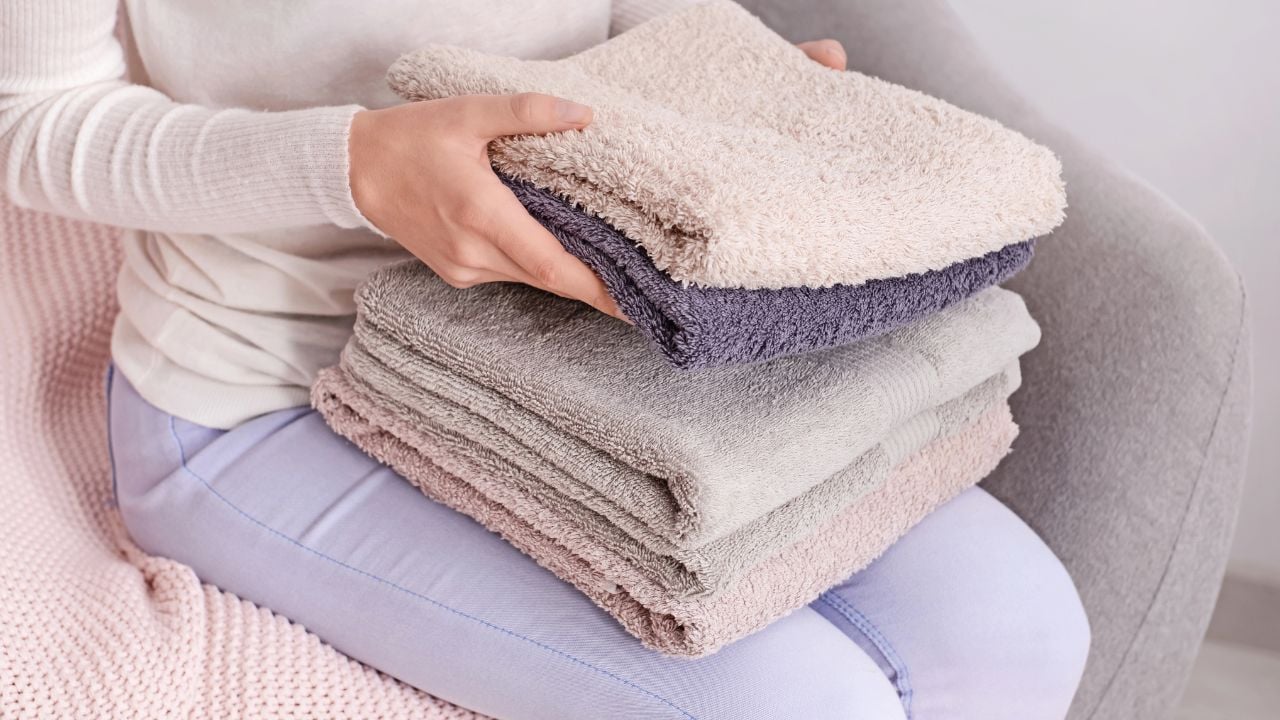
Parents often had a special set of towels reserved for guests, while the older, faded ones were for everyday use. Now you may find yourself doing the same without even realizing it.
Your nicest towels get folded neatly and tucked away, waiting for company. Meanwhile, the rest of the family uses the older ones.
It feels practical, but it also shows the same sense of hospitality your parents valued.
It’s a subtle reminder of how their habits quietly shape the way you run your own home.
Obsessing Over Utility Bills
As a kid, you may have heard constant reminders about not wasting water or electricity. Today, you’re the one eyeing the thermostat and checking lights to keep bills low.
The shock of opening a higher-than-expected bill makes the habit stick quickly.
Soon, you’re reminding others in the house to take shorter showers or to unplug chargers.
What once sounded like nagging now feels like responsibility.
Owning a Cabinet Full of Cleaning Products
Parents always seemed to have a specific spray or solution for every task. Now your cleaning supplies have multiplied in the same way.
There’s a bottle for glass, one for wood, one for counters, and more under the sink.
It feels satisfying to know you’re prepared for any mess, even if half the bottles rarely get used.
This small detail is a clear sign you’re adopting the same thoroughness at home.
Rearranging Furniture For Practicality
Your parents probably placed furniture around the house based on function instead of style, prioritizing comfort and flow over design. Eventually, you find yourself doing the same.
A couch gets moved for a better view of the television, or you place a chair where it’s easiest to reach.
The goal becomes making the space practical, not just pretty.
That same instinct for comfort over looks is a habit straight from your parents’ playbook.
Saving Twist Ties and Rubber Bands
Parents always had a drawer or jar filled with twist ties from bread bags and rubber bands from produce. Now you may find yourself keeping them too.
At first, it seems unnecessary. But then you realize how often they come in handy. A bag of chips, a stack of paper, or a loose cord suddenly needs one.
Before long, there’s a growing pile of them in your kitchen or junk drawer.
It’s the kind of practical habit that sneaks into daily life without you noticing.
Talking to the TV During News or Sports
Your parents may have been famous for commenting at the television as if the anchors or referees could hear them. Now you catch yourself doing it too.
It might be muttering about a headline or shouting advice during a big game.
The habit feels natural even though it has no effect on the outcome.
It’s one of those quirks that quietly reveals how much your home life mirrors the one you grew up in.
Checking the Locks Multiple Times at Night
Your parents probably had a routine of double-checking every door and window before going to bed. Eventually, you realize you’re doing the same thing.
Even if you know everything is already secure, you go back for one more look.
It provides peace of mind, even if it’s not really necessary.
The ritual becomes part of winding down, just like it was in your childhood home.
14 Restrictions American Men Faced in the Early 1900s

One hundred years ago, there were many things men weren’t allowed to do from a legal or societal perspective.
Whether it was about fashion, feelings, or family roles, these are some of the strict rules that governed men a century or more ago.
14 Restrictions American Men Faced in the Early 1900s
19 Historical U.S. Myths That Annoy History Buffs to the Core

If your teacher taught it in history class, it’s normal to assume it’s true. Ask any historian, though, and you might be surprised to learn the stuff of school history lessons is often riddled with inaccuracies.
19 Historical U.S. Myths That Annoy History Buffs to the Core
What Decade Were You Really Meant For?
Whether you’re dreaming of bell-bottoms or soda fountains, our Decade DNA Quiz will match you with the decade that fits your personality. No work deadlines here, just a fun escape when you need it most.
Meet Your Match. Discover Your Decade DNA. (Your Vintage Roots Are Showing)


