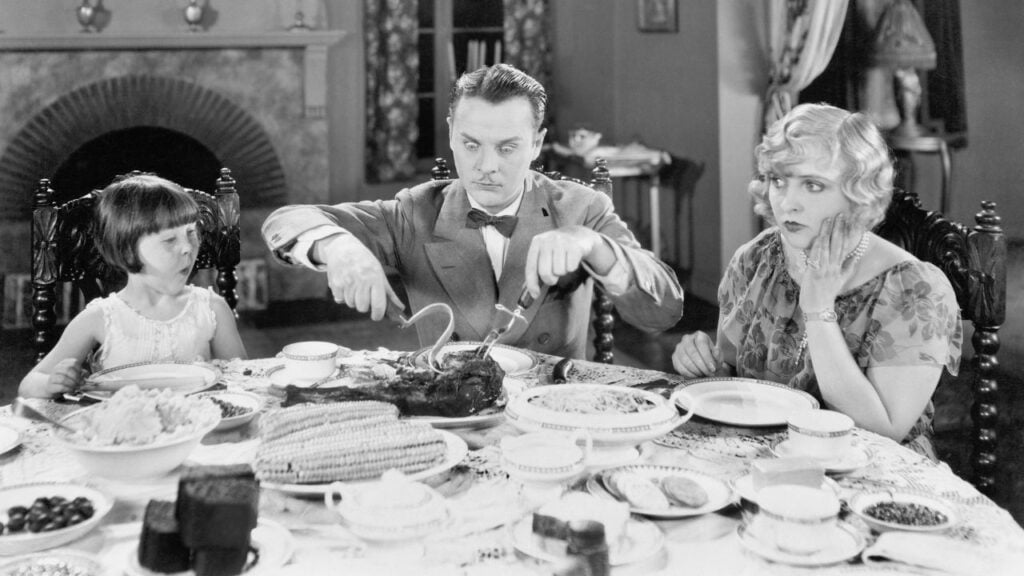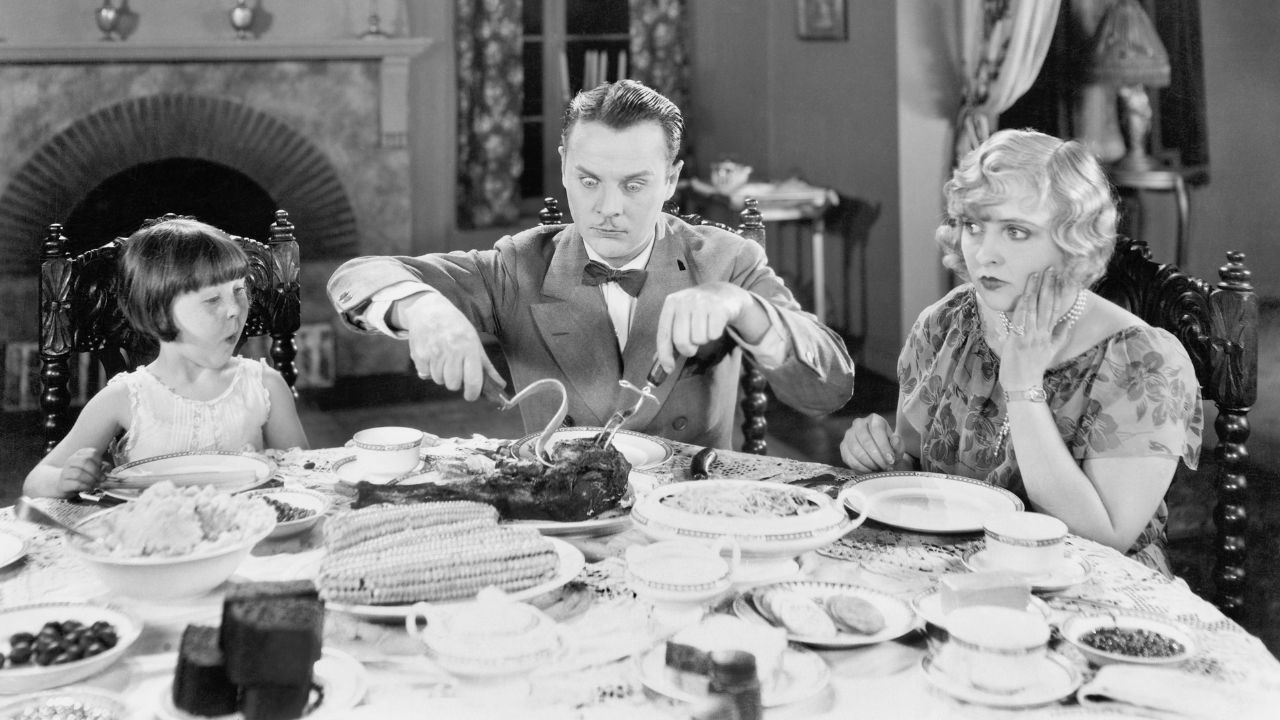
20 1940s Household Rules That Would Never Fly in Oklahoma Today

In 1940s Oklahoma, homes ran on rules. Most of them were unwritten, and all of them were expected.
They made sense back then. But today they’d cause eye-rolls, TikTok rants, and a neighborhood petition.
Here are the household rules of the 1940s that just wouldn’t fly in Oklahoma now.
Children Should Be Seen and Not Heard
In the 1940s, kids didn’t pipe up at the dinner table unless asked. Speaking over adults was unthinkable.
Today, you’d be called “gentle parenting deficient” if you hushed a kid mid-story. But in 1940s kitchens, kids had the same conversational rights as the toaster.
They didn’t view it as cruelty back then. It was just the expectation.
Still, good luck enforcing this in a Starbucks line with a toddler chanting for a cake pop.
Dinner Is on the Table at 5 p.m. Sharp
Forget DoorDash or late-night Chipotle. In the 1940s, dinner was a punctual affair, meat, potatoes, and a vegetable plopped down at 5 p.m.
Work schedules and commuting were different, so families gathered early. Now, with traffic and kids’ sports, eating at 5:00 p.m. feels like an appetizer.
Today’s “family dinner” is more likely Taco Bell in the minivan between soccer and Target runs.
If someone tried serving dinner that early now, most spouses would still be stuck in rush hour.
No Pants for Women in Public
Slacks were scandalous for women in the ’40s unless you were in a factory working for the war effort.
Magazines urged housewives to stay feminine in skirts and dresses, even when scrubbing the floor with Pine-Sol.
Now, Lululemon leggings are practically the national uniform. Imagine telling anyone at a Trader Joe’s that pants are inappropriate.
If this rule came back, half the moms at Costco would stage a protest in yoga pants.
The House Must Always Be Guest-Ready
Surprise company? Not a problem, because a 1940s homemaker was expected to have spotless floors, polished silver, and a cake cooling on the counter.
There was no “sorry for the mess” speech, because “mess” wasn’t supposed to exist.
Today, half of us won’t even open the door if someone knocks unexpectedly. Thank you, Ring camera.
If Martha Stewart standards were still the norm, most of us would be permanently failing.
Dad Gets the Best Chair
Every living room had “Dad’s chair,” usually an overstuffed La-Z-Boy knockoff where he parked after work.
Kids and even the dog knew not to sit there. It was the 1940s equivalent of a reserved parking spot.
Nowadays, any attempt to enforce this would get roasted by family group text memes before dessert.
If Dad tried it now, he’d find his “spot” claimed by the cat, the teenager, or someone playing Mario Kart.
No Talking Back to Adults
In the 1940s, if your teacher, aunt, or neighbor scolded you, you accepted it. Adults had universal authority.
That included random Mrs. Johnson across the street who’d tattle if you stepped on her lawn.
Today, if someone else disciplines your child, you’re one viral Facebook post away from a community drama meltdown.
If this rule still applied, Nextdoor wouldn’t exist because there’d be nothing left to complain about.
Church on Sunday, No Exceptions
Whether you were Methodist, Catholic, or Baptist, Sunday mornings weren’t up for debate.
Even the hungover uncle was dragged into a pew. Missing church wasn’t just skipping, it was a scandal.
Now, Sunday mornings are for Costco runs, kids’ basketball tournaments, or a Starbucks drive-thru run in pajamas.
Try enforcing this now and you’d see a rebellion led by brunch lovers armed with mimosas.
No Snacks Before Dinner
The fridge was sacred real estate. Snacks “ruined your appetite,” so you waited until supper.
There were no Costco tubs of Goldfish or boxes of Capri Suns to raid. If you were hungry, you might get a carrot stick.
These days, kids graze like Netflix auto-play, constantly and without pause.
If a 1940s mom saw a pantry stocked with Doritos, she’d faint right into the Lay’s.
Shoes Always On in the House
Walking around barefoot was considered sloppy, maybe even a little uncivilized.
House slippers were fine, but bare feet? No way.
Today, the no-shoes rule usually goes the opposite direction, people practically issue TSA-level shoe removal at the front door.
Imagine telling a 1940s hostess she needed a shoe rack at the entry. She’d laugh and hand you a broom.
No Complaining About Dinner
Mom made meatloaf with Campbell’s soup? You ate it. No side eye, no TikTok “review,” no debate.
Dinner wasn’t a democracy, it was whatever the cook put on the table.
Compare that to modern families negotiating whether pizza should be Domino’s, Papa John’s, or Costco frozen.
If you refused dinner back then, you got nothing, no alternate nuggets, no mac and cheese rescue.
No Elbows on the Table
Proper table manners were drilled into kids like math facts. Elbows off, napkin in lap, chew quietly.
Messing up got you “the look” that could melt butter.
Now? We’re eating Chipotle burritos hunched over laptops, elbows practically doing pushups on the desk.
Emily Post would lose her mind if she walked into a modern food court.
Always Dress Properly to Leave the House
Women wore dresses, men wore pressed slacks, and kids were polished up before stepping outside.
The idea of heading to the store in sweatpants would have made your grandmother faint.
Today, Walmart shoppers have become a category of memes, proving fashion rules died a long time ago.
If you wore a 1940s outfit to Target now, people would assume you were filming a period drama.
Laundry Day Is Monday, Period
Washing machines were rare, so Monday was officially “wash day.” You scrubbed, wrung, and hung everything.
Neighbors could practically set their calendars by the sight of laundry flapping on the clothesline.
Now, we wash whenever the pile threatens to topple over, sometimes tossing in a Tide Pod at midnight.
If you miss laundry Monday back then, you’d spend the rest of the week in judgment and wrinkles.
Guests Eat First
If company dropped by during dinner, the family gave up their portions so the guests could eat.
Hospitality was king, even if it meant little Johnny went to bed with just a slice of Wonder Bread.
Today, we’re more likely to say, “Sorry, we only have enough Pad Thai for us. Want DoorDash?”
Try offering guests first dibs on Chick-fil-A nuggets today and see how fast your kids revolt.
No TV Until Homework Is Done
For families with early televisions, rules were strict. No screen time until schoolwork was finished.
Of course, “screen time” was limited to three channels, and the remote was a child manually turning the knob.
Now, kids juggle Netflix, TikTok, and Xbox while “kind of” doing math homework.
The 1940s mom would faint at the concept of a “homework app.”
No Air Conditioning Complaints
In most homes, there was no A/C, just fans and open windows. Complaining didn’t get you cool air, it got you told to “sit still.”
Ice cream sandwiches were the real A/C of the 1940s.
Fast-forward to 2025: one broken A/C unit and people are on Yelp writing emotional essays.
If kids had to endure a 1940s summer, popsicle sales would triple overnight.
Every Meal Includes Bread and Butter
It didn’t matter if dinner was spaghetti or roast beef, bread was mandatory, usually Wonder Bread with a slab of butter.
Today, half the population is gluten-free, keto, or debating whether Dave’s Killer Bread counts as healthy.
The 1940s family would have been baffled at the phrase “cauliflower crust pizza.”
Telling them you were “cutting carbs” would sound like wartime rationing.
Respect the Neighbors
Loud music? Unkempt lawn? Hanging laundry on Sunday? All potential neighborhood gossip triggers.
Communities thrived on conformity, not personal expression.
Now, people blast bass from their car at 2 a.m. and fly ten different flags on their lawn without blinking.
If you dared hang tie-dye sheets in 1945, you’d be the talk of the block for weeks.
The Wife Handles All the Housework
Magazines like Good Housekeeping spelled it out: women managed the cleaning, cooking, and childcare.
Husbands mowing the lawn counted as “helping.”
Today, the phrase “mental load” sparks heated Instagram discussions and divided chore charts.
If this rule came back, Target would sell out of wine in 24 hours.
No Phones at the Table, Because There Was One Phone
Dinner conversation wasn’t interrupted by text alerts. The house usually had one rotary phone, bolted to the wall, and you used it sparingly.
Now, if someone doesn’t check their phone at dinner, we wonder if they’re okay.
The idea of FaceTiming during mealtime would have been pure science fiction.
A 1940s family wouldn’t believe we carry cameras, calendars, and games in our pockets.
17 Common-Sense Rules Everyone Knew in the 1940s That No One Follows Today

Common sense wasn’t something you had to study in the 1940s. It was baked right into everyday life, like apple pie or ironing your best shirt for Sunday church.
These are some of those everyday rules everybody knew and too many people forget now.
17 Common-Sense Rules Everyone Knew in the 1940s That No One Follows Today
11 Classic ’40s Tunes Americans Still Adore
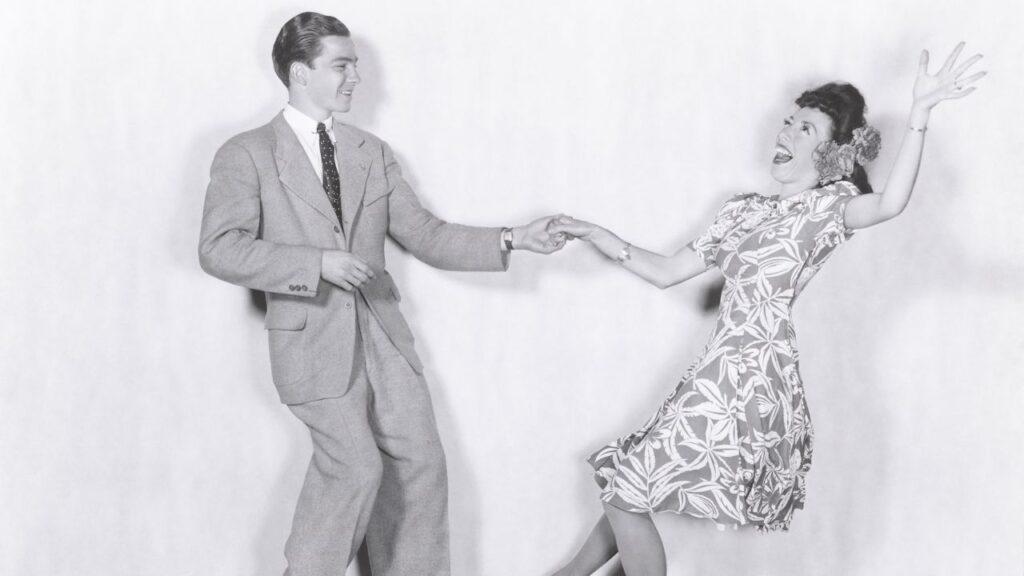
These timeless tracks have kept their charm. And, in our humble opinion, some of them beat what’s on the charts today.
11 Classic ’40s Tunes Americans Still Adore
Think You Belong in a Different Decade?
From big bands to big hair, our playful Decade DNA Quiz reveals which classic American era fits your personality best. It’s fast, fun, and full of vintage flair.
Meet Your Match. Discover Your Decade DNA. (Your Vintage Roots Are Showing)