
20 Everyday Household Products That Pollute More Than Wyomingites Think

Most Wyomingites and Americans across the country think pollution is something that happens out there, like on factory smokestacks or traffic-choked highways.
But it’s often happening right inside our own homes.
From “eco-friendly” wipes that aren’t so friendly to detergent pods that dissolve into microplastics, many of our go-to household staples have dirty little secrets.
Here are the sneaky everyday products doing more damage than we realize, and why it might be time to rethink what we’re spraying, scrubbing, and tossing away.
Air Fresheners That “Clean” the Air by Polluting It
That “Fresh Linen” plug-in? It’s more like a chemical cocktail.
Many commercial air fresheners release volatile organic compounds (VOCs) like formaldehyde and benzene, both linked to headaches and respiratory issues.
Ironically, these sprays and plug-ins don’t clean the air; they mask smells while adding new irritants. The effect is like spraying perfume on a dumpster.
Even “natural” brands can be deceptive, using synthetic fragrances under vague terms like “essential oil blend.”
True fresh air still comes best from a cracked window and a real breeze.
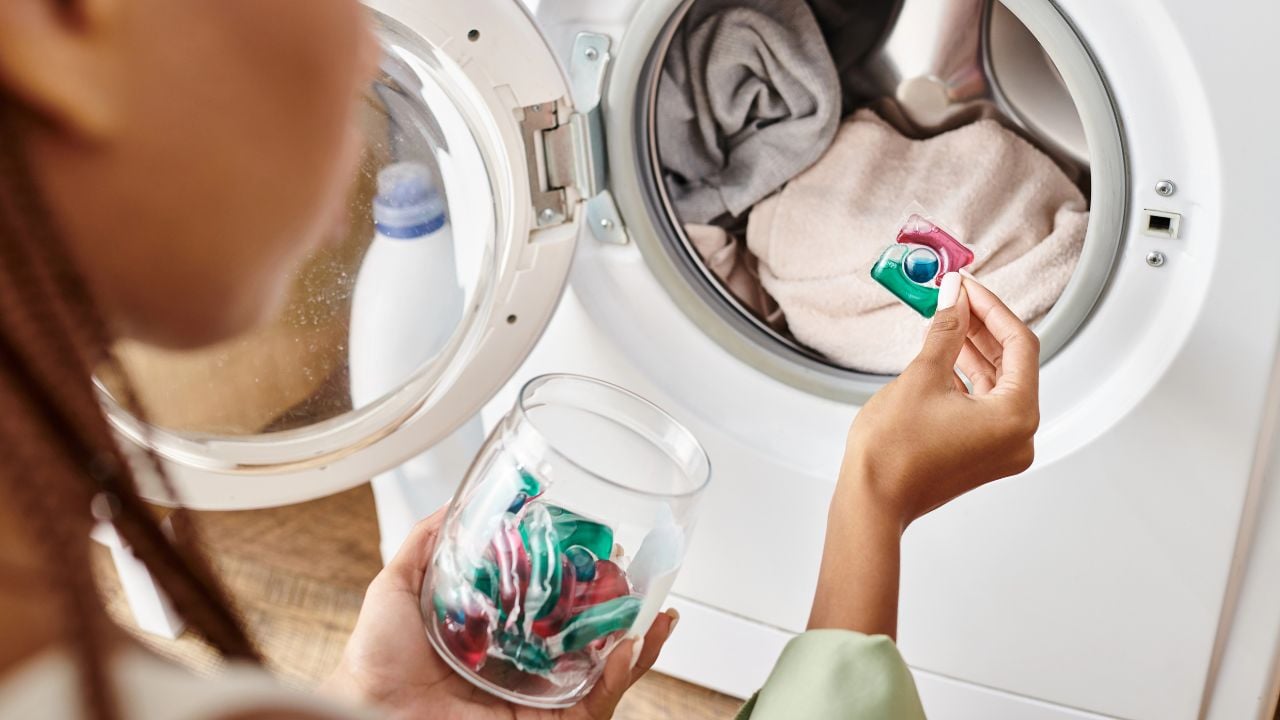
Laundry Detergent Pods That Leave Behind Plastic Ghosts
They look harmless: bright, tidy, and even kind of cute.
But laundry pods are wrapped in polyvinyl alcohol (PVA), a plastic that doesn’t fully break down in water treatment systems.
That means every wash could send microplastics downstream, where they accumulate in oceans and drinking water. Some scientists call PVA “the invisible glitter” of pollution.
Powder detergents or refillable liquid systems skip the plastic problem altogether and usually cost less per load once you ditch the fancy pods.
Disposable Cleaning Wipes That Pretend to Be Paper
Disinfecting wipes became household heroes during the pandemic, but most aren’t biodegradable.
They’re made from polyester blends that behave more like fabric than tissue.
Flushing them clogs sewage systems, tossing them into the trash piles up landfills, and every wipe breaks into microfibers that never truly disappear.
A washable cloth and a vinegar-based spray can do the same job for a fraction of the cost (and none of the guilt).
Dryer Sheets That Coat Clothes, and Lungs
They promise “mountain freshness,” but dryer sheets work by coating fabric with chemicals that reduce static.
Those coatings, often quaternary ammonium compounds, can irritate skin and worsen asthma symptoms.
Worse, the fragrance chemicals they release contribute to indoor air pollution. That “just-laundered” smell is just synthetic compounds wafting into your living room.
Try wool dryer balls instead.
They reduce static naturally, and you can add a few drops of real essential oil if you miss the scent.
Dishwasher Detergent Tabs That Add More Than Shine
Modern dish tabs are engineering marvels: tiny pucks that cut grease, remove stains, and rinse clear.
Unfortunately, the plastic film that keeps them intact is the same PVA problem as laundry pods.
Over millions of loads, those microplastics end up in rivers and food chains. It’s a quiet drip of pollution from every sparkling plate.
Switching to powdered detergent in cardboard boxes (like your parents used) is old-school, but far cleaner.
Synthetic Sponges That Shed Plastic With Every Scrub
Your trusty kitchen sponge isn’t innocent.
Most are made from polyurethane or polyester that sheds microplastics every time you rinse.
Those particles slip through drains, polluting waterways and even returning through seafood. The circle of scrub, rinse, and repeat.
Cellulose or loofah sponges biodegrade naturally, and last surprisingly long once you dry them between uses.
Plastic Trash Bags That Never Really Go Away
The irony of wrapping waste in more waste never quite hits until you picture billions of plastic bags buried underground, intact decades later.
Even “biodegradable” trash bags often need industrial composting facilities to break down properly.
Toss them in a regular landfill, and they’ll mummify your garbage instead.
Compostable bags or old-fashioned liners made from paper can be a step in the right direction, especially for dry waste.
Bleach-Based Cleaners That Corrode More Than Grime
Bleach kills germs, but it’s a harsh pollutant. When flushed or rinsed, chlorine compounds can react with organic matter to create toxic byproducts like chloroform.
Used excessively, it also corrodes plumbing and irritates airways.
In homes without good ventilation, that “clean” smell is actually gas exposure.
Plant-based or peroxide cleaners can disinfect without poisoning your bathroom ecosystem, or your lungs.
Scented Candles That Pollute in Disguise
Scented candles are the cozy illusion of cleanliness. But paraffin wax (a petroleum byproduct) releases soot and benzene when burned.
The stronger the fragrance, the higher the VOC output.
So that “Vanilla Pumpkin Bliss” may be giving your living room the same air quality as a tailpipe.
Soy or beeswax candles are cleaner alternatives, and they burn longer too, so your home still smells like fall without the lung tax.
Fabric Sprays That “Refresh” with Chemical Clouds
Products like Febreze are marketed as odor-eliminating miracles.
In reality, they encapsulate odors rather than neutralize them, while adding a fine mist of synthetic chemicals.
Many include acetaldehyde and ethanol, both respiratory irritants. Spray them indoors with the windows closed, and you’ve made a micro-smog event.
Homemade sprays using vinegar and water actually neutralize smells instead of hiding them behind fake “cotton breeze.”
Glitter That’s Basically Shiny Litter
It’s fun for crafts and party makeup, but glitter is essentially plastic dust.
Once it’s out of the bottle, it’s nearly impossible to remove from the environment (and your carpet).
Marine scientists have even found it inside fish stomachs. Sparkle is forever, but not in a good way.
Plant-based or biodegradable glitter alternatives exist, but the real win might be skipping it altogether.
Toothpaste Tubes That Can’t Be Recycled
Most toothpaste tubes are a blend of plastic and aluminum, which recycling plants can’t separate efficiently.
So even the emptiest tubes end up in landfills.
The annual U.S. total is roughly 400 million tubes. A mountain of minty waste.
Some brands now offer aluminum refill tubes or chewable toothpaste tablets, which drastically cut the plastic load.
Wet Mop Pads That Leave a Trail of Microfibers
Swiffer-style mop pads are convenient, sure. But they’re made of synthetic fibers that don’t biodegrade.
Each mop session sends microplastics down the drain and adds to landfill waste.
Convenience has become the silent tax on sustainability.
Reusable microfiber mop heads or washable cloth pads clean just as well, and they save money after a few uses.
Plastic Bottled Cleaners That Could Easily Be Refilled
It’s hard to break up with your favorite spray bottle brand, but single-use plastic cleaners account for massive packaging waste every year.
The solution is refill systems or concentrated cleaning tablets that dissolve in water. One bottle, endless refills.
It’s cleaner in every sense, environmentally and literally.
Tea Bags That Steep in Plastic
Surprise: many “silky” pyramid tea bags are actually made of nylon or polyethylene terephthalate (PET).
When steeped in hot water, they release billions of microplastic particles.
Even paper bags can be sealed with tiny plastic fibers.
The fix is simple: loose-leaf tea and a metal strainer. More flavor, less plastic soup.
Wet Cat Litter That Turns to Toxic Dust
Clay-based litters often contain silica dust and sodium bentonite, which don’t biodegrade and can harm both cats and waterways.
Every scoop adds to landfills, and manufacturing the clay is environmentally intensive.
Recycled paper, wood, or corn-based litters perform just as well without the eco-guilt (or the dusty mess).
Plastic Coffee Pods That Defy Recycling Promises
Single-serve coffee pods are the modern symbol of convenience waste.
Billions end up in landfills each year, even though many claim to be “recyclable.”
Most recycling facilities can’t handle their small size or mixed materials. The result? One tiny cup equals centuries of plastic.
Reusable pods or traditional drip makers bring back flavor (and dignity) to your morning routine.
Hand Soaps That Lather with Microplastics
Those “exfoliating” beads from the 2010s might be banned in face washes, but they still sneak into some hand soaps and body scrubs under names like “polyethylene.”
Every wash rinses thousands of microbeads into the ocean, where they never break down.
It’s a long-term cost for short-term smoothness.
Natural exfoliants like sugar, salt, or oatmeal get the job done, and dissolve guilt-free.
Aerosol Sprays That Still Harm the Air
Deodorants, hair sprays, and cleaning mists often rely on compressed gases and solvents that release VOCs.
While CFCs were banned decades ago, many replacements still contribute to ground-level ozone formation.
It’s less dramatic, but still damaging.
Pump bottles or solid alternatives can cut emissions without making you skip your morning routine.
Non-Stick Pans That Flake More Than They Should
That trusty Teflon skillet might be releasing per- and polyfluoroalkyl substances (PFAS) when overheated or scratched.
These “forever chemicals” persist in the environment and human bloodstreams.
Even washing chipped non-stick pans sends those flakes into water systems.
Ceramic or cast-iron pans take more care but last for decades, and they won’t outlive humanity in a landfill.
24 Items That Have Alarmingly High Levels of Microplastics
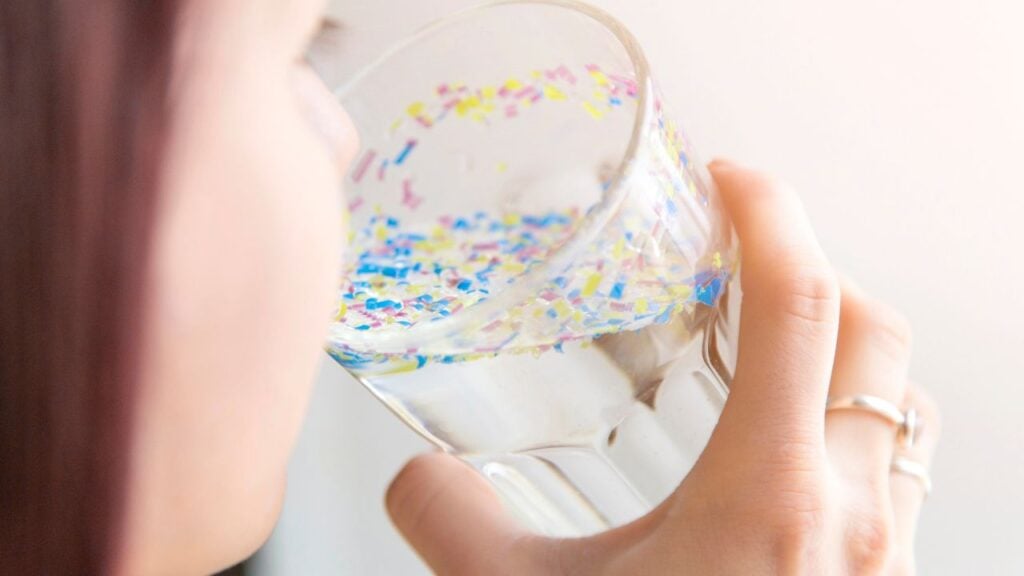
You can’t see, smell, or taste microplastics. But research reveals they’re showing up in our everyday lives.
Here are 24 common items where microplastics hide and why you need to pay attention.
24 Items That Have Alarmingly High Levels of Microplastics
17 Decor Items That’ll Make Your Home Look Cheap

No one wants to hear their home looks cheap. But sometimes, a cheap-looking home doesn’t reflect what you spent on it. It reflects the decor you chose.
17 Decor Items That’ll Make Your Home Look Cheap
Which Classic American Decade Is Totally You?
Take a quick break and discover which classic American era matches your personality and old-school soul. Our Decade DNA Quiz is fast, fun, and full of feel-good retro energy.
Meet Your Match. Discover Your Decade DNA. (Your Vintage Roots Are Showing)

