
20 Extreme Things Hardcore Texas Preppers Do That Shock Everyone Else

Most of us stock snacks for a storm. Hardcore preppers in Texas and across the U.S. stockpile bunkers, ammo, and seeds for decades.
It’s not just about supplies. It’s a full-blown lifestyle of drills, secret stashes, and off-grid living.
What shocks everyone else is that, for them, this isn’t extreme.
And to these preppers, anyone not preparing is the one who seems unusual.
Building Underground Bunkers with Movie-Set Detail
Forget the storm shelter your grandparents had in the backyard. Hardcore preppers build bunkers with multiple levels, filtered air systems, and hidden trapdoors.
Some hire architects to design spaces with fake walls, concealed staircases, and panic rooms.
It’s not unusual to see bunkers that look like they belong in a Hollywood spy thriller.
Water storage, hydroponic gardens, and full bathrooms are standard. Many include solar power systems and backup generators.
Neighbors might think they’re overbuilding a basement. In reality, they’ve created a private subterranean city.
Stockpiling Ammunition by the Crate
Casual gun owners may have a box or two of ammo. As for preppers?
They measure in crates and barrels.
The idea is simple: when supply chains collapse, bullets become both protection and currency.
Some go so far as to label and catalog each caliber like a librarian with a rare book collection.
Special shelving units are built to withstand weight and humidity. Certain hardcore preppers even rotate ammunition stocks, just like canned food.
To outsiders, it’s intimidating. To preppers, it’s just another line item in their inventory spreadsheet.
Raising Guard Animals That Aren’t Dogs
Forget German shepherds, some preppers raise donkeys, geese, or even llamas as alarm systems.
Donkeys are famously aggressive toward predators, and geese will honk like sirens at anything unusual.
Llamas can physically take down an intruder if pushed.
The logic is simple: you can’t sneak up on a barnyard full of living motion detectors.
What seems like a petting zoo to visitors is, in reality, a layered security strategy.
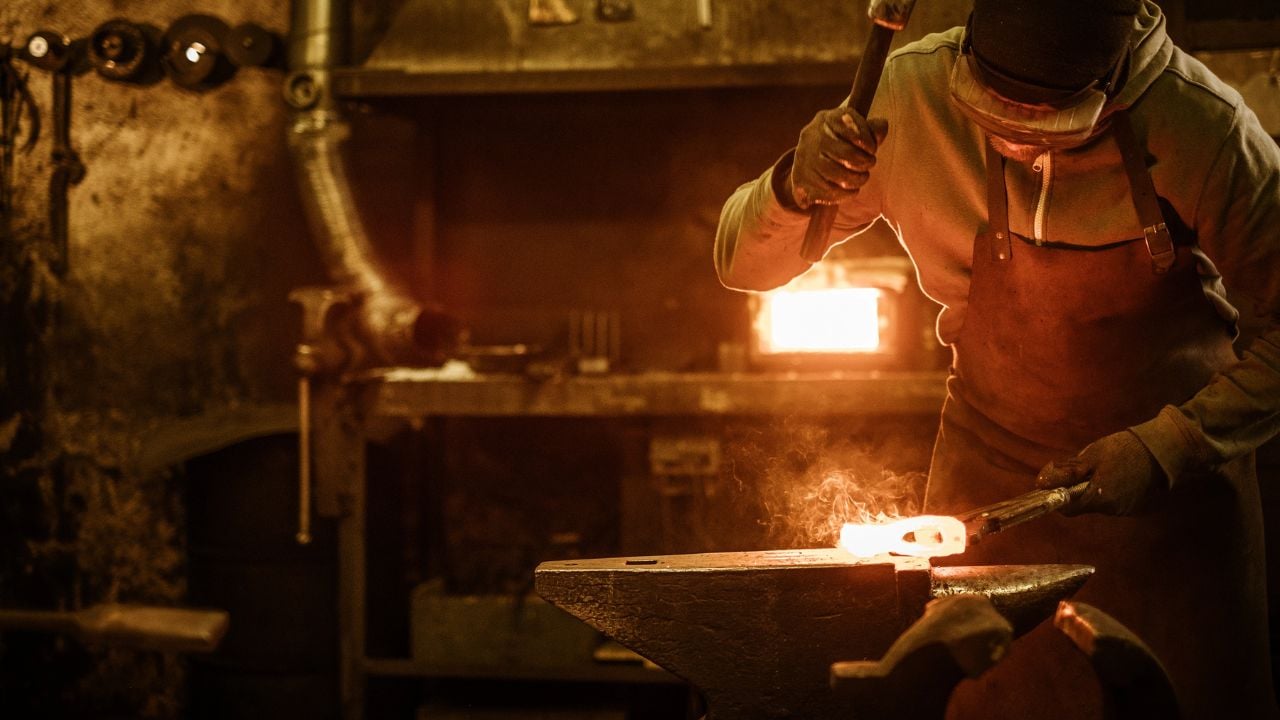
Learning Blacksmithing to Make Their Own Tools
When the hardware store is gone, where will you buy nails? That’s why hardcore preppers take up blacksmithing.
Some have backyard forges where they melt scrap metal into useful tools, hinges, or knife blades.
Others learn leatherworking and carpentry alongside it.
This isn’t hobby crafting, it’s a self-sufficiency skill meant to last generations.
They don’t just buy hammers. They make them. And sometimes, they make the hammer to build the hammer.
Practicing Mock Bug-Out Drills with Family
Hardcore prepping isn’t just about supplies. It’s about rehearsals.
Families schedule weekends to practice bug-out drills. They pack go-bags, pile into the car, and drive to their “safe location” just to test timing.
Some even blindfold their kids and make them navigate by compass.
Others set up scenarios, “the bridge is out,” “cell service is gone,” “grandma sprained her ankle.”
To them, it’s practice. To outsiders, it looks like live-action role-playing with a side of chaos.
Installing Rainwater Harvesting Systems That Rival City Plants
A few barrels under the gutters? Too basic. Hardcore preppers build rainwater catchment systems with multiple filtration stages.
Some add first-flush diverters, UV sterilizers, and gravity-fed pipelines to underground tanks.
The more extreme go as far as monitoring rainfall data and charting output like engineers.
While their neighbors get bottled water from Costco, they’ve created their own private utility company.
Hoarding Prescription Medications Through Unusual Means
A bottle of Tylenol in the cabinet won’t cut it. Serious preppers maintain reserves of antibiotics, painkillers, and even insulin.
Some ask doctors for “travel prescriptions.” Others buy fish antibiotics, which are chemically identical to human versions.
They build spreadsheets to track expiration dates and rotate their pharmaceutical stockpile like grocery items.
It raises eyebrows, but in their eyes, being ready means preparing for medical collapse as well.
Learning Wilderness Medicine and DIY Surgery
For hardcore preppers, Band-Aids aren’t enough. They train in wilderness medicine, suture practice, and even crude surgery.
You’ll find practice mannequins with fake wounds in some prepper garages. Others keep dental kits for pulling teeth.
Some communities hire doctors to teach classes in field medicine, tourniquet use, and infection control.
It shocks outsiders, but preppers want to eliminate any reliance on hospitals.
Buying Land in Remote “Bug-Out” Locations
Preppers often purchase secluded land miles from the nearest gas station.
These bug-out locations are stocked with supplies, cabins, and sometimes even airstrips for small planes.
They keep the sites secret, and they only share coordinates with trusted family members.
Some disguise their cabins as abandoned barns to avoid attention.
To casual onlookers, it looks like odd real estate. To preppers, it’s insurance against chaos.
Collecting Gold and Silver as Everyday Currency
Cash may lose value, but gold and silver are forever, or so hardcore preppers believe.
They store precious metals in safes, bury ingots in PVC pipes, and even keep small silver coins for day-to-day trade.
Some buy junk silver (old quarters and dimes) specifically because they’re recognizable.
It’s a backup currency system ready to activate if the dollar falters.
Installing Off-Grid Energy Systems with Redundancy
Solar panels are nice. Hardcore preppers have solar, wind, and backup generators, all linked with battery storage.
They wire their systems so one failure doesn’t cripple everything. Some even have EMP-shielded backup gear in Faraday cages.
The setup can cost tens of thousands, but it allows them to be fully energy independent.
When the grid goes dark, their lights stay on, and their neighbors definitely notice.
Stockpiling Seeds Like They’re Gold Bars
Food storage isn’t just canned beans. It’s future harvests.
Preppers buy heirloom seeds in vacuum-sealed packs and store them in climate-controlled boxes.
Some keep “seed vaults” underground, labeled by plant type and planting season. Others trade seeds with like-minded groups.
For outsiders, it looks like a gardening obsession. For preppers, it’s generational food security.
Training in Tactical Combat Skills
Some preppers take Krav Maga or firearms training courses to the extreme. They believe physical readiness is just as critical as food storage.
They run weekend combat drills, practice clearing houses, and simulate ambushes. It feels like a private military boot camp for civilians.
Others attend survival schools where instructors teach urban escape, restraint breaking, and stealth movement. These classes often run for days in the wilderness with minimal gear.
While neighbors are jogging at the park, they’re practicing how to move like Navy SEALs.
The mindset is that self-defense cannot be outsourced when society fails.
Keeping Bees for Honey and Medicine
Hardcore preppers view bees as more than hobby insects. They see them as a renewable resource that guarantees food and trade.
Honey never spoils, can treat wounds, and works as barter. It’s a natural antibiotic wrapped in sweetness.
Some preppers invest in multiple hives, rotating production like farmers. They track output per hive to predict future supply.
Their backyard hobby suddenly looks like a micro-factory. What others dismiss as quirky beekeeping is seen as a survival cornerstone.
Making Homemade Fuel from Scratch
While most people panic when gas prices spike, preppers are brewing ethanol or biodiesel in their garages.
It’s messy, but it keeps them mobile when stations run dry.
They gather used cooking oil, filter it, and turn it into usable fuel for generators and vehicles. Nothing goes to waste when independence is the goal.
Some build stills that look like moonshiner rigs, but instead of whiskey, they’re making diesel.
These setups often take trial and error before producing reliable fuel.
Outsiders smell french fries. Preppers smell energy independence. The irony is that disaster planning often smells like dinner.
Caching Supplies in Buried Containers
Hardcore preppers don’t keep all their eggs, or beans, in one basket. Dispersing supplies ensures survival even after theft or fire.
They bury PVC tubes filled with ammo, seeds, tools, and currency in secret locations. Waterproofing and camouflage are essential to avoid discovery.
Some map out caches with coded GPS notes.
Others use landmarks like “the big oak tree near the creek.” Families often memorize these markers like treasure hunters.
Even if raiders loot their main stash, backups wait underground. Redundancy is the golden rule of prepping.
Teaching Kids Advanced Survival Skills Early
While most children learn to ride bikes, prepper kids learn to filter water and start fires. Childhood play often doubles as survival education.
By age 10, some can navigate with a compass, set snares, or identify edible plants. These skills become second nature instead of optional knowledge.
Families treat this as regular education, just like math and reading. The approach ensures that kids never see prepping as strange or extreme.
To outsiders, it feels extreme. But to preppers, it’s passing down essential knowledge. In their world, it’s irresponsible not to.
Building Hidden Trapdoors and Safe Rooms in Houses
Hardcore preppers often remodel homes with secret features. The goal is to create layers of safety within everyday living spaces.
Bookshelves swing open to reveal storage rooms. Trapdoors lead to underground tunnels. Even floorboards are modified for stash compartments.
Carpenters are sometimes hired under confidentiality agreements to create these hidden layers.
Families guard the blueprints like classified documents.
It makes homes feel like escape rooms, but with much higher stakes. Every hidden door is another line of defense.
Rotating Food Supplies Like a Supermarket
Extreme preppers don’t just store food. They manage it. Shelves look more like logistics hubs than kitchen pantries.
Shelves are organized with expiration dates visible, and families often keep detailed ledgers of each item’s shelf life.
Some preppers even run barcode systems with handheld scanners to track inventory.
It’s grocery-store precision brought into the basement.
It’s less of a pantry, more of a small-scale logistics operation. The system ensures nothing goes bad or to waste.
Joining Secretive Prepper Networks
Finally, many hardcore preppers connect through invitation-only groups. These circles provide trust and resources that outsiders can’t access.
These networks exchange tips, swap gear, and even plan collective safe zones. Sometimes they coordinate regional drills to test readiness.
Some groups are regional. Others are nationwide, operating quietly under the radar.
Communication is often done through encrypted apps or radio codes.
For outsiders, it’s invisible. For members, it’s a lifeline of trust and shared strategy. The network itself is as valuable as the gear they store.
17 Life Hacks That Are Harder Than the Non-Hack

Life hacks are supposed to make your life easier, and sometimes they really do. However, the internet is rife with hacks that aren’t actually effective.
17 Life Hacks That Are Harder Than the Non-Hack
Weirdest Laws in Each State

Most Americans are clear on treating thy neighbor as they’d want to be treated to reduce the chance of fines and jail time. But did you know you could be breaking the law by carrying an ice cream cone in your pocket?
These are the weirdest laws in each state, most of which courts (thankfully!) no longer enforce.
Weirdest Laws in Each State That’ll Make You Chuckle
What Decade Were You Really Meant For?
Whether you’re dreaming of bell-bottoms or soda fountains, our Decade DNA Quiz will match you with the decade that fits your personality. No work deadlines here, just a fun escape when you need it most.
Meet Your Match. Discover Your Decade DNA. (Your Vintage Roots Are Showing)

