

20 Microplastic Myths Californians Still Believe (and What Scientists Actually Say)

Microplastics have become part of daily life in California, whether we notice them or not. They’re in our tap water, our food, and even the air we breathe.
Yet across the country, plenty of myths still get tossed around, some comforting, some alarming, and most far from the truth.
Here’s a look at what many Californians believe about microplastics, and what scientists actually say.
Microplastics Only Come From the Ocean
When most people think about microplastics, they picture sea turtles tangled in bags or floating bottles in the Pacific Garbage Patch.
The ocean certainly plays a role, but that’s far from the full picture.
Scientists have found microplastics in soil, in the air, and in freshwater lakes like Lake Tahoe. Rain and wind can carry them hundreds of miles inland.
Even something as simple as tire dust from highway driving ends up as airborne microplastic pollution.
So no, you don’t need to live near a coast to be exposed.
Bottled Water Is Safer Than Tap
Grab a Poland Spring or Smartwater, and you might feel like you’re making a “cleaner” choice. But research has repeatedly shown bottled water often contains more microplastics than tap.
In fact, a 2018 study tested 259 bottles from brands like Aquafina, Nestlé Pure Life, and Dasani.
Over 90% had microplastic contamination.
The plastics come from the bottles themselves, along with the caps. That means every refreshing sip may come with a sprinkle of polymers.
Filtering Water Removes All Microplastics
Brita filter in the fridge? Great for taste, not a silver bullet for microplastics.
Standard carbon filters reduce some particles, but many slip right through.
Scientists say you need advanced systems like reverse osmosis or ultrafiltration to significantly cut down levels. Those are pricey and require maintenance.
So while filtering helps, it doesn’t magically turn your glass into a microplastic-free zone.
Only Cheap Plastics Shed Microplastics
You’d think higher-end plastics, like your sleek Hydro Flask lid or reusable IKEA containers, would be safer.
But microplastic shedding isn’t about price tags.
Any plastic product, whether budget or designer, can release fragments when scratched, heated, or degraded over time.
That includes BPA-free or “eco-friendly” plastic options. A green sticker doesn’t mean zero shedding.
Clothing Fibers Don’t Count
“Sure, bottles and bags break down, but clothes? That’s fabric, not plastic.”
That’s a common belief, but it’s dead wrong.
Synthetic fabrics like polyester, nylon, and spandex shed microfibers with every wash. Those fibers flow into wastewater, eventually reaching rivers and oceans.
Washing machine filters and laundry bags can cut back on shedding, but they don’t eliminate it.
Yes, even your favorite pair of Lululemon leggings is part of the story.
Microplastics Are Too Small to Affect Us
Tiny doesn’t mean harmless.
Researchers have detected microplastics in human blood, lungs, and even placental tissue.
These particles can trigger inflammation, oxidative stress, and potentially disrupt hormones.
The science is still evolving, but dismissing them as “too small to matter” ignores mounting evidence.
Glass and Metal Containers Solve Everything
Switching from plastic to glass mason jars or Yeti tumblers is a great move for reducing exposure.
But it’s not a cure-all.
Food and drinks are still exposed to microplastics during processing, packaging, and shipping.
Even sea salt and honey have tested positive for microplastic contamination.
Glass and stainless steel help lower risk, but they can’t erase the problem entirely.
Microplastics Only Show Up in Seafood
Yes, shellfish and fish often contain microplastics because of ocean pollution.
But they’re not the only source.
Studies have found them in fruits, vegetables, table sugar, and even beer. Microplastics have also been detected in chicken, beef, and dairy products.
It’s not about eating sushi, it’s about the global spread of plastic particles.
Boiling Food Gets Rid of Them
Some people believe cooking or boiling water destroys microplastics, as if heat melts them away.
Unfortunately, plastics don’t vanish in a pot of boiling pasta water.
In fact, cooking in plastic containers, like microwaving leftovers in takeout boxes, may release even more microplastics.
So while heat kills bacteria, it doesn’t do the same for polymer fragments.
Organic Food Is Microplastic-Free
Buying organic helps you avoid pesticides, but not microplastics.
Agricultural soils worldwide are now contaminated, thanks to plastic mulch films, sewage sludge fertilizers, and airborne dust.
Researchers have detected microplastics in organic apples, carrots, and grains. The label doesn’t shield food from plastic pollution.
That doesn’t mean organic isn’t worth buying, it just means it’s not a plastic shield.
If You Can’t See It, It’s Not There
The invisibility of microplastics makes people underestimate them.
Just because your glass of tap water looks crystal-clear doesn’t mean it’s free of contamination.
Most microplastics are smaller than a sesame seed, often microscopic. That means they’re impossible to spot without lab equipment.
In other words, absence of evidence isn’t evidence of absence.
Recycled Plastics Don’t Shed
Recycling helps reduce waste, but it doesn’t make plastics immortal.
Recycled plastics can still shed microplastics during use.
In some cases, they may even release more because the polymer chains have been weakened during reprocessing.
So while recycling is great for sustainability, it doesn’t erase microplastic risks.
Microplastics Are Only a Problem for Future Generations
It’s easy to frame microplastics as a “kids and grandkids” issue. But the truth?
They’re already in us today.
Studies confirm microplastics in adult bodies, and possible links to respiratory, digestive, and reproductive health concerns.
This isn’t a “someday” problem, it’s a right-now problem.
Plastic-Free Packaging Guarantees Safety
That carton labeled “plastic-free” or that paper straw from Starbucks may seem like a total win.
But manufacturing, adhesives, and coatings often still involve polymers.
Paper cups, for example, are lined with thin plastic films to prevent leaks. And biodegradable packaging can break down into, you guessed it, microplastics.
Marketing claims don’t always match lab results.
Only Developing Countries Face Microplastic Pollution
Some Americans assume pollution is a “somewhere else” issue, tied to waste management abroad. But microplastics don’t care about borders.
The U.S. has one of the highest per-capita rates of plastic consumption.
That means our soils, waterways, and urban air are all part of the global microplastic map.
In fact, American tap water has tested positive for microplastics at higher rates than some countries with less industrial infrastructure.
You Can “Detox” Microplastics With Cleanses
If you’ve seen wellness influencers pushing pricey detox teas or colon cleanses for “plastic removal,” don’t fall for it.
The human body can excrete some microplastics through stool, but there’s no miracle drink that flushes them out.
Scientists stress that prevention, reducing exposure in the first place, is more effective than unproven detox products.
Microplastics Break Down Completely Over Time
Plastics don’t biodegrade like apple cores or paper bags. They just keep fragmenting into smaller and smaller particles.
Even “biodegradable” plastics often turn into microplastics under real-world conditions.
Complete breakdown takes centuries, if it ever happens at all.
So those tiny pieces never really disappear, they just get harder to track.
Wearing a Mask Means You’re Protected
Some believe cloth or surgical masks filter out airborne microplastics.
But most aren’t designed to capture particles that tiny.
N95 masks provide better filtration, but even then, they aren’t microplastic shields.
Reducing exposure indoors may involve air purifiers with HEPA filters, not just masks.
All Plastic Alternatives Are Safer
Bamboo cups, compostable utensils, or bioplastics often sound like safer swaps.
But studies show they can leach chemicals, too.
Some plant-based plastics still release microplastics when exposed to heat or wear.
So while alternatives are helpful, they’re not always as pure as advertised.
Individual Action Doesn’t Matter
With a problem this global, it’s easy to feel powerless. But small steps still add up.
Choosing stainless steel bottles, washing synthetics less often, and supporting policy changes all reduce demand for disposable plastics.
Scientists emphasize that collective change is crucial, but your individual habits are part of the puzzle.
24 Items That Have Alarmingly High Levels of Microplastics
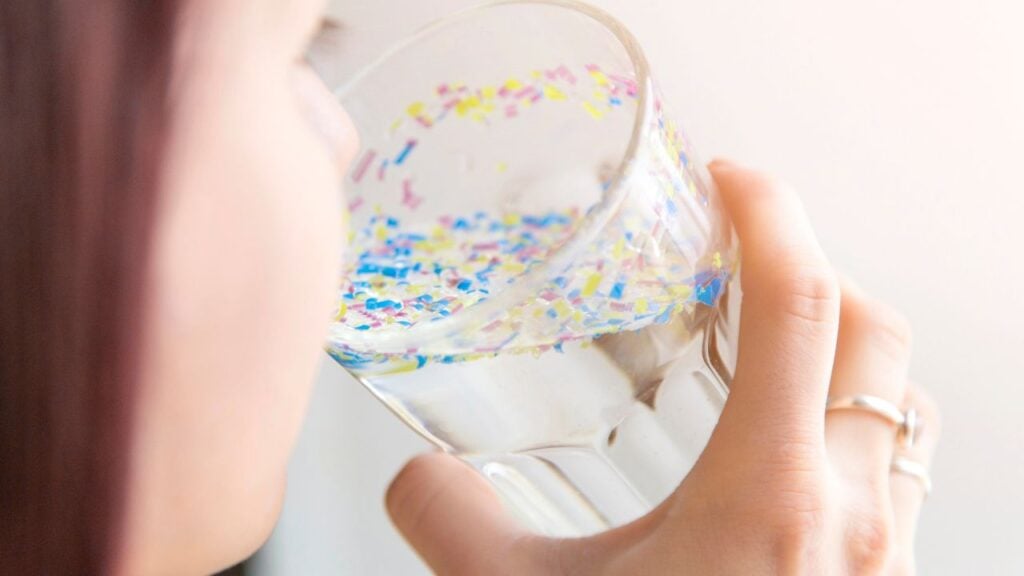
You can’t see, smell, or taste microplastics. But research reveals they’re showing up in our everyday lives.
Here are 24 common items where microplastics hide and why you need to pay attention.
24 Items That Have Alarmingly High Levels of Microplastics
17 Decor Items That’ll Make Your Home Look Cheap

No one wants to hear their home looks cheap. But sometimes, a cheap-looking home doesn’t reflect what you spent on it. It reflects the decor you chose.
17 Decor Items That’ll Make Your Home Look Cheap
Which Classic American Decade Is Totally You?
Take a quick break and discover which classic American era matches your personality and old-school soul. Our Decade DNA Quiz is fast, fun, and full of feel-good retro energy.
Meet Your Match. Discover Your Decade DNA. (Your Vintage Roots Are Showing)

