

20 Mistakes Arkansans Make When Buying Things on Amazon

Amazon makes shopping almost too easy. With a few clicks, packages show up at the door before most Arkansans have time to rethink their choices.
The convenience is unmatched, but it also leads to mistakes that shoppers don’t always realize.
From overlooking reviews to falling for impulse buys, the little errors add up.
Trusting Photos Without Reading Descriptions
Product photos can make items on Amazon look bigger, sturdier, and higher quality than they really are. Many buyers stop at the images and hit “buy now.”
The problem is that photos rarely tell the whole story. Sizes, materials, and features are often buried in the fine print.
Ignoring details can leave shoppers with items much smaller or cheaper than expected.
Reading the description closely prevents surprises that lead to regret.
Falling for “Too Good to Be True” Prices
Amazon is full of deals, but not all of them are real bargains. Some sellers list products at rock-bottom prices that seem irresistible.
These items often arrive late, break quickly, or don’t arrive at all. Buyers end up spending more on replacements.
Scammers use low prices to lure in people who aren’t paying attention. It’s one of the easiest ways shoppers lose money.
If the price seems unreal, there’s usually a catch.
Ignoring Customer Reviews
Shoppers often rush to buy without checking what others have said. Reviews can reveal problems that the product description hides.
Skipping this step leads to disappointment when the item doesn’t match expectations. Negative reviews often highlight flaws that photos don’t show.
Even quick scanning can make a difference. Looking for repeated complaints gives a clearer picture than relying on the star rating alone.
Reviews may not be perfect, but they’re one of the best tools Amazon shoppers have.
Forgetting to Check Return Policies
Not every product on Amazon has the same return policy. Many shoppers assume they can send anything back for free.
Some items come with restocking fees, while others can’t be returned at all. Buyers often don’t realize until it’s too late.
This mistake creates frustration when something doesn’t fit or work as promised.
Checking the return details before buying saves headaches later.
Buying From Unknown Sellers Without Research
Amazon’s marketplace includes countless third-party sellers. Many are reliable, but not all can be trusted.
Shoppers who don’t check seller ratings risk poor service, fake products, or long shipping delays. The listing may look professional, but the seller’s track record tells the real story.
A quick glance at feedback often reveals whether the seller is worth trusting. Ignoring it puts buyers at risk.
Doing this simple check prevents many of the most common Amazon shopping regrets.
Adding Too Many Impulse Buys to the Cart
Amazon makes it easy to add items with one click. Shoppers often toss in extras they never planned to buy.
These impulse buys may seem harmless at first, but they add up quickly. Small gadgets, snacks, or accessories pile on to the total.
Over time, the habit quietly drains budgets. Many people later wonder why their order was so expensive.
Taking a pause before checking out helps cut down on unnecessary spending.
Forgetting to Compare Prices Outside Amazon
Many buyers assume Amazon always has the lowest price. That belief makes them skip comparison shopping.
Retailers and even brand websites sometimes offer the same products for less. Discounts or free shipping can make the difference.
By skipping this step, shoppers pay more than they should. Convenience takes priority over savings.
A quick search outside Amazon often reveals better deals.
Overlooking Shipping Costs on Non-Prime Items
Prime members are used to free shipping, but not everything qualifies. Many shoppers don’t notice until checkout.
Third-party sellers often add high shipping fees that erase the savings of a low price. Sometimes the shipping costs more than the product.
This mistake leaves people paying far more than they expected. It turns what looked like a deal into a bad buy.
Checking shipping before placing an order avoids sticker shock.
Relying on “Frequently Bought Together” Suggestions
Amazon’s recommendation system is designed to sell more, not necessarily to save shoppers money. The “frequently bought together” section tempts people into extras.
Shoppers often grab bundles without checking if they need the additional items. Many sit unused once they arrive.
The add-ons sometimes cost more than buying them separately. It feels like a deal, but it isn’t always.
A careful look at what’s really needed prevents wasted purchases.
Not Watching Out for Counterfeit Products
Amazon has worked to crack down on counterfeit items, but they still appear in the marketplace. Shoppers who don’t check carefully risk buying fakes.
These products often look convincing in photos but fall apart quickly. Electronics, shoes, and beauty products are especially risky.
Counterfeit goods not only waste money but can also be unsafe. Poor materials and shoddy construction create hazards.
Checking seller ratings and verified purchase reviews reduces the risk of buying knock-offs.
Ignoring the Fine Print on Product Sizes
Many shoppers glance at photos and assume they know the size of what they’re ordering. Amazon listings often make items look much larger than they are.
The surprise comes when a tiny package shows up instead of what was expected. It happens often with storage bins, furniture, or kitchen supplies.
Reading dimensions carefully takes just a moment but prevents these disappointments. Size details are almost always tucked into the description.
Skipping that step is one of the easiest mistakes to avoid.
Forgetting to Check Warranty Information
Not all products on Amazon come with manufacturer warranties. Many buyers assume protection is automatically included.
The reality is that third-party sellers may not honor brand warranties at all. Some products are sold as “no warranty” items.
Without coverage, replacements or repairs become the buyer’s responsibility. That turns a good deal into a costly mistake.
Checking warranty details upfront ensures the product is worth the investment.
Buying Knock-Off Accessories for Electronics
Cheap chargers, cables, or batteries often tempt buyers with low prices. They may look identical to brand-name versions at first glance.
The problem is that many of these accessories wear out quickly or damage the devices they connect to. Safety issues like overheating are common.
Shoppers often regret saving a few dollars when their gadgets stop working properly.
Sticking with trusted brands helps protect expensive electronics.
Falling Into Subscribe-and-Save Traps
Amazon’s Subscribe & Save option looks like an easy way to cut costs. But many shoppers sign up without considering long-term use.
They end up with deliveries of items they don’t need as often as expected. Pantries fill with duplicates, and money goes to waste.
Canceling subscriptions is possible, but people often forget until it’s too late.
Careful planning before clicking “subscribe” saves space and money.
Overlooking Delivery Time Estimates
Not every product on Amazon arrives in two days. Many buyers assume fast shipping applies to everything.
Items sold by third-party sellers sometimes take weeks to arrive. Shoppers don’t realize until they check the delivery date after purchase.
This mistake leads to frustration when something needed quickly doesn’t show up on time.
Looking at shipping timelines avoids unnecessary waiting.
Forgetting to Use Price Tracking Tools
Amazon prices change often, sometimes multiple times a day. Many buyers pay more than they need to by purchasing at the wrong time.
Price-tracking tools and browser extensions can show when an item is likely to drop in cost. Skipping them means missing out on savings.
Impatient shoppers often click “buy now” without realizing the price was lower just yesterday.
Waiting a little can make a big difference on bigger purchases.
Not Double-Checking Auto-Filled Addresses
With one-click shopping, addresses sometimes default to old or incorrect ones. Buyers often don’t notice until the package is already shipped.
This mistake creates delays, missed deliveries, or even lost items. Fixing it afterward is rarely convenient.
A quick glance at the address before final checkout avoids the hassle.
It’s one of the simplest steps that too many people forget.
Relying Too Heavily on Star Ratings
Star ratings are helpful, but they don’t tell the whole story. Some products carry high averages with only a handful of reviews.
Other times, fake or incentivized ratings skew the results. Shoppers who look only at the stars miss the real details.
Reading the actual comments provides far more useful insight. Star ratings should guide, not decide, the purchase.
Trusting them alone is a mistake many buyers regret.
Buying Without Checking Compatibility
From phone cases to printer ink, compatibility is easy to overlook. Shoppers sometimes assume that if it looks right, it will fit.
The wrong size or model number often leads to frustration. Sending items back takes time and energy.
Sellers often list compatibility clearly, but buyers skim past the details.
Double-checking makes the difference between a useful purchase and a wasted one.
Overlooking the “Used” or “Renewed” Label
Some Amazon listings default to used or renewed items without shoppers noticing. Buyers expect something brand new but receive a refurbished product instead.
The condition is usually described in fine print, not the main title. Many people miss it until the box arrives.
While some renewed products work well, others show wear quickly. Buyers feel cheated when expectations aren’t met.
A quick scan of the condition label avoids these surprises.
12 Items You’re Better Off Buying at Dollar Tree Than Walmart

Everyone loves a good deal, right? But sometimes, people think the cheapest option is always at Walmart—until they step into a Dollar Tree.
Sure, you won’t find fancy brands or the latest electronics. But for everyday stuff, these items from Dollar Tree can save you a ton of money.
12 Items You’re Better Off Buying at Dollar Tree Than Walmart
12 Precautions to Take When Shopping at Dollar Tree
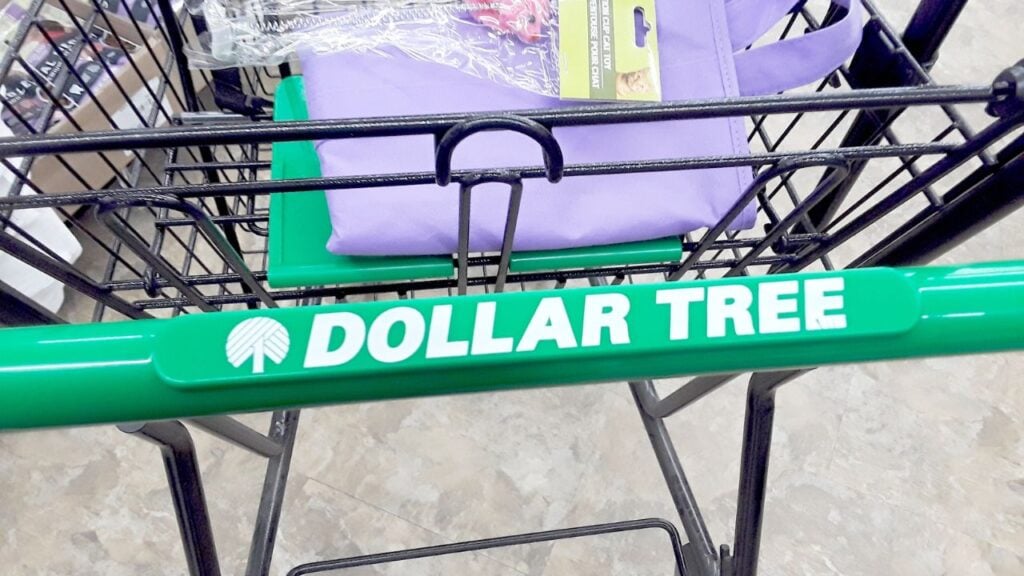
It’s hard not to get a little giddy at Dollar Tree stores. Everything looks like a deal, and it’s so easy to think, “Oh, it’s only a dollar!” (Well, $1.25 now, but who’s counting?)
But from sneaky expiration dates to breakable gadgets, here’s how to shop smarter at Dollar Tree.
12 Precautions to Take When Shopping at Dollar Tree
What Decade Were You Really Meant For?
Whether you’re dreaming of bell-bottoms or soda fountains, our Decade DNA Quiz will match you with the decade that fits your personality. No work deadlines here, just a fun escape when you need it most.
Meet Your Match. Discover Your Decade DNA. (Your Vintage Roots Are Showing)


