20 Things That Made Alabama Homes Feel Unique Before Everything Looked the Same

Drive through any small town in Alabama, and you’ll spot houses that stand out. They have details you don’t see much anymore, from custom woodwork to colorful front doors.
These touches gave every home its own personality instead of following a set formula.
Here’s what made Alabama houses feel unique pre-Instagram and Pinterest.
Wraparound Porches
Wraparound porches were more than a design choice back in the day. They created a welcoming space where neighbors could chat and kids could play.
These porches offered multiple views of the street and yard, making them both functional and beautiful.
They also encouraged a slower pace of life, where sitting outside for an hour felt normal.
Today, large porches are less common, but they remain a symbol of warmth and hospitality.
Stained-Glass Windows
Stained-glass windows brought light into a home in the most colorful way. Each piece felt like a work of art that changed with the sun.
Some designs were abstract, while others showed flowers, birds, or geometric patterns.
They gave each home a signature look, impossible to replicate exactly anywhere else.
Even a single stained-glass panel could transform a plain window into something special.
Built-In Bookcases and Cabinets
Built-ins were a practical and stylish way to make the most of a room. They provided storage without taking up extra floor space.
Many were custom-made to fit perfectly in the space, which made each one unique.
They also became focal points, often framing fireplaces or entryways.
Today, mass-produced furniture has replaced many built-ins, but their charm remains unmatched.
Unique Rooflines
Older homes often had rooflines with peaks, curves, or unusual angles. These designs made each house easy to spot from a distance.
They also showed off the skill and creativity of the builders.
No two rooflines were exactly the same, which gave neighborhoods a more interesting look.
Modern construction tends to favor simple shapes, but the variety once seen made streets feel alive.
Decorative Woodwork That Showed Craftsmanship
Hand-carved wood details around doors, windows, and staircases were once a sign of pride. Each design was unique to the home and often reflected the builder’s personal style.
These details added texture and depth to spaces that might otherwise feel plain.
They were also built to last, often surviving decades without losing their beauty.
Mass production has made this kind of custom work rare, but it remains one of the most memorable features of older homes.
Bold Exterior Colors
Before neutral tones became the standard, many homes sported vibrant colors. Bright blues, deep greens, and sunny yellows made each house stand out.
The colors often reflected regional influences or the homeowner’s personal taste.
They gave neighborhoods a lively and cheerful appearance, making it easy to spot a specific home from down the street.
While today’s palettes tend to be more subdued, those bold colors are still fondly remembered.
Chimneys with Distinctive Designs
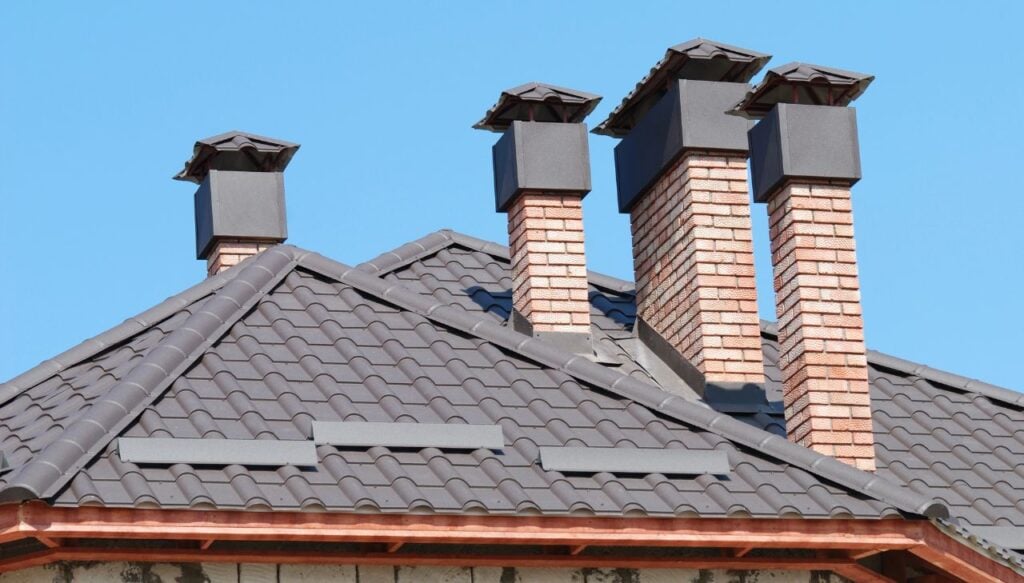
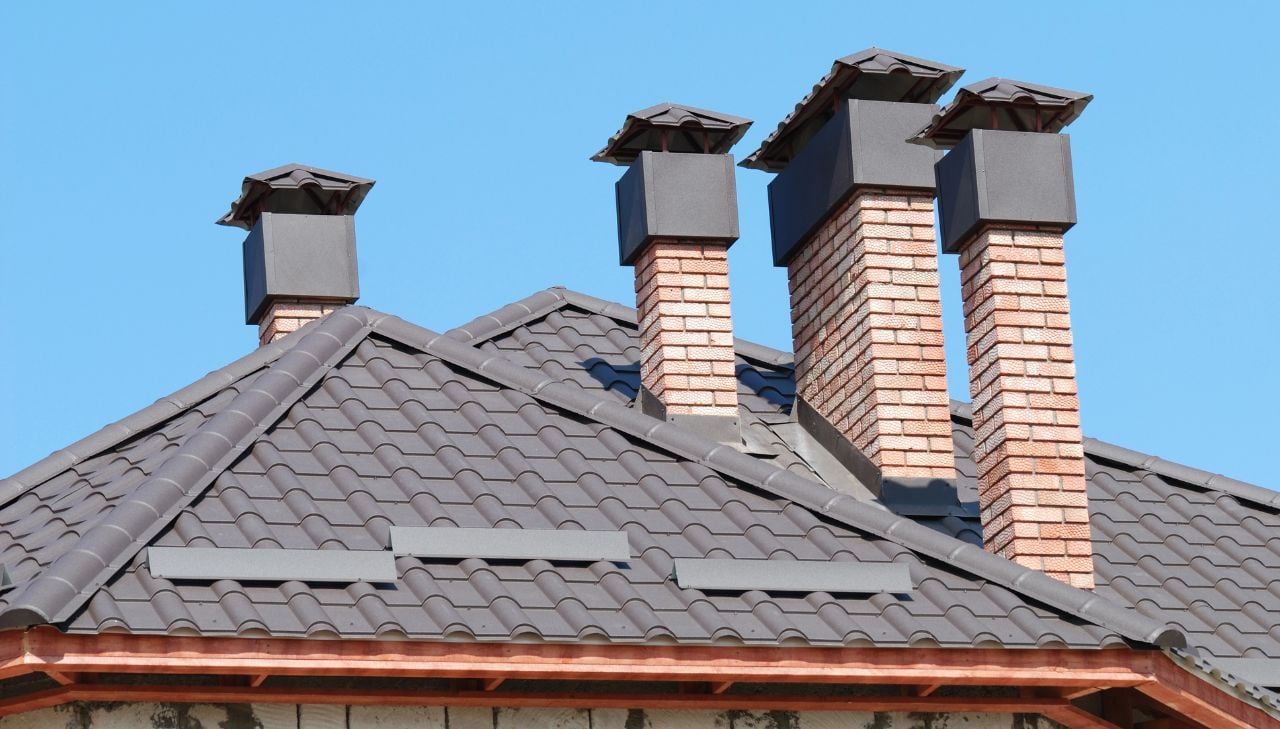
Chimneys were once more than just functional. Many featured unique brick patterns, stonework, or decorative caps.
They added vertical interest to a home’s exterior and sometimes became a signature feature.
The craftsmanship involved meant no two chimneys looked exactly alike.
Now that fireplaces are less common, these special touches are harder to find.
Custom Front Doors
A front door used to be a way to show personality. Homeowners chose designs, colors, and hardware that set their house apart.
Some doors featured glass panels with intricate designs, while others had bold paint colors that made them pop.
This simple detail often made a home easy to remember, especially for first-time visitors.
Modern doors tend to be more uniform, but custom entries once gave every house a distinct welcome.
Patterned Tile Floors in Entryways
Older homes often greeted visitors with patterned tile floors that made a striking first impression. The designs ranged from simple geometric shapes to intricate mosaics.
These tiles were not only decorative but also practical, as they held up well against dirt and heavy foot traffic.
They reflected the homeowner’s taste and sometimes even the era’s popular colors.
Today, entryway tiles are more uniform, making these older patterns stand out even more in memory.
Handcrafted Light Fixtures That Doubled as Art
Light fixtures once served as more than just sources of illumination. They were carefully chosen or custom-made to suit the style of the home.
From wrought iron chandeliers to glass pendant lamps, each fixture added personality to the space.
These pieces often became conversation starters and focal points in a room.
Mass-produced lighting has replaced much of this artistry, but vintage fixtures remain highly sought after.
Distinctive Fences and Gates
Fences and gates were once chosen to match the home’s architecture, not just to mark property lines. Some were wrought iron with ornate patterns, while others were wooden with carved details.
They added charm and a sense of individuality to a property.
These designs also made homes feel more connected to their surroundings, blending beauty with function.
Today, standard chain-link or prefabricated fences have taken their place, but the custom versions are still admired.
Detailed Ceiling Treatments
Ceilings in older homes were often given special attention. They might feature beams, tin tiles, or plaster medallions around light fixtures.
These details drew the eye upward, making rooms feel more grand and unique.
They also showcased craftsmanship that was specific to the home and its builder.
Flat, unadorned ceilings have become the norm, but decorative treatments once gave each home a distinctive personality.
Sunrooms Filled with Light
Sunrooms were once a prized feature, offering a bright space to relax while still being sheltered from the elements. Large windows let in natural light, making the room feel cheerful year-round.
They were often filled with plants, wicker furniture, and cozy seating for reading or enjoying morning coffee.
Every sunroom had its own personality, reflecting the homeowner’s taste in decor.
While some modern homes still include them, they are far less common than they once were.
Decorative Shutters
Older homes often featured shutters that actually worked, adding both charm and functionality. They could be closed for privacy or protection from storms.
Shutters came in different shapes and styles, often painted in contrasting colors to make them stand out.
They framed windows beautifully, giving homes a more finished look.
Today, many shutters are purely decorative and lack the unique character of the originals.
Custom Brickwork
Brick homes in the past often had custom patterns or accents built into their design. This could be a row of angled bricks, a decorative inlay, or mixed colors for visual interest.
These touches showed off the skill of the mason and made the home instantly recognizable.
No two designs were exactly alike, which added variety to the neighborhood.
Modern brickwork is usually more uniform, making older examples especially distinctive.
Bay Windows That Created Cozy Nooks
Bay windows extended living space while adding elegance to a home’s exterior. They let in more light and offered panoramic views of the outdoors.
Inside, they often created perfect spots for reading benches or displaying plants.
The angled design made them stand out from standard flat windows.
They added both style and function, something that is less common in newer builds.
Transom Windows Above Interior Doors
Transom windows were once a common way to let natural light flow between rooms. They also helped with ventilation before air conditioning became standard.
Some had simple clear glass, while others featured decorative patterns or colored panes.
They added visual interest to interior spaces and gave rooms a more open feel.
Today, they are rarely included in new builds, making them a standout feature in older homes.
Decorative Mail Slots in Front Doors
Mail slots built directly into the front door were both functional and charming. They eliminated the need for a mailbox while adding a unique detail to the entryway.
Many had brass or iron flaps, sometimes engraved or decorated to match the home’s style.
They made the daily arrival of mail feel a bit more personal.
While practical, they have largely been replaced by curbside boxes, leaving these vintage touches behind.
Built-In Window Seats
Window seats offered both a cozy place to sit and hidden storage underneath. They turned an ordinary window into a favorite spot in the house.
Often custom-built to fit perfectly, they could be adorned with cushions and pillows for comfort.
They were especially popular in bedrooms, living rooms, and sunrooms.
Their charm comes from the way they blend beauty, comfort, and function in a single feature.
Unique Staircase Railings
Older staircases often had railings made from carved wood or wrought iron, each with its own design. These details gave the home an unmistakable sense of craftsmanship.
Some featured intricate spindles, while others had bold, sweeping banisters.
They were built to last, becoming a focal point instead of just a safety feature.
Mass-produced railings lack the individuality these hand-crafted ones brought to a home.
18 Recipes Grandmas Always Took to Church Potlucks

In old-school America, your grandma didn’t need a crown to rule the church potluck. She just needed a slow cooker and a handwritten recipe card.
18 Recipes Grandmas Always Took to Church Potlucks
25 Traditions Young Americans Have No Interest In Keeping Alive

These days, many young people aren’t clinging to the same customs their parents and grandparents swore by.
From hosting formal dinner parties to sending holiday cards, these are the traditions that just don’t feel as relevant anymore.
25 Traditions Young Americans Have No Interest In Keeping Alive
What Decade Were You Really Meant For?
Whether you’re dreaming of bell-bottoms or soda fountains, our Decade DNA Quiz will match you with the decade that fits your personality. No work deadlines here, just a fun escape when you need it most.
Meet Your Match. Discover Your Decade DNA. (Your Vintage Roots Are Showing)