

21 Strange Medical Beliefs From History That Accidentally Got Something Right. Get Ready to Be Amazed, Floridians

Medicine in Florida today feels high-tech with MRIs, robotic surgery, and precision prescriptions. For most of history, though, it was more guesswork than science.
Doctors leaned on leeches, herbs, and even planetary charts. Strange, yes, but sometimes those oddball practices accidentally worked.
It wasn’t necessarily because they understood biology. But because buried in the superstition was a sliver of truth.
Here are the weirdest old medical beliefs that, against all odds, got something right.
Moldy Bread as a Wound Dressing
Ancient healers used to press moldy bread onto cuts, hoping it would pull out “badness.” They thought rot could fight rot, a strange kind of logic.
That mold often contained Penicillium, the same genus that gave us penicillin centuries later.
Not all molds helped; some made wounds worse. But sometimes, the trick actually worked.
Imagine explaining antibiotics to a Greek soldier with a piece of bread stuck to his leg.
Bloodletting to “Balance the Humors”
For centuries, doctors drained blood to restore “balance.” They believed excess blood caused everything from fevers to headaches. It often harmed patients, but not always.
Today, hemochromatosis, a disorder of excess iron, is still treated with phlebotomy.
The method wasn’t based on science, but it worked by coincidence.
George Washington wasn’t so lucky; he lost over two liters of blood in 1799 and died soon after.
Trepanation: Drilling Holes in the Skull
Archaeologists found skulls from 7,000 years ago with holes drilled in them. Some even showed bone healing, proving patients lived long after. The belief was that it released evil spirits.
The reality? It relieved brain pressure.
Modern surgeons still perform craniectomies for trauma.
Creepy thought: Neolithic doctors were doing a crude version of neurosurgery.
Urine as a Diagnostic Tool
Medieval doctors inspected, sniffed, and even tasted urine. They carried glass flasks to show off their diagnostic skills in public. Gross, but not useless.
Modern medicine relies heavily on urinalysis. It reveals infections, diabetes, kidney disease, and more.
Ancient logic was flawed, but the idea wasn’t.
Thankfully, doctors today leave the taste tests to labs.
Mercury as Medicine
For centuries, mercury was prescribed for syphilis and other ailments. Doctors thought its “liveliness” could drive out disease from the body. It often poisoned more than it healed.
Yet mercury ointments were one of the first semi-effective syphilis treatments.
Patients risked hair loss, tremors, and death. But without antibiotics, it was sometimes the only option.
Mercury proved that even poisons can have slivers of medicinal value.
Foxglove for “Dropsy”
Herbalists brewed foxglove tea for dropsy, which is what we now call heart failure. They noticed patients with swelling sometimes improved after the bitter drink.
The plant contains digitalis, which strengthens heart contractions.
Dosing was a gamble: too little, useless; too much, deadly.
Today, digitalis-based drugs are still used, but carefully controlled.
Eating Citrus to Prevent Scurvy
Sailors once wasted away from scurvy. Teeth fell out, wounds reopened, and entire crews collapsed. Then came citrus.
In 1747, James Lind proved that lemons and limes cured the disease.
He didn’t know about vitamin C, but the results were clear.
That’s why British sailors became known as “limeys.”
Smoking as Asthma Relief
Doctors once prescribed tobacco smoke for asthma. Some even sold “asthma cigarettes” marketed as medicinal. The shock was thought to open one’s airways.
It wasn’t all wrong. Nicotine can act as a bronchodilator.
But the long-term damage far outweighed any fleeting relief.
Sometimes, a cure really was worse than the disease.
Fasting to “Cleanse the Body”
Ancient Greeks and early Christians swore by fasting. They linked hunger to the purification of both body and soul. They said it purged evil and reset the spirit.
It turns out that intermittent fasting has measurable metabolic effects.
It helps regulate blood sugar and reduce inflammation.
What started as spiritual cleansing doubles today as a trendy diet.
Honey as Medicine
For millennia, honey was spread on wounds and sipped for sickness. Egyptians, Greeks, and Native Americans all praised it as sacred. People called it divine.
Science agrees: honey has antibacterial properties that fight infection.
Certain varieties, like Manuka, are even used in modern wound dressings.
Sweet, sticky, and surprisingly medical.
Willow Bark for Pain
The Greeks chewed willow bark for fevers and aches. They noticed it dulled pain better than most other plants. They said trees had healing energy.
In reality, willow contains salicin, the chemical ancestor of aspirin.
A folk remedy became one of the most common modern medicines.
Turns out chewing sticks wasn’t so mystical after all.
Drinking Alcohol as Medicine
For centuries, wine and spirits were prescribed for nearly everything. Doctors believed alcohol “warmed the blood” and boosted vitality. Patients were told a stiff drink could heal weakness.
In reality, moderate red wine consumption has been linked to heart benefits, thanks to antioxidants like resveratrol.
The effects are small, and heavy drinking is dangerous. Still, the seed of truth explains why alcohol felt medicinal.
Sometimes “take two shots and call me in the morning” wasn’t just a joke.
Garlic as a Healing Agent
Ancient Egyptians fed garlic to laborers for strength and smeared it on wounds. They thought it drove away evil and infection.
Turns out garlic contains allicin, a compound with antibacterial properties. Modern studies show it fights certain microbes and may support heart health.
The ancients had no idea why garlic helped, but they knew it worked.
Today, Americans still reach for garlic supplements at pharmacies.
Leech Therapy
Leeches were once applied to almost every patient. Physicians believed they drew out excess humors and restored balance.
Oddly enough, medicinal leeches are FDA-approved for treating venous congestion in grafts and reconstructive surgery devices.
The practice sounds medieval, but in rare cases, it saves tissue and prevents amputation.
From superstition to microsurgery, leeches slithered their way into modern medicine.
Hot Springs and Mineral Baths
Romans and Victorians flocked to spas, claiming mineral baths cured everything from arthritis to melancholy. They saw water as sacred medicine.
Science later confirmed that balneotherapy with thermal mineral waters significantly improves pain, function, and quality of life in osteoarthritis, especially when combined with therapeutic exercise.
The placebo effect may help, too. But warm, mineral water does have therapeutic effects.
No wonder Americans still book spa retreats in Hot Springs, Arkansas.
Acupuncture for Energy Flow
Traditional Chinese medicine described invisible “qi” flowing through meridians. Acupuncture needles were used to unblock this energy.
Modern research shows acupuncture can stimulate nerves and release endorphins, easing chronic pain for some patients.
The explanation of “qi” was off, but the effects are real.
What started as a mystical practice now appears in American hospitals as pain therapy.
Cabbage Leaves for Inflammation
For centuries, people wrapped cabbage leaves around swollen joints and sore breasts. Folk wisdom claimed the plant “pulled out” pain.
Modern studies suggest cabbage leaves can reduce breast engorgement pain and hardness, and they may even help women continue breastfeeding longer.
According to the LactMed database, women who applied cabbage leaves reported less discomfort, regardless of whether the leaves were chilled or at room temperature.
It’s not a miracle cure, but it does have mild anti-inflammatory effects.
Maggots for Wound Cleaning
Doctors once placed live maggots on festering wounds. The thought was stomach-turning, but the bugs ate dead flesh while sparing healthy tissue.
Today, maggot debridement is FDA-cleared for chronic wounds like diabetic ulcers, venous ulcers, and pressure sores.
Recent reviews confirm that sterile larvae of Lucilia sericata are highly effective in wound care, killing bacteria and promoting healing.
What sounded like torture turned out to be brilliant biology.
Cinnamon as Medicine
Spices were prized in ancient trade partly for their supposed healing powers. Cinnamon was recommended for coughs, colds, and digestive problems.
Modern science shows cinnamon may help regulate blood sugar in people with type 2 diabetes.
The benefits aren’t huge, but they’re real.
Americans sprinkle it on lattes without realizing they’re sipping old-world medicine.
Silver as a Germ Killer
Medieval Europeans dropped silver coins into water jugs to “purify” the contents. They didn’t know why, but believed silver blocked disease.
Today, silver is recognized as an antimicrobial agent. Clinical studies show silver-coated medical devices significantly reduce infection rates, and the FDA confirms its safety in many approved applications.
The coins may have prevented some infections by accident.
Turns out, “money in the water” wasn’t always wasteful.
Vinegar for Disinfection
From ancient Greece to colonial America, vinegar was used to wash wounds and surfaces. Healers thought its sourness killed disease.
They weren’t wrong. Vinegar contains acetic acid, a proven disinfectant that kills even tuberculosis-causing bacteria after brief exposure and shows strong antibiofilm activity against stubborn microbes.
It’s still used today in certain medical and food safety settings.
Your pantry staple doubles as one of history’s oldest cleaners.
24 Items That Have Alarmingly High Levels of Microplastics
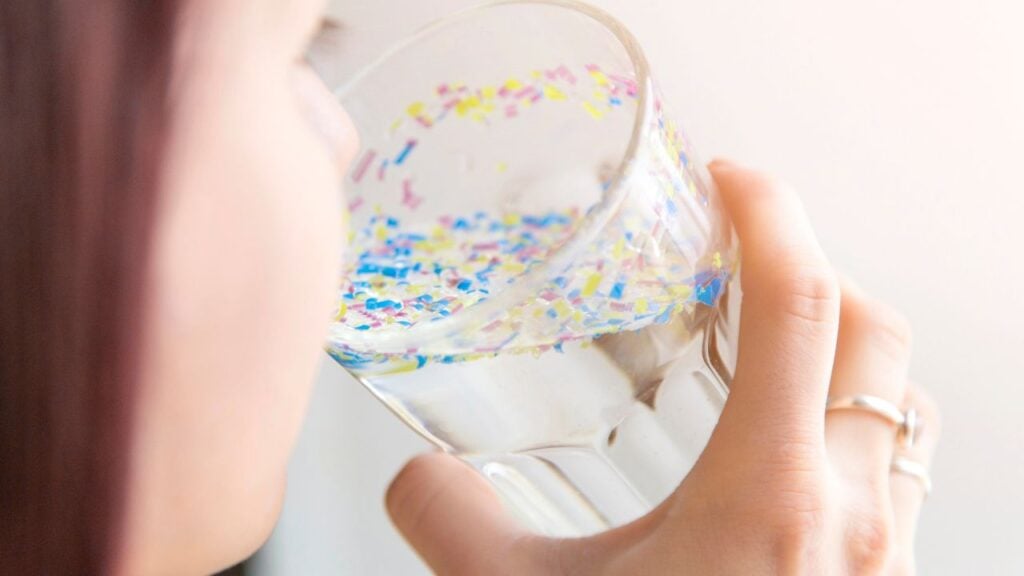
You can’t see, smell, or taste microplastics. But research reveals they’re showing up in our everyday lives.
Here are 24 common items where microplastics hide and why you need to pay attention.
24 Items That Have Alarmingly High Levels of Microplastics
17 Life Hacks That Are Harder Than the Non-Hack

Life hacks are supposed to make your life easier, and sometimes they really do. However, the internet is rife with hacks that aren’t actually effective.
17 Life Hacks That Are Harder Than the Non-Hack
Which Classic American Decade Is Totally You?
Take a quick break and discover which classic American era matches your personality and old-school soul. Our Decade DNA Quiz is fast, fun, and full of feel-good retro energy.
Meet Your Match. Discover Your Decade DNA. (Your Vintage Roots Are Showing)

