
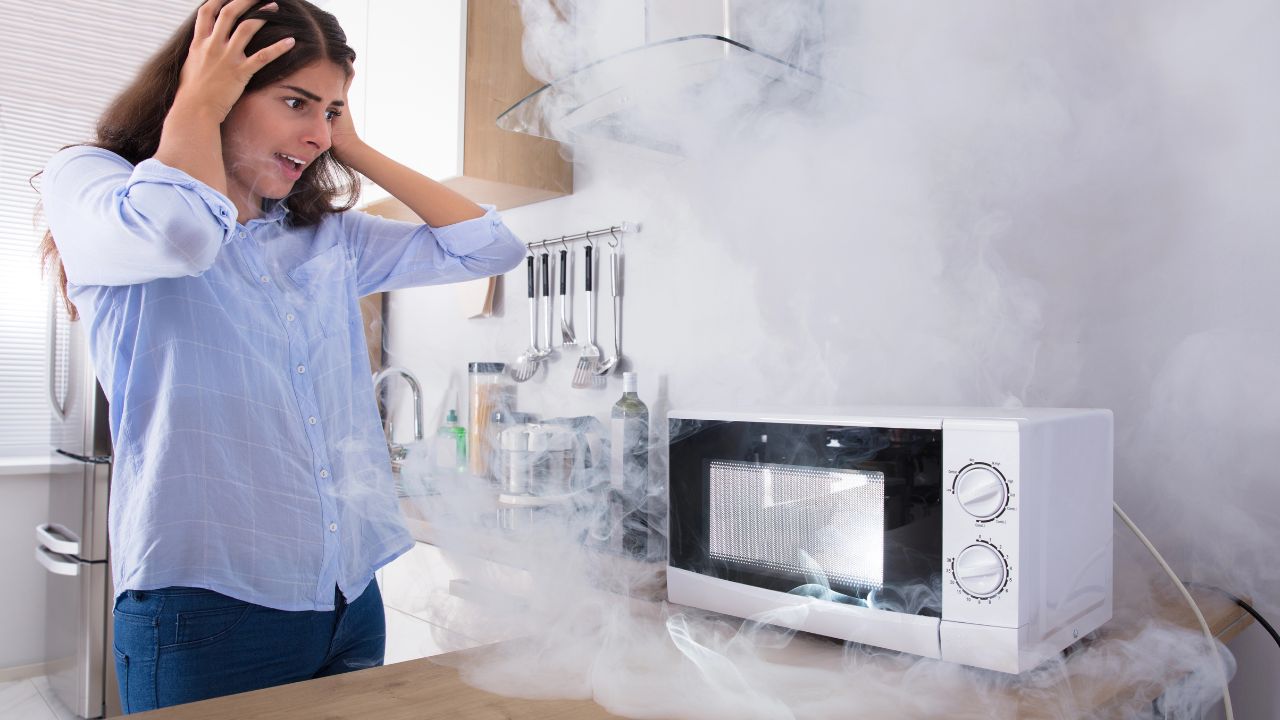
22 Bad Habits That Shorten the Life of Appliances in Your Tennessee Home

Many appliances don’t quit because they’re old. They quit because we treat them badly.
From overstuffing washers to ignoring dusty fridge coils, some “harmless” habits we have slowly wear down our appliances.
Here are the everyday mistakes quietly cutting years off the life of your Tennessee home’s hardest-working machines.
Ignoring the Lint Trap in Your Dryer
It seems harmless, right? One little load won’t hurt.
But when lint builds up, it traps heat and makes your dryer work twice as hard.
Over time, that extra strain can burn out the motor, and in extreme cases, even cause fires.
The lint screen should be cleaned after every load. Not “every few” or “when you remember.” Every. Single. Time.
A clogged trap also makes your clothes take longer to dry, which wastes electricity and patience equally.
If it’s been a while since you gave the vent hose a look, that’s another place to check. A good vacuum or vent brush can clear it out and instantly make your dryer breathe easier.
Overstuffing the Washing Machine
When you cram a week’s worth of laundry into one cycle, you’re basically asking your washer to squat 300 pounds of soggy denim.
That puts serious strain on the motor, drum, and suspension springs.
Overloading also means clothes don’t actually get clean; they just spin around like a wet sandwich. So you end up rewashing and wasting water anyway.
Leave space at the top of the drum about the width of your hand. Your clothes (and your washer) will thank you.
Using Too Much Detergent
That extra scoop of detergent might make your laundry smell more “mountain fresh,” but it’s doing the opposite of cleaning.
Excess soap builds up inside the drum, hoses, and seals, creating a gummy film that traps dirt and bacteria.
The result is a stinky washer and clothes that feel stiff or filmy.
Not exactly the clean you were promised.
Follow the lines on the cap, or better yet, switch to high-efficiency detergent if your washer requires it. Less really is more here.
Letting Your Fridge Stay Packed Solid
A full fridge looks satisfying, but when it’s stuffed to the gills, air can’t circulate properly.
That makes the compressor work overtime trying to keep everything cold.
When airflow is blocked, certain zones stay warm, causing food to spoil faster. Then you end up tossing things and blaming “bad produce” when it’s actually bad spacing.
Try leaving an inch of clearance between items and the walls, and don’t block those vents in the back.
Your milk shouldn’t be sweating in the door, and your lettuce shouldn’t be freezing in the back corner.
Skipping the Fridge Coil Cleaning
Those dusty coils behind or underneath your refrigerator aren’t decoration. They help release heat, and when they’re covered in dust bunnies, the motor works twice as hard.
A few minutes with a coil brush or a vacuum hose every six months can add years to your fridge’s life.
Think of it as brushing your fridge’s teeth. Boring, yes, but worth it.
Bonus: It might even make your energy bill dip slightly. A clean coil equals a chill fridge.
Running the Dishwasher Half Empty
Sure, it’s convenient to clean that one bowl and fork after dinner, but dishwashers are designed to run full loads.
Running it half empty wastes water, detergent, and electricity, and puts unnecessary cycles on the machine.
Instead, load it efficiently and wait until it’s full. If you can’t stand dirty dishes sitting overnight, use the rinse cycle instead of a full wash.
And make sure plates aren’t blocking the spray arms.
That “still dirty” glass in the top rack is usually a loading problem, not a detergent issue.
Not Cleaning the Dishwasher Filter
Yes, your dishwasher has a filter. And no, it doesn’t clean itself.
If you’ve noticed funky smells or cloudy dishes, that filter is probably clogged with old food bits.
That not only strains the pump but makes the water recirculate gunk instead of soap.
Take it out once a month, rinse it under hot water, and scrub lightly with an old toothbrush. It’s five minutes that can save your dishwasher from an early retirement.
Microwaving Without Covering Food
Splattered sauce might not seem like a big deal, but repeated messes trap moisture inside your microwave and corrode the interior coating over time.
That means your trusty microwave could start rusting from the inside out, or the turntable could get stuck from dried food globs.
Just cover your food with a paper towel, lid, or microwave-safe cover.
You’ll save yourself endless scrubbing sessions and your microwave from sticky demise.
Leaving Crumbs in the Toaster
You know those little crumbs at the bottom of your toaster tray? They’re not just ugly. They’re potential fire starters.
When they pile up, they burn every time you toast, slowly damaging the heating elements.
Not to mention, they make your kitchen smell like burnt bread daily.
Unplug it and shake out the tray once a week. A clean toaster lasts longer and won’t make your house smell like last month’s bagel.
Never Defrosting the Freezer
Freezers aren’t invincible. That inch-thick frost lining might look impressive, but it’s actually an insulator blocking proper airflow.
When frost builds up, your freezer must run longer cycles to maintain temperature, wearing out the compressor faster.
Once every few months, empty it, unplug it, and let it defrost naturally.
A quick clean-up after makes everything look (and work) brand-new.
Slamming Oven Doors
That satisfying “thunk” when you shut the oven? Turns out, your oven hates it.
Slamming weakens the hinges, damages the seal, and can even mess with the glass window over time.
You might notice heat escaping during baking, or worse, unevenly cooked cookies.
Close it gently, and don’t rest heavy pans on the open door either. It’s not a countertop, even if it feels like one in a rush.
Ignoring Range Hood Filters
If your kitchen smells like last night’s bacon two days later, that’s your range hood crying for help.
Those filters trap grease and smoke, but when they’re clogged, your fan can’t ventilate properly.
That means extra strain on the motor and lingering odors in your home.
Pop the filter out and soak it in hot, soapy water once a month. It’s a simple habit that keeps both your air and your appliance cleaner.
Using the Wrong Cookware on the Stove
Glass, enamel, and cast iron aren’t all made for every surface.
Using warped or oversized pans can mess with heat distribution and stress your burners.
For electric stoves, flat-bottom pans are a must. On gas stoves, using pans too small can cause flames to lick the sides and damage the knobs.
Check your user manual or just stick to cookware that fits the burner perfectly. Precision keeps things efficient and safe.
Forgetting to Replace Water Filters
If your fridge dispenses water or ice, that filter is its lifeline.
Over time, it clogs with minerals and bacteria, making the system work harder to push water through.
Not only does this wear out the dispenser motor, but it also means your “filtered” water might not be so fresh.
Change it every six months, or more often if your water tastes off. It’s like a spa day for your fridge.
Keeping Appliances Plugged In 24/7
Even when they’re off, many appliances draw small amounts of power, called phantom load.
Over time, that constant current can wear out circuits and wiring.
Small devices like blenders, toasters, and air fryers don’t need to be plugged in all the time.
Unplug what you can when not in use. It’s safer, saves a bit on your bill, and gives your outlets a break.
Skipping the Vacuum Filter Clean
If your vacuum seems weak lately, it’s not getting old, it’s suffocating.
Filters and hoses clog easily, especially with pet hair or fine dust.
That forces the motor to work harder, shortening its lifespan and sometimes burning it out entirely.
Check the filter monthly and empty the canister before it’s overfull. A few minutes of maintenance beats buying a new one every two years.
Neglecting Your Coffee Maker
Mineral buildup from hard water is a coffee maker’s slow death sentence.
It clogs the tubing, messes with temperature, and makes your morning brew taste weirdly metallic.
Descale it monthly using a vinegar-water mix, then run plain water cycles to rinse.
You’ll extend its life, improve flavor, and maybe even save your relationship with mornings.
Ignoring Gasket Seals on Doors
Refrigerator and oven doors rely on those rubber gaskets to keep cold (or heat) in.
When they crack, warp, or loosen, your appliance has to compensate for the leak.
That means longer cooling cycles, higher energy bills, and unnecessary wear.
Wipe them down regularly with mild soap and check for gaps. If a dollar bill slips out easily when you close the door, it’s time to replace the gasket.
Leaving Electronics in Hot or Cold Rooms
Garage freezers, basement washers, or outdoor appliances are convenient, until extreme temps hit.
Cold weather can cause internal fluids to thicken or freeze, while excessive heat strains motors and circuitry.
If you must store them in less insulated areas, at least cover and elevate them to protect from temperature swings and moisture.
Not Leveling Appliances
That slightly crooked washer that “walks” across the laundry room? It’s shaking itself to an early grave.
When appliances aren’t level, their parts bear uneven pressure, which leads to premature wear.
Grab a level tool (or a smartphone app) and adjust the feet.
It’s the kind of boring fix that pays off in quiet cycles and longer life.
Treating “Beeping” as Optional
Appliance alerts are easy to ignore, until that beeping means an overheating dryer or a blocked vent.
Those little alarms aren’t there for fun; they’re your first warning before damage occurs.
Check your manual or online to learn what each sound means.
You don’t need to respond to every beep immediately, but don’t treat them as background music either.
Using Extension Cords for Permanent Power
Extension cords are meant for temporary use.
When you plug your fridge or microwave into one long-term, you risk overheating the wiring or tripping circuits.
That strain can not only shorten your appliance’s life but also become a fire hazard.
If you need more outlets, hire an electrician or use a surge-protected power strip rated for the right load.
24 Items That Have Alarmingly High Levels of Microplastics

You can’t see, smell, or taste microplastics. But research reveals they’re showing up in our everyday lives.
Here are 24 common items where microplastics hide and why you need to pay attention.
24 Items That Have Alarmingly High Levels of Microplastics
17 Decor Items That’ll Make Your Home Look Cheap

No one wants to hear their home looks cheap. But sometimes, a cheap-looking home doesn’t reflect what you spent on it. It reflects the decor you chose.
17 Decor Items That’ll Make Your Home Look Cheap
Which Classic American Decade Is Totally You?
Take a quick break and discover which classic American era matches your personality and old-school soul. Our Decade DNA Quiz is fast, fun, and full of feel-good retro energy.
Meet Your Match. Discover Your Decade DNA. (Your Vintage Roots Are Showing)

