

22 Childhood Games Everyone Used to Play in Georgia That Today’s Kids Don’t

Georgia summers were once defined by the sounds of kids playing outside until the streetlights came on. Games like hopscotch, Red Rover, and kick the can were all the entertainment anyone needed.
You didn’t have to buy fancy equipment or join a team, just gather a group and start.
Many of those games have faded from everyday life, but they live on in the stories old-timer Georgians tell.
Kick the Can
This mix of tag and hide-and-seek was a staple in neighborhoods across the country.
One player guarded a can while everyone else tried to sneak up and kick it without getting tagged.
The game encouraged strategy, speed, and plenty of laughter.
Today, it’s rare to see kids gathering for such a simple, unstructured challenge.
Red Rover
Two teams linked arms and called for an opponent to try to break through their human chain.
It was a game of strength, timing, and teamwork that could keep kids entertained for hours.
Breaking through brought a rush of excitement, while being stopped meant joining the other team.
Many schools eventually banned red rover due to safety concerns, and it quietly faded from playgrounds.
Hopscotch
All you needed was chalk, a flat surface, and a small stone or coin to play hopscotch.
The numbered grid was drawn on the ground, and players hopped through it on one foot without losing balance.
It was easy to set up anywhere, from driveways to sidewalks to playgrounds.
While still known, it’s far less common to see hopscotch games drawn in neighborhoods today.
Four Square
Played with a rubber playground ball and four squares marked on the pavement, four square was all about quick reflexes.
Players bounced the ball into each other’s squares, trying to catch opponents off guard.
It had its own evolving set of rules and “house” variations depending on the group.
Now, many kids have never even heard of it outside of old-school playground stories.
Marbles
Kids once carried pouches of marbles to challenge friends during recess or after school.
The goal was to knock your opponent’s marbles out of a chalk-drawn ring using your own shooter marble.
It required skill, patience, and a steady hand.
While collectible marbles still exist, the playground version has nearly vanished.
Duck, Duck, Goose
Children sat in a circle while one player tapped heads and called “duck” until picking someone as “goose.”
The goose then chased the tapper around the circle, trying to tag them before they sat down.
It was simple, energetic, and worked for groups of almost any size.
These days, it appears more in preschool settings than in neighborhood yards.
Mother, May I?
One child acted as “Mother” and gave instructions for how the others could move forward, such as taking giant or baby steps.
Players had to ask, “Mother, may I?” before acting, or they were sent back to the start.
The mix of listening skills and playful trickery made it a favorite for large groups.
Now, it’s rarely played outside of retro-themed events.
Capture the Flag
This game turned backyards and parks into battlegrounds for two teams.
Each team hid a flag and worked together to defend it while trying to capture the other team’s flag.
It involved running, strategy, and sometimes elaborate hiding spots.
Today, capture the flag is mostly seen at summer camps rather than in everyday neighborhood play.
Jacks
Armed with a small rubber ball and a handful of metal or plastic jacks, kids tested their hand-eye coordination.
The goal was to bounce the ball, grab the correct number of jacks, and catch the ball again before it hit the ground.
It could be played indoors or outdoors, making it a year-round favorite.
Today, jacks are rarely found outside of toy history books and nostalgia collections.
Freeze Tag
A twist on regular tag, this game required tagged players to freeze in place until a teammate set them free.
It kept everyone constantly moving while adding a cooperative element.
The larger the group, the more chaotic and fun it became.
Modern playgrounds still see versions of tag, but freeze tag has lost much of its popularity.
Simon Says
One player acted as “Simon” and gave commands, but only those preceded by “Simon says” were to be followed.
The challenge was to listen closely and not be tricked into moving without the phrase.
It sharpened attention skills while delivering plenty of laughs when someone slipped up.
Although still used in classrooms, Simon says is no longer a go-to neighborhood pastime.
Kickball
Often considered the schoolyard cousin of baseball, kickball needed only a rubber ball and open space.
Teams took turns kicking the ball and running bases while the other team fielded.
It was a great way to get large groups involved without needing much equipment.
While some schools still play it, it has largely disappeared from casual weekend gatherings.
Hide and Seek
One player covered their eyes and counted while everyone else ran to hide.
The seeker then tried to find and tag each player before they reached a safe spot.
It could be played anywhere, from backyards to basements, and never needed special gear.
Today, many kids prefer digital hide-and-seek in video games over the real-world version.
Double Dutch
Using two long jump ropes swung in opposite directions, players jumped in and out to the rhythm.
It demanded timing, coordination, and sometimes even tricks once you mastered the basics.
Neighborhood competitions could last for hours and draw a crowd of cheering friends.
Now, it’s mostly seen in organized jump rope clubs rather than on sidewalks.
Sardines
This reverse hide-and-seek game had one person hide while everyone else searched.
When a player found the hider, they quietly joined them in the hiding spot.
By the end, the spot was crammed full of giggling kids trying not to give away their location.
It was perfect for summer evenings and sleepovers, but it has all but disappeared from modern play.
Kick the Ball Against the Wall
Kids would spend hours kicking or throwing a ball against a sturdy wall, creating their own rules as they went.
Sometimes it turned into a game of “Wall Ball” with points awarded for tricky bounces or catches.
It was an easy solo or group activity when space was limited.
With fewer safe play areas, this simple pastime has faded from most neighborhoods.
Tetherball
A ball hung from a rope on a tall metal pole, and two players tried to hit it in opposite directions.
The goal was to wrap the rope completely around the pole before the other player could stop it.
It was a fast-paced game that often drew small crowds of classmates during recess.
Today, it’s rare to see tetherball poles at schools or parks.
Red Light, Green Light
One player acted as the “traffic light,” turning their back to the group and calling “green light” to signal players to move forward.
When they called “red light” and turned around, everyone had to freeze.
If anyone was caught moving, they returned to the start.
The game was simple to learn and worked for all ages, but it has largely been replaced by indoor entertainment.
Leapfrog
Players lined up, crouched down, and others leapt over their backs in turn.
The game could continue in a line for as long as space allowed.
It built agility and balance while keeping everyone laughing.
Now, it’s mostly remembered as a gym class activity from decades past.
Cat’s Cradle
This string game required two people to pass a loop of yarn back and forth to create different shapes.
It was quiet, portable, and could be played for hours with nothing but a piece of string.
Kids often learned it from older siblings or classmates and invented their own variations.
Today, it’s rarely taught, replaced by games on screens.
Blind Man’s Bluff
In this variation of tag, the person who was “it” wore a blindfold and tried to tag others by sound or touch.
Players called out to taunt or mislead, making the game even more challenging.
It was both thrilling and a little nerve-wracking for participants.
Now, it’s rarely played due to safety concerns and changes in playground rules.
Spud
One player threw a ball into the air while calling out another player’s name.
The named player had to catch the ball and quickly try to tag others before they reached safety.
It required quick thinking, agility, and a good throwing arm.
This game was common in open fields but is now seldom seen outside of retro-themed activities.
11 Ways Kids Passed the Time After School in the 1950s
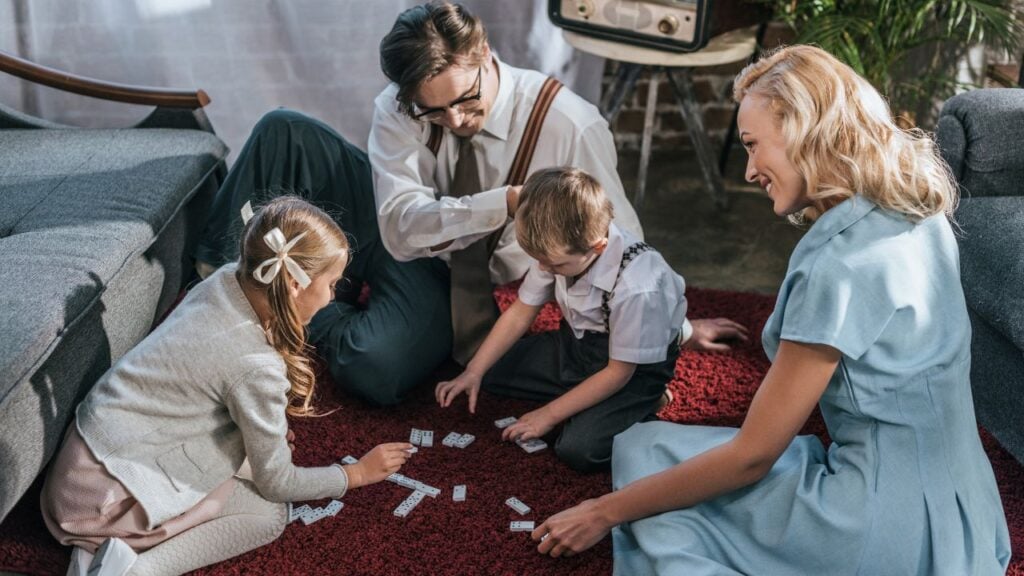
In the ’50s, there were no smartphones to scroll through, no streaming shows waiting to autoplay, and no video games with headsets and online battles.
Kids got a lot more creative when passing the time after school… after doing their homework, of course.
11 Ways Kids Passed the Time After School in the 1950s
20 Nostalgic Things Americans Could Buy for Under $1 Back in the Day
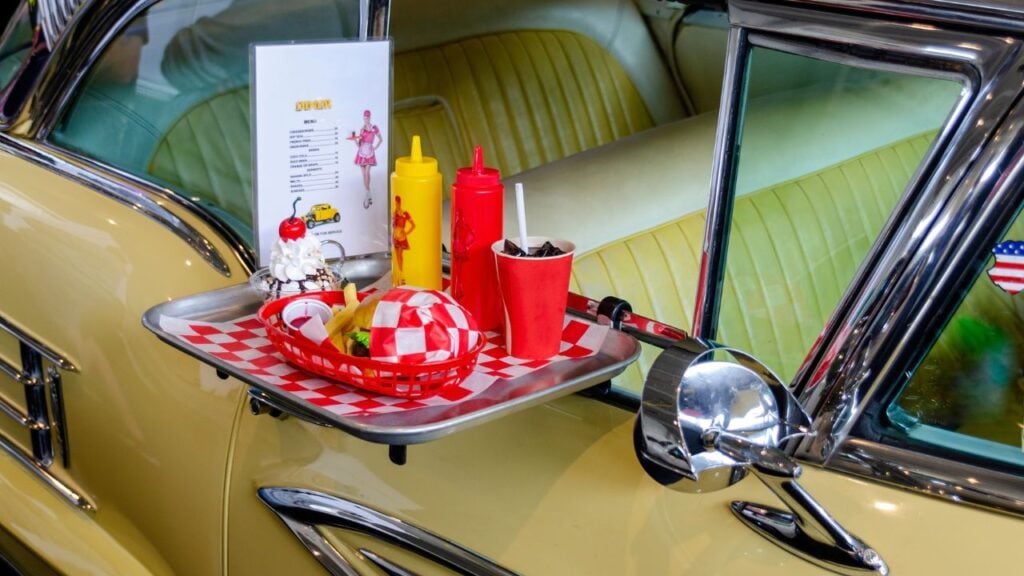
It’s hard to believe now, but there was a time when $1 could buy something meaningful.
Let’s take a trip back to the days when Americans’ pockets didn’t need much cash to bring home something fun, useful, or just plain delicious.
20 Nostalgic Things Americans Could Buy for Under $1 Back in the Day
What Decade Were You Really Meant For?
Whether you’re dreaming of bell-bottoms or soda fountains, our Decade DNA Quiz will match you with the decade that fits your personality. No work deadlines here, just a fun escape when you need it most.
Meet Your Match. Discover Your Decade DNA. (Your Vintage Roots Are Showing)


