

22 Everyday Habit That Secretly Weaken Your Immune System. Minnesotans, Beware

Some habits feel harmless, like skipping a bit of sleep or living on caffeine. But for many Minnesotans, those everyday choices quietly weaken their immune system.
Your body’s defenses depend on more than a daily multivitamin and hand sanitizer.
Here are common everyday habits many Americans have that secretly weaken their immune system.
Skipping Sleep Like It’s Optional
When you short yourself on rest, your body loses time to recharge and fight germs.
Getting less than seven hours of sleep makes it harder to bounce back, and lack of sleep messes with your body’s defenses.
Even one bad night can leave you foggy, cranky, and more likely to get sick. Over time, running on empty becomes the norm, and your immune system stops showing up for work.
If your phone keeps you up past midnight or you brag about running on caffeine, your body’s quietly losing the battle.
Exercising Too Hard, Too Often
Moving your body is great, pushing it nonstop isn’t. When you work out every day without giving yourself a break, your system gets tired in all the wrong ways.
Heavy training can raise stress hormones and make your body more vulnerable to illness.
That feeling of being wiped out after every workout isn’t just soreness. It’s your body saying “enough.”
If you never take a rest day, you’re not getting stronger; you’re just running yourself down.
Living on Sugar and Processed Food
Sweet treats and drive-thru dinners might taste great, but they’re not doing your immunity any favors. Eating too much sugar can slow down your body’s germ-fighting cells for hours.
Ultra-processed snacks also crowd out the fresh foods that keep you healthy: foods like fruits, veggies, and lean proteins.
When your diet is mostly boxes and bags, your body can’t get the nutrients it needs to stay strong.
If your go-to meal involves a wrapper and a soda, your immune system’s running low on real fuel.
Stressing All the Time
Stress doesn’t just mess with your head, it drags your whole body down.
When you’re always tense, your body stays in “fight or flight” mode, which makes it harder to fight off sickness.
Even a short burst of worry can throw your balance off, and constant stress keeps your defenses on pause. Over time, you start catching every little bug that comes around.
If you spend your day juggling work, bills, and bad news on your phone, your immune system’s quietly waving a white flag.
Drinking More Than You Think
A drink here and there feels harmless. But when it becomes a daily habit, it chips away at your body’s shield.
Alcohol slows your recovery and weakens your natural defenses.
Even a weekend of heavy drinking can leave you more likely to catch a cold. The more often you overdo it, the longer your body stays in repair mode.
If your “just one glass” somehow turns into three, your immune system’s already feeling it.
Forgetting to Drink Water
Water doesn’t get enough credit. When you’re dehydrated, your body struggles to move nutrients and flush out toxins efficiently.
Being even a little low on fluids can slow down your energy, focus, and immunity.
You’ll feel more tired, more cranky, and more likely to catch something.
If you realize at 5 p.m. that you’ve only had coffee all day, it’s time to refill that water bottle sitting in your kitchen.
Sitting All Day Without Moving
Working from your couch or desk might be convenient, but your immune system doesn’t love it.
Sitting for hours slows circulation and makes it harder for your body to stay balanced and alert.
The more you stay glued to your seat, the more inflammation builds up, which weakens your defenses. Standing up, stretching, or walking around resets your system in minutes.
If your step counter still says 400 by dinner, your immune system’s begging you to take a lap.
Eating Hardly Any Real Food
Frozen dinners and instant noodles save time, but they don’t give you much to work with.
Your immune system depends on vitamins like A, C, E, and zinc, most of which come from fresh, whole foods.
Supplements help, but they can’t replace real food. When you skip produce, your body has to fight with what little it’s got.
If your fridge looks like a condiment shelf and nothing else, your defenses are running on empty.
Always Being on Your Phone
If your phone is the first thing you grab in the morning and the last thing you touch at night, your immune system’s probably tired of it.
Constant screen time means less rest, more stress, and way too much blue light, all of which mess with your sleep cycle and immunity.
That endless scroll keeps your brain alert long after it should be winding down. And since sleep is when your body rebuilds, late-night swiping can quietly chip away at your defenses.
Put your phone down 30 minutes before bed. Your immune system will thank you, even if your group chat doesn’t.
Eating Late at Night
That midnight snack might taste amazing, but your body doesn’t love it. Late-night eating makes digestion sluggish and throws off your body’s natural rhythm.
Your body works best when it can focus on repairing itself at night, not digesting leftover pizza.
Constant late snacking also messes with blood sugar, which can affect immunity over time.
If you’re truly hungry, keep it light, but otherwise, let your system rest when the clock strikes ten.
Overdoing Coffee and Energy Drinks
Americans love caffeine, but too much can raise stress hormones and disturb sleep, both of which weaken immunity.
The more cups you pour, the more jittery and dehydrated you get. And if you’re using coffee instead of rest, you’re just delaying burnout.
Stick to moderate amounts and cut it off by mid-afternoon.
You’ll sleep better, and your immune system will stop running on fumes.
Forgetting to Wash Your Hands (Properly)
It sounds basic, but skipping soap is one of the fastest ways to invite germs in. Clean hands cut infection risk dramatically.
Rinsing with water alone doesn’t cut it; you need at least 20 seconds of real washing.
Think of it as your immune system’s best teammate.
Keep sanitizer handy for when you’re out, but nothing beats good old-fashioned soap and water.
Bottling Up Your Emotions
Holding everything in doesn’t just hurt your mood. It wears your body down, too.
People who constantly suppress emotions often have higher stress.
When you never vent, your stress hormones stay elevated, and your body acts like it’s always in crisis mode.
Talk to someone, write it out, or go for a walk. Releasing stress helps your immune system breathe again.
Ignoring Gut Health
Your gut isn’t just for digestion. It’s where a huge chunk of your immune system actually lives.
A diet low in fiber and high in junk food throws your gut bacteria out of balance.
That imbalance can trigger inflammation and make your defenses weaker.
Add foods like yogurt, sauerkraut, and fiber-rich veggies. A happy gut usually means a stronger immune system.
Not Getting Any Sun (or Vitamin D)
Staying indoors all day might keep you cool, but it also limits your vitamin D levels, which play a big role in immunity.
Low vitamin D has been linked to more frequent colds and slower recovery times.
You don’t need to tan; just a few minutes of sunlight or a supplement if you’re low can help.
If your skin hasn’t seen daylight since last summer, your immune system’s probably missing it too.
Skipping Breakfast
Some people swear by skipping breakfast. But going too long without food can stress your body and affect blood sugar balance.
When your energy dips, your body releases stress hormones that can throw your immune response off track.
A light, balanced breakfast, even just yogurt and fruit, gives your body what it needs to start defending early.
Smoking or Vaping “Every Once in a While”
Even occasional smoking or vaping damages cells in your airways and weakens immunity.
It might seem like no big deal if you only do it socially, but the effects add up fast.
The chemicals irritate tissues, slow healing, and open the door to infections.
If you’ve been thinking about quitting, consider this your sign. Your immune system’s already on your side.
Living in Constant Clutter
Messy spaces do more than annoy you; they increase stress and make your body less efficient at fighting off illness.
Clutter keeps your brain on alert, even when you’re trying to relax.
Over time, that constant low-level stress wears down your immune strength.
You don’t need to be minimalist, but clearing the chaos can do more than make your room look nice. It helps your body unwind.
Staying Indoors All the Time
Fresh air does more than clear your head. It gives your immune system a reset.
Being outside helps lower stress, boost vitamin D, and expose you to natural microbes that train your immunity.
When you stay inside all the time, your air gets stale, your energy drops, and your defenses dull.
Even a short daily walk can lift your mood and remind your immune system how to stay alert.
Forgetting to Laugh
It sounds silly, but laughter really is medicine. Laughing lowers stress hormones and improves immune cell activity.
People who laugh often have better resistance to colds and faster recovery when they do get sick.
So watch something funny, call your hilarious friend, or scroll the memes guilt-free.
Joy is part of the cure.
Not Taking Real Breaks
Working nonstop may look productive, but burnout destroys immunity.
Your body needs downtime to reset and repair. Skipping breaks keeps your stress high and your energy low, and chronic fatigue weakens your natural defenses.
Even five minutes to breathe or stretch counts.
Productivity’s nice, but being healthy enough to enjoy it is better.
Ignoring Small Illnesses
Brushing off colds, skipping rest days, or “powering through” doesn’t make you tough. It just makes recovery slower.
When you don’t give your body a break, inflammation sticks around longer.
Your immune system’s already working overtime. Give it the help it’s asking for: rest, fluids, and time.
Sometimes the best cure is letting your body relax instead of pushing it harder.
24 Items That Have Alarmingly High Levels of Microplastics
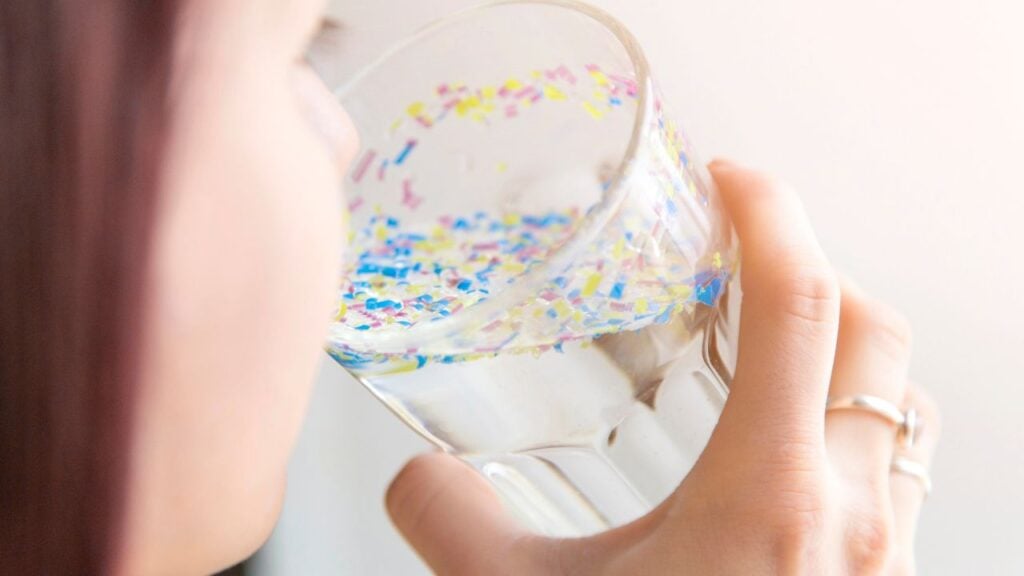
You can’t see, smell, or taste microplastics. But research reveals they’re showing up in our everyday lives.
Here are 24 common items where microplastics hide and why you need to pay attention.
24 Items That Have Alarmingly High Levels of Microplastics
17 Life Hacks That Are Harder Than the Non-Hack

Life hacks are supposed to make your life easier, and sometimes they really do. However, the internet is rife with hacks that aren’t actually effective.
