
22 Funny Facts About Everyday Objects That Californians Never Question

Most of us use the same everyday objects without ever stopping to ask why they look or work the way they do.
But pens, jeans, and toothbrushes all have secret quirks hiding in plain sight.
Here are some of the weirdest and most amusing facts about the ordinary things Californians and Americans across the country never think twice about.
The Bumps on the F and J Keys
Those raised ridges on your keyboard aren’t decoration. They’re there so you can find your typing “home row” without looking down.
It’s like Braille for the impatient.
Professional typists glide across their keys by feel alone. The rest of us just mash random letters until autocorrect gives up.
Still, it’s comforting to know your keyboard’s been rooting for you this whole time.
And the fact that almost no one ever consciously notices them shows how deeply we take smart design for granted.
Why Pen Caps Have Holes
That tiny hole at the top of your pen cap isn’t just there for looks. It’s there so you don’t choke.
Manufacturers added the hole decades ago after realizing how often people absentmindedly chewed their pens.
The hole lets air pass through in case someone accidentally swallows the cap. It’s basically a tiny life insurance policy you’ve never thanked.
And the funniest part? The number of Americans who’ve gnawed on a pen without ever noticing the hole’s purpose could be in the millions.
It’s one of those design features that proves people only learn safety lessons after someone, somewhere, did something very stupid.
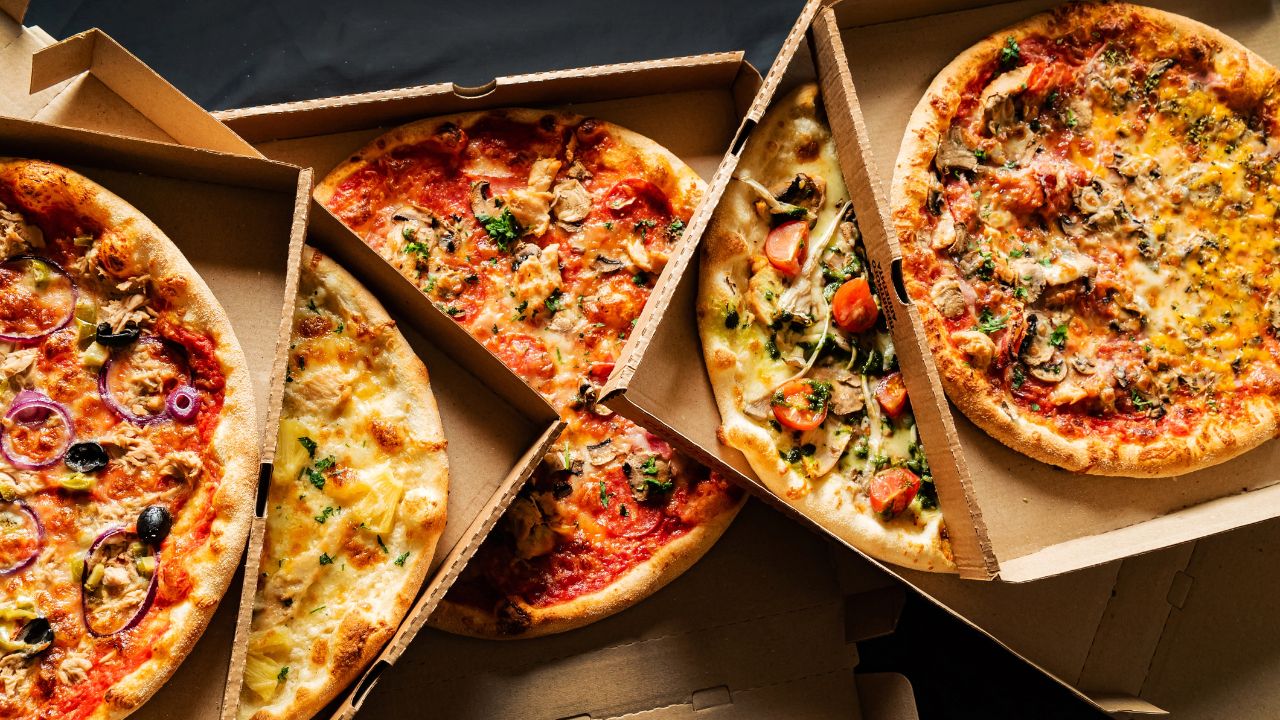
Why Pizza Boxes Are Square
You’d think someone would’ve solved the whole “round pizza, square box” problem by now. But square boxes are easier and cheaper to make than round ones.
They also stack better.
It’s the fast food version of “good enough.” Round boxes exist, but they’re rare because pizza chains aren’t about to spend more money on geometry.
So every time you open that box, you’re looking at centuries of humans collectively shrugging and saying, “Eh, close enough.”
The mismatch is so iconic now that a round pizza in a round box would probably feel wrong.
Why Tennis Balls Are Fuzzy
The fuzz on a tennis ball slows it down and adds spin. A smooth ball would zip out of control.
The texture makes it bounce predictably, even after hours of play.
It’s basically science wrapped in lime green fur.
And somehow, it still ends up covered in dog slobber by the end of the day.
The Dot Beside Your iPhone Camera
That tiny dot beside your iPhone’s camera lens is a noise-canceling microphone. It improves sound quality during calls and videos.
People constantly mistake it for a reset button or sensor.
In reality, it’s just one more little thing your phone’s doing better than you ever realized.
It’s also the reason your FaceTime calls don’t sound like they’re filmed in a wind tunnel.
The Mystery of the Tic Tac Lid
That little groove inside a Tic Tac lid is technically a dispenser that’s supposed to hold exactly one mint.
Unfortunately, Americans have unanimously decided to ignore that design and pour five into their hand instead. The intended “single-serving elegance” just turned into a snack avalanche.
Somewhere, a Tic Tac engineer is still wondering why no one listened.
But honestly, when has anyone ever eaten just one Tic Tac? That was doomed from the start.
Why Blue Toothbrushes Are Everywhere
Next time you’re in a grocery store aisle, look closely. The majority of toothbrushes are blue or green. That’s not a coincidence.
Color psychologists discovered that people associate blue with freshness and cleanliness.
Red reminds people of blood, so it got the boot from most dental products decades ago.
So, the next time you grab a blue toothbrush, know that you’ve been quietly manipulated into feeling minty fresh.
The irony?
You’ll toss it in the trash in three months without ever noticing its color.
Why Toothpaste Comes Out in Stripes
Have you ever wondered how toothpaste manages perfect red, white, and blue stripes? The tube has multiple chambers inside.
When you squeeze it, each color flows through a shaped nozzle that merges them without mixing.
It’s simple, precise engineering designed to make brushing your teeth look patriotic.
All that effort, and most of us don’t even replace the cap.
The Hole on Padlocks
The small hole at the bottom of padlocks isn’t a defect. It’s for draining water and oiling the mechanism.
Without it, the lock would rust shut in no time. It’s functional, but also gross once you realize how many bugs crawl in there.
So next time you grab your backyard lock, maybe wear gloves.
There’s a good chance that hole has seen things.
The Hole in Airplane Windows
Have you ever noticed the small hole near the bottom of airplane windows? It’s not a flaw; it’s there to keep the window from bursting.
Planes use multiple layers of glass, and the hole regulates pressure between them. It’s a tiny vent that saves everyone from a very bad day at 35,000 feet.
It’s one of those facts you wish you hadn’t learned mid-flight.
And once you know it, you can’t not stare at it during takeoff and think, “Please hold.”
The Hidden Pocket in Jeans
That tiny extra pocket inside your jeans was originally designed for pocket watches. Cowboys in the 1800s needed a safe place to store them.
Now, it holds absolutely nothing, maybe a bobby pin or a quarter if you’re lucky. But it’s too small for modern life.
Still, Levi’s refuses to remove it because nostalgia sells, even when it’s useless.
It’s the fashion version of a vestigial organ, once useful, now just decorative.
Why Soda Cans Have Straw Holes
Ever wonder why soda can tabs have holes? Flip the tab around after opening, and the hole lines up perfectly with a straw.
It’s meant to hold the straw in place while you sip. Unfortunately, no one actually does this.
People have been fighting floating straws for decades, unaware that the solution was built in the entire time.
If that isn’t peak human irony, what is?
The Hole in Cooking Pot Handles
The hole at the end of a pot handle isn’t just for hanging. It’s meant to hold a cooking spoon.
Slide the handle of your spoon through it and let it rest neatly over the pot. The design prevents dripping and mess.
It’s one of those features that’s been right there, waiting for you to notice it while making spaghetti since the ’90s.
Meanwhile, generations of home cooks have been wasting paper towels instead.
Why Erasers Have Blue Sides
The red-and-blue eraser is a school legend. Kids swore the blue side erased ink. It doesn’t.
The blue part was made for thicker, rougher paper, like sketch pads. It’s just stronger. But the pen rumor stuck and spread like wildfire.
Now every American who grew up in the ’80s and ’90s carries that myth like gospel.
It’s one of those charming lies that made childhood slightly more magical.
Why Wine Bottles Have Dips
That indentation at the bottom of a wine bottle is called a “punt.” It’s there for strength and balance.
It also collects sediment and makes pouring smoother. Sommeliers swear by it.
The rest of us just use it to look fancier when serving $7 merlot.
It’s high-class theater for budget wine drinkers everywhere.
The Ridge on Coins
Those tiny lines around the edge of coins, like quarters and dimes, were once an anti-theft measure. People used to shave off bits of gold or silver from coins and melt them down.
The ridges made tampering obvious. Now they’re just a leftover tradition that makes your change jingle more dramatically.
So yes, even your spare coins have trust issues.
And if nothing else, they add a little texture to your wallet’s chaos.
Why Takeout Boxes Fold Flat
Those classic white takeout boxes from Chinese restaurants can unfold into a flat plate.
It’s brilliant, really, no extra dishes, no spills. But almost no one does it. People treat them as permanent boxes, eating straight out of the container.
Meanwhile, the box designer’s ghost is out there sighing every night.
Imagine the collective shock if everyone figured it out at once.
Why Golf Balls Have Dimples
Golf balls aren’t smooth because the dimples help them fly farther. They reduce air resistance and improve lift.
A smooth ball would fall like a sad rock. The dimpled design turned golf into a game of physics and luck.
It’s funny how something so refined started with a bunch of people hitting bumpy balls into fields.
Even science couldn’t make golf less frustrating.
Why McDonald’s Straws Are So Big
McDonald’s straws are slightly wider than normal ones. That’s intentional.
The bigger straw lets more liquid—and flavor—hit your tongue at once, making soda taste sweeter.
So technically, McDonald’s didn’t just engineer fast food. They engineered your brain.
It’s the closest thing to culinary mind control you’ll ever experience for $1.39.
Why Fast-Food Ketchup Cups Unfold
Those little paper ketchup cups actually expand. You can unfold them into wide dipping dishes.
Most people never realize this and keep awkwardly dunking fries into a tiny pool of ketchup.
You’ve been living in condiment poverty this whole time.
It’s a humbling reminder that fast food holds more mysteries than we give it credit for.
Why Red Solo Cups Have Lines
The ridges on red Solo cups mark different measurements: beer, wine, and liquor. They weren’t designed for it, but the alignment turned out perfect.
Now they’re a national party tool, used more accurately than measuring spoons.
It’s probably the most unintentional success in American beverage history.
A true symbol of freedom, found at every barbecue.
Why Gas Pumps Stop Automatically
That satisfying “click” when your gas pump stops isn’t magic. The nozzle has a small vacuum valve that senses when fuel reaches the top.
It shuts off to prevent overflow and keep your shoes clean.
It’s one of those designs that’s too smart for how often people ignore it and keep squeezing anyway.
Humans just don’t trust anything that claims to know when to stop.
17 Decor Items That’ll Make Your Home Look Cheap

No one wants to hear their home looks cheap. But sometimes, a cheap-looking home doesn’t reflect what you spent on it. It reflects the decor you chose.
17 Decor Items That’ll Make Your Home Look Cheap
Remember When Everything Had Color? These 18 Things Definitely Did
There was a time when even the most ordinary things were bursting with color.
But now?
We’ve swapped charm for minimalism, and for some reason, we all agreed to pretend it’s better. Here are some everyday things that used to be colorful but aren’t anymore.
Remember When Everything Had Color? These 18 Things Definitely Did
Think You Belong in a Different Decade?
From big bands to big hair, our playful Decade DNA Quiz reveals which classic American era fits your personality best. It’s fast, fun, and full of vintage flair.
Meet Your Match. Discover Your Decade DNA. (Your Vintage Roots Are Showing)

