
23 Innocent Things Washingtonians Do That Accidentally Wreck Their Sleep

Many Washingtonians will do anything for a good night’s sleep: buy blackout curtains, sip chamomile tea, or drop half a paycheck on a “cooling” pillow that still feels warm by 3 a.m.
But sometimes the things we do to help ourselves actually do the opposite.
From harmless bedtime habits to sneaky daily routines, these innocent choices might be the real reason you’re exhausted before your second cup of coffee.
Scrolling Until “Just One More Video”
It always starts innocent. A quick TikTok scroll before bed. Then, an hour later, you’re somehow watching a raccoon make pancakes.
Blue light from screens tricks your brain into thinking it’s daytime. That makes melatonin production drop… and your sleep quality right along with it.
Even if you “put your phone down,” your brain stays wired from the dopamine spikes. So that “five-minute wind-down” is really a digital espresso shot.
Try cutting screen time at least 30 minutes before bed, or use night mode if you can’t resist those midnight scrolls.
Late-Night Snacks That Seem Harmless
You’re not exactly binging pizza at midnight: just a small handful of pretzels, maybe a spoonful of peanut butter.
Seems fine, right?
Unfortunately, even small snacks can kick your digestion into gear, especially if they contain sugar or fat. That means your body’s busy working instead of resting.
Certain foods, like chocolate or energy bars, even sneak in caffeine you didn’t expect. Surprise! You just ate your sleep away.
If hunger hits, stick to something light—like a banana or a few almonds—so you can drift off instead of digest.
Keeping the Bedroom Too Warm
Americans love cozy. Fuzzy socks, plush blankets, and heated throws are comfort culture at its finest.
But when it comes to sleep, cooler is actually better. Studies show we rest best in rooms around 65–68°F.
Too much warmth raises your core body temperature, which confuses your circadian rhythm. That’s why you might wake up sweaty and cranky at 3 a.m.
A fan or breathable sheets can do wonders, and you can still keep that blanket pile for looks.
Drinking “Just One” Glass of Wine
That nightly glass of Pinot feels relaxing, but alcohol’s relaxation is a trick.
While it helps you fall asleep faster, wine disrupts your REM cycles. That means your sleep is lighter, more fragmented, and less restorative.
You’ll wake up groggy and maybe even dehydrated. Not exactly the morning glow you were going for.
If you crave a bedtime ritual, switch to herbal tea instead. Bonus points if it doesn’t involve corkscrews.
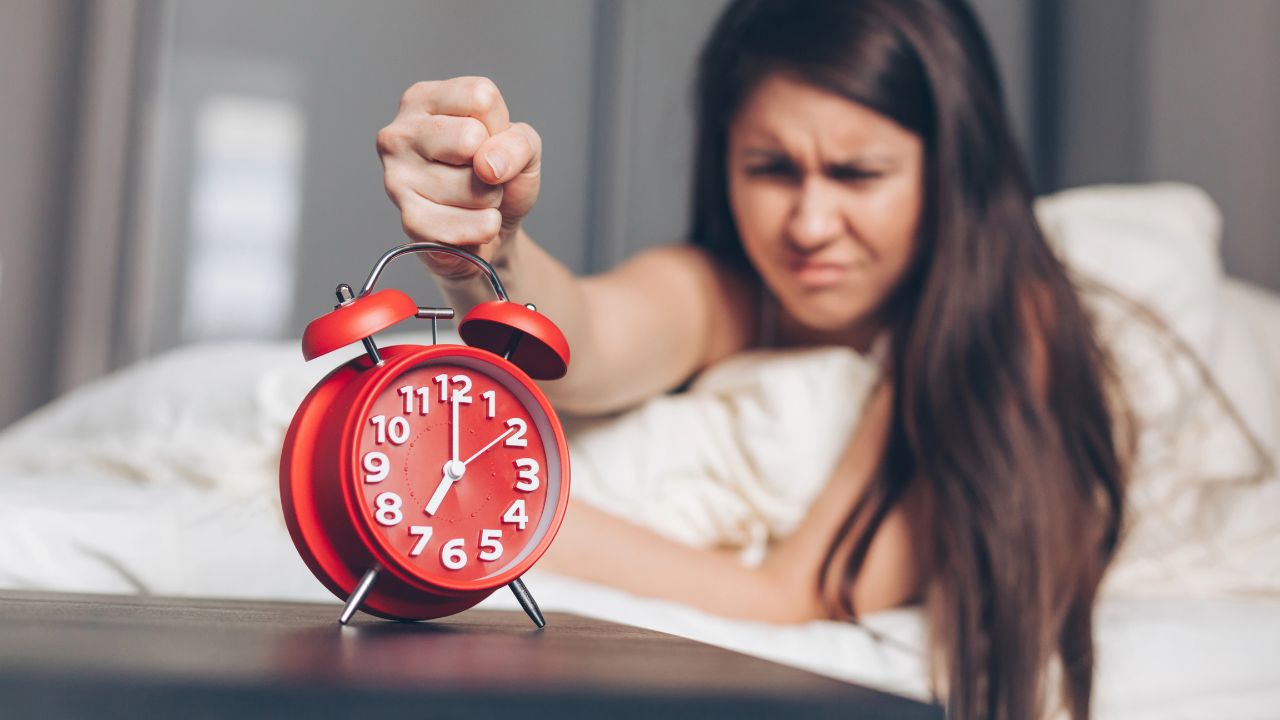
Hitting Snooze Like It’s a Sport
That “five more minutes” button feels like a small act of kindness. But hitting snooze confuses your brain and body.
Once your alarm goes off, your body starts waking up. When you drift back into sleep, you interrupt that process, making it harder to feel alert later.
That’s why you feel even more tired after snoozing three times. It’s called sleep inertia, and it’s brutal.
The trick?
Set your alarm for the actual time you’ll get up, not the time you want to start pretending you’re awake.
Overdoing the Caffeine “Safety Net”
Morning coffee? Fine. Afternoon cold brew? Acceptable. But the 4 p.m. latte “to power through the day”?
That’s where the trouble starts.
Caffeine can linger in your system for up to 8 hours. So that afternoon pick-me-up might be what’s keeping you up later.
Even “decaf” coffee can have small amounts of caffeine that add up if you drink several cups.
If you need energy later in the day, try a short walk, cold water on your face, or an upbeat playlist instead.
Watching TV in Bed
You tell yourself it’s “relaxing” to watch an episode or two of The Office before bed. But your brain doesn’t buy it.
The light, the sound, and the fast-paced editing all tell your brain it’s party time, not bedtime.
Plus, once the episode ends, the platform automatically plays another. Suddenly it’s 1 a.m., and you’re deep into Season 4.
Try moving your viewing to the couch. That way, your bed is only associated with sleeping, not sitcom marathons.
Skipping Morning Sunlight
You’d think what you do at night matters most for sleep, but mornings count too.
Getting sunlight early helps regulate your circadian rhythm by signaling your body it’s time to be awake. Without that, your internal clock drifts later and later.
Even just 10 minutes outside can make a difference. Bonus points if you leave the sunglasses off briefly.
Your bedtime might start fixing itself once your mornings do.
Letting Pets Sleep in the Bed
Your dog looks adorable curled up by your side. Until he dreams about chasing squirrels and kicks you square in the ribs.
Pet movement—even small ones—can repeatedly pull you out of deep sleep without you realizing it.
Then there’s the dander, fur, and the occasional mid-night meow. Cozy, yes. Restful, not so much.
Give your pet a comfy bed nearby instead, and everyone gets better rest.
Sleeping In Too Much on Weekends
After a long week, sleeping until noon feels earned. But it can mess with your internal clock.
When you shift your wake-up time drastically on weekends, your body experiences “social jet lag.” That’s why Sunday night sleep feels impossible.
You don’t have to wake up at 6 a.m. on Saturdays, but try to stay within an hour of your normal routine.
Consistency is your best friend when it comes to circadian rhythm.
Exercising Too Late
Working out after dinner seems efficient; you’re saving time and doing something healthy. But late-night workouts can actually keep your body temperature and heart rate high for hours.
That post-gym adrenaline makes it harder to wind down.
If evening is your only option, go for yoga or stretching rather than high-intensity cardio.
You’ll still get the movement benefits without turning bedtime into a cooldown struggle.
Using Harsh Overhead Lights at Night
Bright kitchen lights at 10 p.m. might feel practical, but they trick your brain into staying alert.
Artificial light delays the release of melatonin, the hormone that tells your body it’s time to rest.
Swap out bulbs for softer, warmer tones or use lamps instead of ceiling lights.
Your body will thank you by getting sleepy right on schedule.
Napping Too Late in the Day
There’s nothing wrong with a quick nap, especially after a long morning. But snoozing too late (say, after 4 p.m.) can ruin your nighttime sleep.
You might wake up refreshed but then struggle to fall asleep later.
If you must nap, keep it short (20–30 minutes) and early.
Think of naps like espresso shots: tiny boosts, not full replacements.
Sleeping with Makeup On
It’s not just your skin that suffers when you skip washing your face. Makeup residue can irritate your skin, cause breakouts, and even make you subconsciously touch your face during sleep.
Those small movements and irritations can disrupt deep sleep cycles.
It’s a small thing, but cleansing before bed helps both your skin and your slumber.
Plus, there’s no better feeling than fresh sheets and a clean face.
Letting Stress Run the Show
Stress doesn’t punch the clock at 5 p.m. It follows you home, sits on your chest, and whispers about everything you forgot to do.
Your body responds with higher cortisol levels, which block melatonin and make it hard to relax.
That’s why you might feel physically exhausted but mentally wide awake.
Small stress relievers—like a warm bath, stretching, or journaling—can help switch your nervous system back into rest mode.
Using Your Bed as a Work Desk
The pandemic taught us many things, including how to answer emails horizontally.
But working, studying, or even scrolling through news in bed makes your brain associate that space with alertness, not rest.
Over time, your brain stops linking your bed with sleep, which makes falling asleep harder.
Try to reserve your bed for sleep and, okay fine, maybe breakfast in bed once a year.
Ignoring Your Mattress Age
Americans are loyal to their mattresses. Some keep them for over a decade, even when they’re visibly sagging.
But mattresses lose support over time, which affects spinal alignment and comfort.
That constant tossing and turning? It’s not your anxiety. It’s your aging mattress.
Experts suggest replacing it every 7–10 years, depending on quality and use.
Leaving the TV or Fan on All Night
The background noise feels comforting, but your brain still registers it even during sleep.
That means lighter sleep, more awakenings, and less rest.
White noise machines are a better option. They produce consistent sound without random dialogue or volume changes.
If silence feels weird, try a sleep playlist instead of reruns.
Staying Hydrated Right Before Bed
We’re all told to drink more water, but chugging a bottle before sleep is a rookie mistake.
Your bladder doesn’t care about your bedtime; it’ll wake you up anyway.
Even if you don’t fully wake, your body still experiences micro-awakenings that break up deep sleep.
Front-load hydration earlier in the day and taper off after dinner.
Using Scented Candles or Essential Oils Incorrectly
A lavender candle sounds sleep-friendly, but strong fragrances can be stimulating or trigger allergies.
Some essential oils also contain compounds that can irritate your respiratory system, especially if diffused too heavily.
It’s all about balance. A small whiff is soothing; a cloud of scent is chaos.
If you love aromatherapy, try lighter diffusion or switch to unscented options for bedtime.
Keeping Too Many Notifications On
Even if your phone’s on silent, vibrations and screen flashes can still disrupt your sleep.
Your subconscious mind picks up those cues—even if you don’t wake up fully.
Put your phone on “Do Not Disturb,” or better yet, keep it outside your bedroom.
Whatever text you missed at 2 a.m. can probably wait until morning.
Sleeping on an Irregular Schedule
One night it’s 9 p.m., the next it’s midnight. It’s chaos, and your body hates it.
Inconsistent bedtimes confuse your internal rhythm, making it harder to fall asleep naturally.
You’ll start waking up groggy no matter how many hours you slept.
Try to set a consistent window for bedtime and waking, even if life gets hectic.
Overthinking Sleep Itself
The cruel irony: the more you try to sleep, the less it happens.
When you start obsessing over how many hours are left, your anxiety spikes, and sleep runs farther away.
If you can’t sleep, get up, do something quiet and boring, then try again.
Sometimes the best way to rest is to stop stressing about resting.
24 Items That Have Alarmingly High Levels of Microplastics
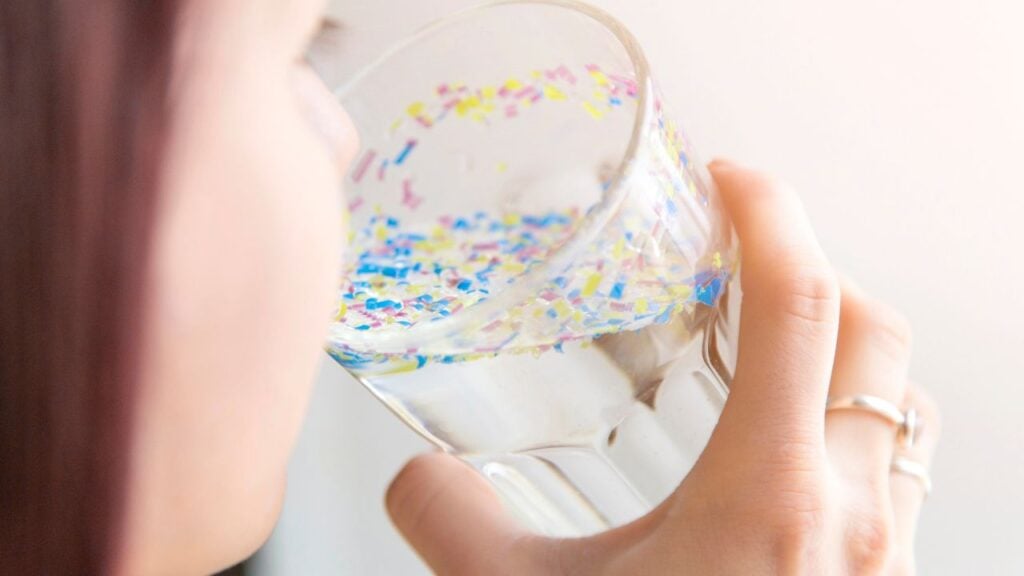
You can’t see, smell, or taste microplastics. But research reveals they’re showing up in our everyday lives.
Here are 24 common items where microplastics hide and why you need to pay attention.
24 Items That Have Alarmingly High Levels of Microplastics
17 Decor Items That’ll Make Your Home Look Cheap

No one wants to hear their home looks cheap. But sometimes, a cheap-looking home doesn’t reflect what you spent on it. It reflects the decor you chose.
17 Decor Items That’ll Make Your Home Look Cheap
What Decade Were You Really Meant For?
Whether you’re dreaming of bell-bottoms or soda fountains, our Decade DNA Quiz will match you with the decade that fits your personality. No work deadlines here, just a fun escape when you need it most.
Meet Your Match. Discover Your Decade DNA. (Your Vintage Roots Are Showing)

