

23 Sneaky Ways Businesses Greenwash Their Products, and Californians Fall for Them

People like feeling they’re making responsible choices, and companies know this better than anyone. All they have to do is sprinkle in the right colors, words, or symbols to make a product seem greener than it is.
Most California shoppers don’t have time to investigate every eco claim. If the packaging looks clean and the language feels trustworthy, people assume they’re buying something better.
Greenwashing works because it tells shoppers what they want to hear. It feels good, it looks good, and that’s usually enough to close the sale.
Here are the sneaky ways businesses greenwash their products.
Packaging Covered in Green Imagery
Shoppers see green leaves or watercolor forests and instantly assume a product is safe for the environment.
Companies love this because they can keep the same formula while dressing it up with nature-inspired art. It’s a shortcut that signals “natural” without doing anything measurable.
The packaging works especially well when placed next to plain competitors. Bright ferns and earthy tones make the shelf feel like a forest.
Some companies even add fake texture to the box so it feels like recycled paper when it’s not.
Claims That Sound Scientific but Aren’t
Phrases like “eco-friendly formula” or “naturally inspired blend” look official. They feel like something regulatory.
But when you dig deeper, these phrases usually aren’t tied to standards. They’re crafted to sound reassuring while staying vague.
Shoppers rarely question it because scientific wording feels trustworthy. The extra syllables make it feel researched.
The claim doesn’t need to be true if it’s not actually specific.
Branding Something as “Earth Conscious”
This label gives consumers the sense they’re participating in something bigger. It sounds like the company is prioritizing the planet.
In reality, “earth conscious” isn’t a recognized certification. It means whatever the company wants it to mean at the moment.
Some products use this wording to justify a slightly higher price. People feel they’re investing in a cause.
Customers trust the phrasing because it sounds noble, even when it’s just marketing language.
Switching to Brown or Kraft-Tone Packaging
Brown packaging looks environmentally responsible because people associate it with recycled materials.
Some companies simply color their regular packaging brown so it visually reads as “eco.” Nothing else changes.
It’s one of the easiest greenwashing tricks because shoppers identify the look instantly. It blends well with minimalism trends too.
People often won’t check the recycling symbol because the color convinces them it’s sustainable.
Highlighting One Good Ingredient in a Not-So-Green Product
A company might add a tiny amount of plant-based ingredient and highlight that on the front of the packaging.
Even if the rest of the product is full of synthetics, that single feature is enough to sway shoppers. The spotlight distracts from the rest.
It works because people like hearing simple good news. One strong positive often outweighs many negatives in the consumer’s mind.
The ingredient might be present in tiny amounts, but the claim is still technically true.
Using “Non-Toxic” Without Explanation
Shoppers see “non-toxic” and feel instant relief. It suggests safety and environmental care.
But the term isn’t regulated in many industries. Companies use it freely because it has no strict definition.
People assume it means no harmful chemicals at all. It doesn’t necessarily mean that.
The word is comforting enough that customers rarely look for details.
Stretching the Meaning of “Biodegradable”
Some companies label items as biodegradable even if they only break down under special industrial conditions.
Many Americans don’t have access to those facilities. The product ends up in the same landfill as everything else.
Brands rely on the hopeful nature of the word. It feels like the product returns to the earth.
The term hides the reality that “biodegradable” can take years, depending on the material.
Overstating the Impact of Slightly Reduced Plastic
Companies brag about using “10 percent less plastic” like they reinvented sustainability.
While every small reduction helps, the marketing amplifies it far beyond the real impact.
Shoppers appreciate progress, so they reward the effort. But the product may still be mostly plastic.
The claim takes something minimal and makes it look revolutionary.
Featuring Made-Up Certification Logos
Some companies design official-looking emblems that resemble real environmental seals.
They use them to imply third-party verification. The symbols look trustworthy at a glance.
Shoppers assume certification means strict standards were met, so they don’t question it.
The emblem is often nothing more than a logo that the brand created internally.
Advertising “Carbon Neutral Shipping” Without Context
Carbon neutral shipping sounds impressive. It makes a shopper feel their online purchase didn’t harm anything.
But many companies simply buy low-cost carbon offsets. These offsets vary widely in effectiveness.
Consumers don’t see behind the scenes, so the phrase feels responsible. It positions the brand as forward-thinking.
The vagueness keeps people from asking how the neutrality is actually achieved.
Using “Plant-Based” for Products That Are Mostly Synthetic
A product can contain a single plant-derived component and still claim “plant-based.”
The phrase is powerful because it feels clean and responsible. It makes consumers assume it’s better for the environment.
Most people don’t realize how small the plant percentage might be. The term doesn’t require full transparency.
The synthetic majority disappears behind a friendly-sounding phrase.
Adding Refillable Options That Aren’t Truly Sustainable
Some brands promote refillable containers but still use heavily packaged refill cartridges.
It feels sustainable because the container stays the same, but the refill system often creates more waste.
Companies know consumers will focus on the reusable main container. It looks durable and responsible.
The refill packaging tells a completely different story.
Claiming Products Are “Clean” Without Definition
“Clean” has become a popular marketing word that suggests purity and environmental responsibility.
There’s no universal standard for what “clean” means. Each company defines it differently.
Shoppers trust the term because it feels modern and health-forward. It feels like something was removed for safety.
The lack of clarity allows brands to stretch the meaning as far as needed.
Selling “Recyclable” Items That Aren’t Recyclable in Most Areas
Some companies highlight the recyclable symbol even if the item requires specialized facilities.
Most municipal recycling programs can’t process certain plastics. They end up in landfills anyway.
Shoppers feel good when they see the symbol. It signals responsibility.
The brand benefits from the optimism, even if the infrastructure doesn’t support the claim.
Promoting “Sustainably Sourced” Without Transparency
“Sustainably sourced” sounds impressive. It gives an air of careful selection.
But many companies never explain who verified the sourcing or what the criteria are. It’s a broad, flexible phrase.
Consumers want to believe materials were responsibly handled. The wording gives them confidence.
The sourcing may be vague or unverifiable, but the phrase fills in the blanks.
Using “Ocean Friendly” Without Showing Proof
“Ocean-friendly” is a powerful label because people care about marine life.
Many companies use the term loosely with no evidence of measurable impact. It becomes a feel-good phrase.
Shoppers often interpret it as environmentally protective. It makes them trust the brand.
The claim may not connect to any real ocean-specific benefit.
Offering One Eco Product Line While Keeping the Rest the Same
A brand will launch a small “green” collection to show commitment. It creates a halo effect.
Consumers assume the entire company is shifting when in reality it might be one tiny category.
The collection is heavily promoted to signal progress. It drives positive media coverage.
Meanwhile, the majority of the products remain unchanged.
Highlighting “Water-Based” in Products That Still Contain Harsh Additives
Water-based formulas sound gentle and safe for the environment.
But water-based doesn’t mean chemical-free. Companies rely on the softness of the term to reassure buyers.
People associate water with natural purity. It creates an automatic impression of safety.
The extra ingredients stay quietly in the background.
Advertising “Less Harsh Ingredients” Without Saying What Changed
A company may boast about reducing harsh ingredients without specifying which ones.
The phrasing creates mystery around improvements. It lets shoppers imagine the best.
Consumers trust vague improvement language because it suggests progress.
The actual adjustment could be small or negligible.
Highlighting Recycling Efforts in Ads While Producing More Waste Overall
Some companies talk extensively about recycling programs even though their overall production footprint grows.
The messaging works because it highlights a positive action. People like initiatives.
The company frames itself as part of the solution, even as it contributes to the problem.
The message distracts consumers from the broader environmental impact.
Promoting “Conscious Collections” Tied to Trendy Aesthetics Rather Than Real Sustainability
Fashion brands love “conscious” lines because they combine style with moral appeal.
Often the materials are only slightly improved. The design and colors do most of the emotional work.
Shoppers feel responsible when they buy from these collections. It feels aligned with modern lifestyle values.
The branding is usually stronger than the environmental change.
Using Overly Broad Claims Like “Better for the Planet”
Brands capitalize on big statements that aren’t tied to measurable facts.
“Better for the planet” is subjective and easy to stretch. It has a comforting tone.
Shoppers buy into the idea because it fits their desire to make a positive choice.
The claim appears confident while avoiding specifics.
Advertising Sustainable Packaging While Ignoring What’s Inside
Some companies focus heavily on eco-friendly packaging to distract from formulas or ingredients that aren’t environmentally sound.
The outer layer gets all the attention because it’s visible and easy to promote. It becomes the highlight of every ad.
Consumers often feel reassured when they see minimalistic or recycled packaging. It feels like progress.
The inside may still contain the same chemicals or additives as before, but the packaging steals the spotlight.
24 Items That Have Alarmingly High Levels of Microplastics

You can’t see, smell, or taste microplastics. But research reveals they’re showing up in our everyday lives.
Here are 24 common items where microplastics hide and why you need to pay attention.
24 Items That Have Alarmingly High Levels of Microplastics
Remember When Everything Had Color? These 18 Things Definitely Did
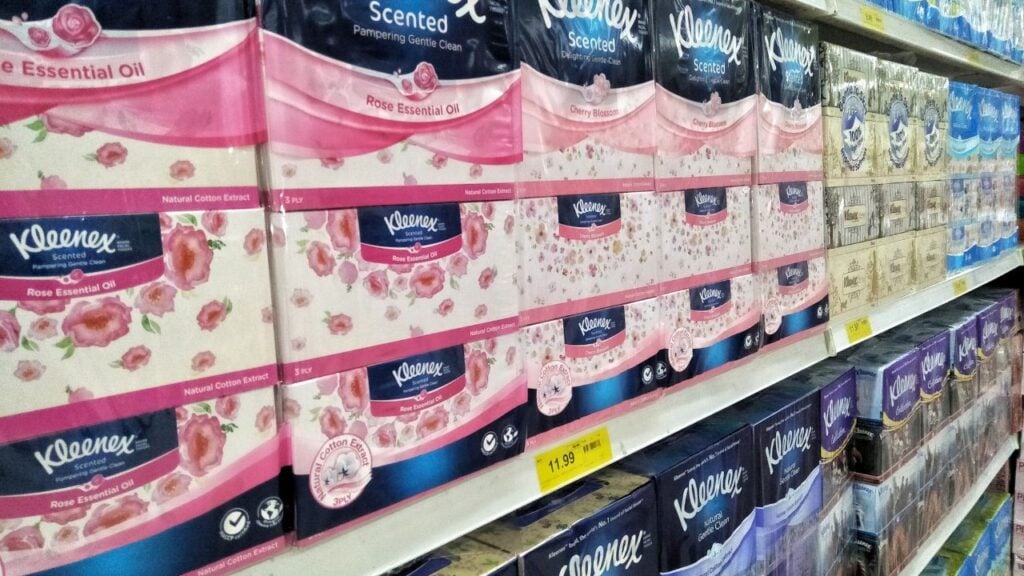
There was a time when even the most ordinary things were bursting with color.
But now?
We’ve swapped charm for minimalism, and for some reason, we all agreed to pretend it’s better. Here are some everyday things that used to be colorful but aren’t anymore.
Remember When Everything Had Color? These 18 Things Definitely Did
What Decade Were You Really Meant For?
Whether you’re dreaming of bell-bottoms or soda fountains, our Decade DNA Quiz will match you with the decade that fits your personality. No work deadlines here, just a fun escape when you need it most.
Meet Your Match. Discover Your Decade DNA. (Your Vintage Roots Are Showing)

