
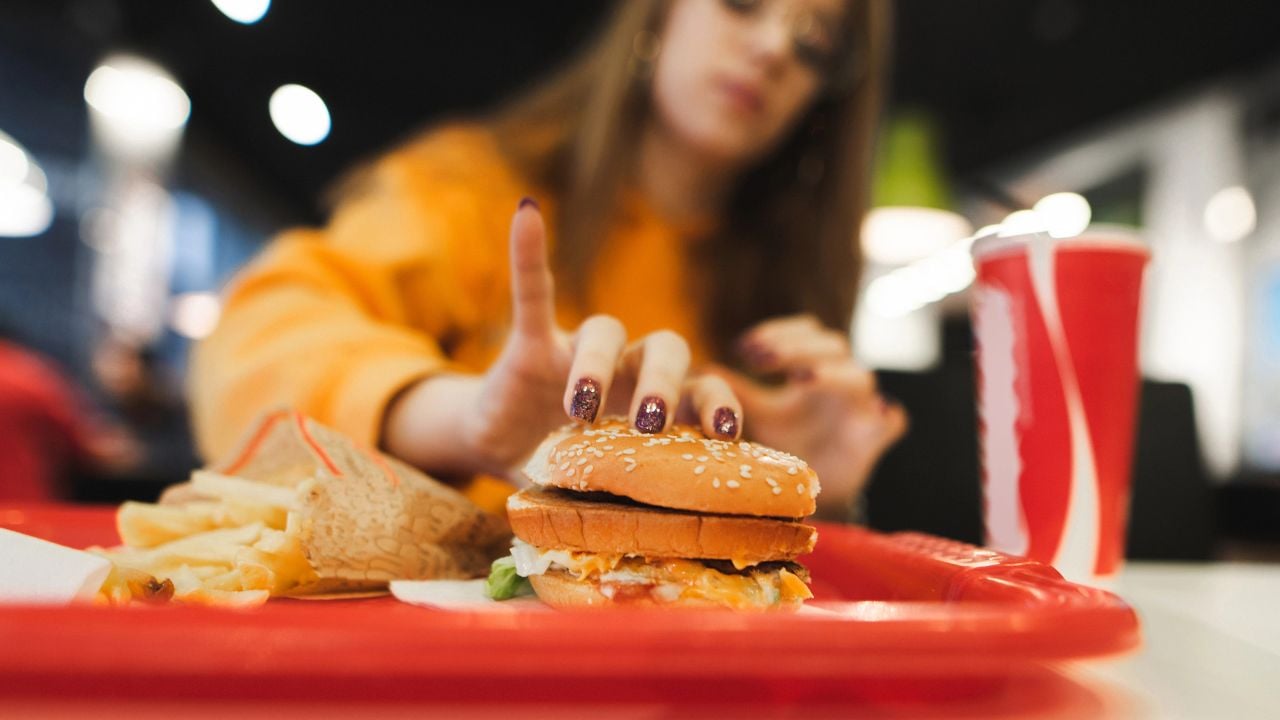
24 Tricks Chain Restaurants Use to Get North Carolinians to Spend More Money

North Carolina has its share of beloved chain restaurants, and most people walk in thinking they’ll just grab a quick meal.
But these places are full of hidden sales tactics.
You may think you’re in control. But the menu and restaurant environment are doing a lot of the decision-making for you.
Menus Use Decoy Pricing to Push You Toward Higher Options
Many chain restaurants place an extra-expensive item near the top of the menu.
It’s not meant to sell, it’s there to make everything else look more reasonable.
This makes mid-priced dishes feel like a better deal, even if they’re still marked up.
It’s a visual trick that may nudge you into spending more—or at least spending something—without realizing it.
Combo Deals Make You Buy More Than You Need
Combo meals often sound like a bargain, but they include items you weren’t planning to order.
By adding a drink and a side, the price creeps up in small increments.
Even if you didn’t want fries or soda, the “value” feels too good to pass up.
This tactic boosts the bill and the profit margin at the same time.
Servers Are Trained to Suggest High-Margin Add-Ons
Upselling isn’t random. It’s carefully coached.
Servers are often encouraged to recommend appetizers, specialty drinks, or desserts.
These items usually have higher markups than entrees.
A friendly suggestion from your server can quickly add ten or fifteen dollars to your meal.
Menu Layout Guides Your Eyes to the Most Profitable Items
Chain restaurant menus are often designed with “eye magnets” in mind.
Boxes, bold fonts, and color highlights pull your focus toward specific dishes.
These are usually the most profitable items, not necessarily the best or most popular.
It’s visual psychology used to steer your order.
Background Music Influences How Fast You Eat and Order
Chain restaurants often adjust their background music based on the time of day.
Faster music during busy hours encourages people to eat quickly and free up tables.
Slower, softer music during quieter hours can make people linger and order more.
It’s a subtle mood-setter that affects your pace and appetite.
Fancy Descriptions Make Dishes Sound Worth More
Adding words like “fire-grilled,” “artisan,” or “handcrafted” makes a simple dish seem upscale.
These buzzwords create the impression of higher value without changing much about the food.
The result is that customers are more willing to pay extra for something basic.
It’s a language trick that plays into expectations.
Portion Sizes Make You Feel Like You’re Getting a Deal
Large portion sizes create a sense of value, even when the price is high.
Many customers judge a meal based on quantity, not just quality.
Restaurants know this and use oversized meals to justify marked-up prices.
Leftovers might feel like a bonus, but you’re still paying more upfront.
Limited-Time Offers Create Urgency
Chain restaurants love to roll out seasonal specials or limited-time items.
These offers are designed to trigger fear of missing out.
Even if the item is not that unique, the temporary label makes it feel more exciting.
This can push customers to spend more than planned.
Drink Refills and Alcohol Markups Boost the Bottom Line
Free refills on soft drinks may seem generous, but they also encourage lingering.
While the cost to the restaurant is low, customers often pair drinks with more food.
Alcohol, on the other hand, comes with a massive markup.
Even one cocktail can cost three to four times what it costs the restaurant to make.
Dessert Displays Tempt You Before You Sit Down
Many chains place dessert cases near the entrance or host stand.
This plants the idea of something sweet before you even see the menu.
It’s a tactic to make customers crave dessert, even if they hadn’t planned to order one.
Visual cues can quietly shape your appetite.
High-Profit Items Get the Most Real Estate on the Menu
The largest sections of the menu are often devoted to the most profitable categories.
This might mean pasta dishes, specialty burgers, or branded entrees.
Smaller, lower-margin items are often tucked into corners.
It’s a way of gently guiding you toward what helps the restaurant most.
Happy Hour Menus Lead to Full-Price Orders
Happy hour deals bring customers in with discounted drinks or appetizers.
But once seated, many end up ordering full-priced meals or desserts.
The lower prices serve as bait, but the real profits come later.
It’s a foot-in-the-door strategy that works.
Loyalty Programs Encourage Repeat Spending
Chain restaurants use loyalty apps and rewards programs to keep customers coming back.
Points systems make diners feel like they’re earning something each time they spend.
Even small rewards can drive people to visit more often or spend slightly more.
It’s a long-term tactic that builds habits around spending.
Menus Avoid Dollar Signs to Soften the Impact
Many chain menus leave off the dollar sign next to prices.
This small design choice makes people less focused on cost.
Research shows that removing currency symbols can reduce price resistance.
It’s a subtle trick that makes higher prices feel less noticeable.
Entrées Come Without Sides to Encourage Add-Ons
Some restaurants list main dishes separately from sides, even for meals that used to be bundled.
This setup makes the entrée look more affordable at first glance.
But once you add a side and drink, the price jumps.
It’s a way to build the bill piece by piece.
Tables Are Spaced to Maximize Turnover and Upsells
Seating arrangements in chain restaurants aren’t random.
Tables are spaced to allow efficient service while encouraging quick decision-making.
Servers can easily monitor and suggest extras, while guests feel just comfortable enough to stay, but not too long.
This balance helps turn over tables and increase per-visit spending.
QR Code Menus Can Lead You Straight to the Most Profitable Items
Digital menus give restaurants more control over what you see first.
Popular and high-margin items are often placed at the top or in highlighted sections.
This reduces browsing time and pushes you toward what they want to sell.
The layout is updated frequently to steer customers more effectively.
Kid Menus Often Lead to Extra Adult Spending
While kids’ meals are usually cheap, they’re designed to encourage full family dining.
Parents often stay longer, order more drinks, and add appetizers while the kids are occupied.
Some places also offer free or discounted kids’ meals with adult purchases.
It’s a family-friendly hook that increases the total tab.
Seasonal Menus Keep Prices Fresh Without Looking Too High
Limited-time seasonal items often carry a higher price, but the novelty makes them feel worth it.
Customers are more likely to splurge on something they believe they won’t be able to get later.
Restaurants take advantage of this by cycling in new “specials” regularly.
It keeps things interesting while driving up average check sizes.
High Chairs and Booths Are Placed Strategically
Restaurant layouts often guide families and groups to certain areas.
These zones are designed to make longer visits more comfortable, which leads to more food and drink orders.
Quieter corners or booths often see higher spending than fast-moving table areas.
Even seating design helps increase profit potential.
Branded Menu Items Justify Higher Prices
Some chain restaurants create signature items with names tied to the brand.
These dishes often cost more, even if the ingredients are simple.
Customers are drawn to them because they feel unique or exclusive.
This boosts sales and helps the brand stand out from competitors.
Lighting Is Designed to Influence Mood and Appetite
Warm, dim lighting makes food look more appealing and creates a relaxed environment.
When customers feel comfortable, they’re more likely to linger and order dessert or another round of drinks.
Bright lighting, by contrast, encourages faster turnover.
Chains adjust lighting based on the time of day and target audience.
Wait Times Can Increase Appetite and Spending
Longer waits often lead to bigger orders once seated.
People build up hunger and may order appetizers, drinks, or more food than they normally would.
Restaurants sometimes overestimate wait times to make you feel relieved when seated quickly.
That good mood can translate into more generous spending.
Tabletop Tablets Push High-Profit Items
Some chain restaurants now offer tablets at the table for ordering and entertainment.
These often highlight desserts, drinks, or limited-time offers throughout the meal.
They also encourage impulse ordering by skipping the server entirely.
This technology boosts add-on sales without adding pressure.
15 Precautions Every Starbucks Customer Should Take
It might smell like heaven and sound like jazz, but Starbucks isn’t all cozy corners and caramel drizzle.
Here’s what to watch out for the next time you make a stop at your local Starbucks cafe.
15 Precautions Every Starbucks Customer Should Take
10 Mistakes People Make When Dining at the Olive Garden

Whether you’re a die-hard Olive Garden fan or just drop in when you’re craving something cheesy, there are a few mistakes that a lot of customers make when dining at the Italian restaurant. And let’s be real—nobody wants to miss out on free perks, great deals, or the best way to enjoy a meal. Find out how not to be among them.
10 Mistakes People Make When Dining at the Olive Garden
Which Classic American Decade Is Totally You?
Take a quick break and discover which classic American era matches your personality and old-school soul. Our Decade DNA Quiz is fast, fun, and full of feel-good retro energy.
Meet Your Match. Discover Your Decade DNA. (Your Vintage Roots Are Showing)


