25 Common Shopping Choices That Quietly Make Texas Stores Love You (for the Wrong Reasons)

Retailers don’t just stock shelves. They study shoppers.
Every cart size, display, and “deal” is engineered to nudge you toward spending.
These are the common shopping choices that keep Texas’s stores cheering for you… but not for the reasons you’d hope.
Choosing the Big Cart Every Time
Stores know psychology better than most shoppers give them credit for. A larger cart encourages you to fill it up.
Even if you planned on grabbing just a few items, the empty space stares back at you like a dare.
Before you know it, you’re adding “just one more” bag of chips.
It’s not just your imagination. Studies show larger carts can increase spending by as much as 40%.
That’s why those cute little half-carts are harder to find. Stores prefer you push the big one.
Shopping Without a List
Walking in blind is practically a gift to retailers. Without a plan, everything looks like it belongs in your cart.
Impulse buys become easier when you’re not anchored to a list. Suddenly, snacks, candles, and seasonal decor all feel “necessary.”
Stores intentionally design displays to take advantage of this wandering mindset. Bright endcaps and sales signs do the heavy lifting.
A list keeps you disciplined. Skipping it keeps stores happy.
Grabbing the First Item You See
Eye-level placement is never random. Brands pay for that prime shelf space.
Shoppers often assume the middle shelf is where the “best” products sit. In reality, it’s where the most profitable ones are.
The cheaper or store-brand versions are usually lower or higher up. You’ll miss them if you don’t scan the whole aisle.
That one quick grab saves you time, but costs you money.
Falling for “Buy One, Get One”
BOGO deals sound unbeatable. Who doesn’t want something free?
But retailers aren’t running charity drives. They price those promotions so the store still wins.
Often, you end up buying twice the amount you actually need and spending more overall than you intended.
The store clears inventory. You walk out with two when you only needed one.
Ignoring the Unit Price
The big bold number on the tag gets your attention. But most people skip right over the smaller unit price.
That’s exactly what stores hope for. Because ounce for ounce, the “sale” price isn’t always the best deal.
Sometimes the smaller size actually saves more. But unless you’re reading the fine print, you’ll never notice.
The flashy sign gets you. The small numbers would have saved you.
Shopping Hungry
It’s the oldest trick in the book, and stores love it.
When you’re hungry, every aisle feels like an all-you-can-eat buffet.
Suddenly, the snacks, frozen pizzas, and baked goods you didn’t plan on start looking too good to resist.
Stores don’t mind that your stomach made the decisions. They just like the bigger bill at the register.
Falling for the “Endcap Effect”
Those displays at the end of aisles aren’t just there for convenience.
Endcaps are designed to grab your attention and push impulse sales. They often feature products that stores want to move quickly.
Just because something is on an endcap doesn’t mean it’s on sale.
It just feels like a deal because it’s standing front and center.
Always Going for the Brand Name
Stores count on loyalty to big brands.
That bag of chips or box of cereal may cost 30% more than the store brand, even when the ingredients are practically identical.
The packaging, the commercials, the “known name”, they’re all baked into the price.
Choosing it feels safe. For the store, it’s just more profit.
Trusting the Word “Sale”
Not every sale is really a bargain.
Sometimes prices are marked up right before being “slashed” back down. Other times, the discount is so small it barely matters.
But seeing the word “SALE” in bold red letters has a powerful effect.
Stores don’t have to cut much. They just have to convince you they did.
Buying Seasonal Décor Too Early
That display of fall candles in August? It’s not there by accident.
Retailers push holiday and seasonal goods earlier every year to maximize your window of spending.
When you buy early, you’re more likely to buy again when the “real season” arrives.
The store gets you twice. And your garage fills up with storage bins.
Sticking to One Store Out of Habit
Familiarity feels comfortable, but stores love it when you don’t shop around.
Prices can vary wildly between retailers. Sometimes even across two locations of the same chain.
When you don’t compare, you miss out on potential savings.
Stores bank on you being a creature of habit.
Falling for “10 for $10”
It looks like you have to buy 10. But often, the fine print says “no limit.”
Still, most shoppers grab all 10 anyway. It feels like a rule.
The trick works because the sign pushes you into buying more than you planned.
The store moves extra product, and your pantry gets overcrowded.
Ignoring the Clearance Rack Games
Clearance sections feel like treasure hunts. But not every “discount” is what it seems.
Sometimes items are moved there just to catch your eye, even when the markdown isn’t big.
Other times, clearance items were overstocked to begin with, making them less of a deal than you think.
Stores love it when you feel like you’re winning, even if you’re not.
Buying Bottled Drinks One by One
That $3 bottle of soda at checkout is practically pure profit for the store.
Individually priced drinks have some of the highest markups in the building.
It’s convenient, yes. But buying them adds up fast.
Stores would never complain if you kept grabbing one with every trip.
Believing Bigger Packs Are Always Cheaper
The jumbo pack feels like the logical choice. More for less, right?
Not always. Sometimes the “family size” actually costs more per ounce.
Retailers know most shoppers don’t do the math. They just trust the bigger box.
That trust keeps store profits oversized, too.
Always Shopping the Middle of the Store
Fresh produce and dairy usually sit on the outer edges. The center aisles are where the processed goods live.
Stores design it this way so you have to walk past dozens of tempting extras to get to your basics.
The longer you wander, the more you spend.
That’s not a coincidence. It’s retail strategy.
Forgetting Coupons Exist
Stores don’t mind if you skip them. In fact, they prefer it.
Coupons cut into profit margins. That’s why many are hidden in apps or require extra steps to access.
If you’re not willing to click, print, or scan, the store keeps the full price.
Convenience wins for them. Cost wins for you only if you make the effort.
Buying from the Checkout Lane
Those tiny shelves packed with gum, candy, and travel-size items are gold mines for stores.
Shoppers waiting in line are distracted and more likely to grab something impulsively.
Each item may seem small, but multiplied by millions of customers, the profit is massive.
Stores don’t just love your patience. They profit from it.
Falling for Loyalty Programs
Rewards cards sound like a way to save. But often, they just encourage you to spend more.
By tracking your habits, stores know exactly what to tempt you with.
Those targeted coupons aren’t random. They’re designed to get you back in sooner, and buying more than you planned.
The “free points” are never as free as they feel.
Buying What’s at Eye Level for Kids
Have you ever noticed how sugary cereals are placed low on the shelf? That’s so children see them first.
Parents often cave when kids beg for what’s at their eye level.
It’s a clever move by retailers, and it works more often than not.
The battle is lost before you even hit the next aisle.
Paying Extra for Pre-Cut Produce
Those pre-sliced melons or bags of shredded lettuce are convenient, sure.
But they often cost two to three times more than the whole version.
Stores know shoppers will pay for saved time.
The profit margin on prepped produce is one of the biggest in the building.
Buying Trendy Seasonal Items
Pumpkin spice everything in fall. Peppermint-flavored treats in winter. Limited-edition drinks in summer.
Retailers love trend-based shopping because the urgency makes people buy faster.
Once it’s gone, it’s gone, or so they want you to think.
You’re not just buying a product. You’re buying the fear of missing out.
Skipping the Generic Medicines
Name-brand painkillers or allergy tablets often cost twice as much as generics.
The catch is that they usually have the exact same active ingredients.
Stores stock both because they know some shoppers will always default to the brand name.
It’s a small decision that pays them big.
Trusting “Family Packs” of Snacks
That giant box of chips looks like it will save you money.
But often, you’re just getting smaller bags at a higher per-ounce cost.
It feels efficient. In reality, it’s just clever packaging.
Stores win on the illusion of value.
Always Grabbing “New” Products
When you see the word “NEW” on packaging, it sparks curiosity.
Retailers love this because curiosity usually equals sales.
Even if the product isn’t on your list, you’ll justify trying it “just this once.”
Stores hope that once is enough to make you a repeat buyer.
12 Items You’re Better Off Buying at Dollar Tree Than Walmart

Everyone loves a good deal, right? But sometimes, people think the cheapest option is always at Walmart—until they step into a Dollar Tree.
Sure, you won’t find fancy brands or the latest electronics. But for everyday stuff, these items from Dollar Tree can save you a ton of money.
12 Items You’re Better Off Buying at Dollar Tree Than Walmart
12 Precautions to Take When Shopping at Dollar Tree
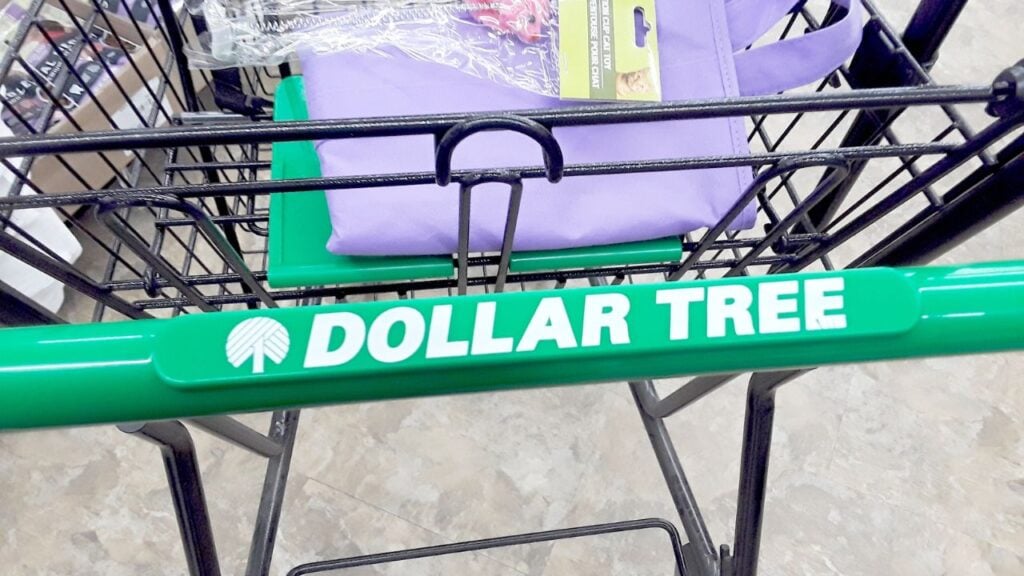
It’s hard not to get a little giddy at Dollar Tree stores. Everything looks like a deal, and it’s so easy to think, “Oh, it’s only a dollar!” (Well, $1.25 now, but who’s counting?)
But from sneaky expiration dates to breakable gadgets, here’s how to shop smarter at Dollar Tree.
12 Precautions to Take When Shopping at Dollar Tree
Think You Belong in a Different Decade?
From big bands to big hair, our playful Decade DNA Quiz reveals which classic American era fits your personality best. It’s fast, fun, and full of vintage flair.
Meet Your Match. Discover Your Decade DNA. (Your Vintage Roots Are Showing)