
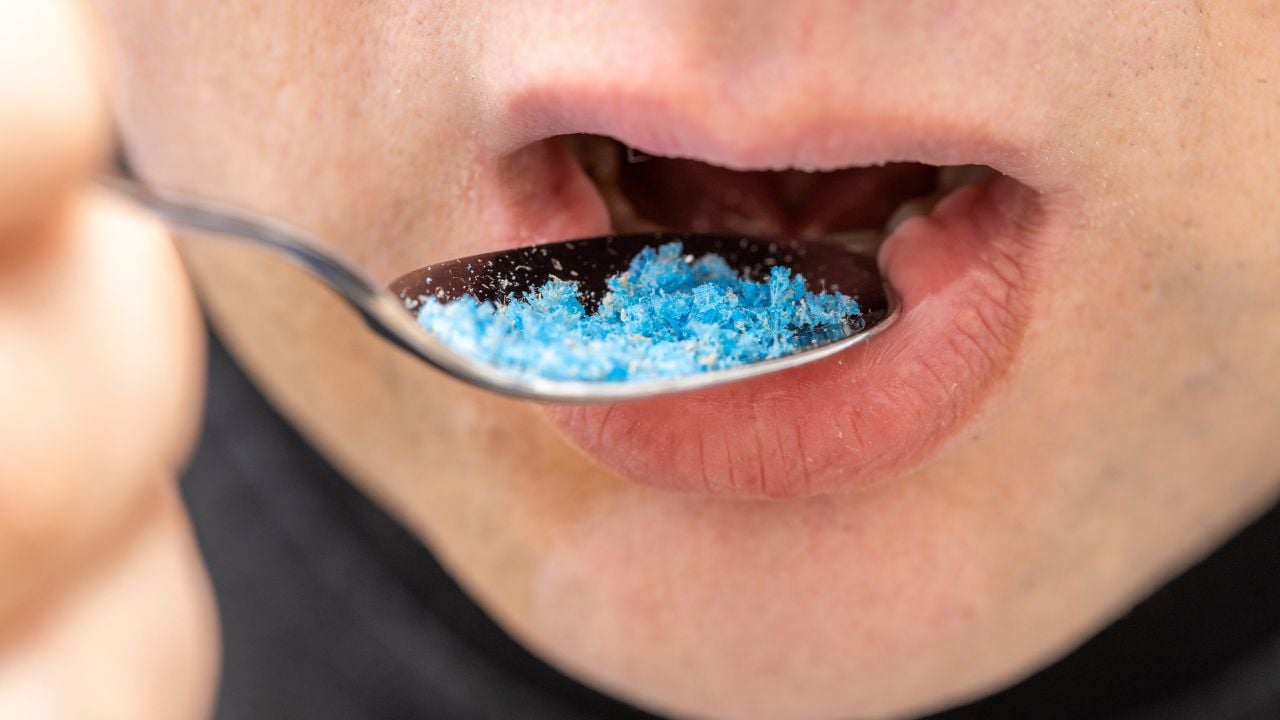
25 Easy Strategies for Reducing Your Microplastic Exposure in Maine

We hate to be the bearer of bad news, but microplastics are woven into the everyday lives of many Mainers. They slip into bottled water, cling to clothes fresh from the dryer, and even sneak into a shake of table salt.
Not exactly the flavor anyone asked for.
The upside? Cutting back on microplastics is possible and doesn’t mean a full lifestyle overhaul.
With these simple changes, you can lower your daily microplastic exposure without giving up convenience.
Switch From Plastic Tea Bags to Loose-leaf or Paper-only
Those silky mesh and “premium” plastic tea bags can release billions of microplastic particles in a single cup.
That’s a lot for one cozy moment.
Instead of using plastic tea bags, prepare loose-leaf tea with a stainless infuser or choose unsealed paper bags without plastic heat seals. You’ll still get that perfect steep.
Read labels for “nylon,” “PET,” or “polypropylene” and skip those. Your kettle won’t miss them.
See the data on plastic bags shedding particles during brewing.
Prep Infant Formula Following Low-Plastic Steps
Infant bottles made of polypropylene can shed microplastic particles when heated and shaken.
Tiny tummies deserve gentler handling.
To avoid this issue, mix the formula in non-plastic containers when possible, let the water cool slightly, then pour it into the bottle. Consider glass bottles with silicone sleeves.
Stick to careful cleaning routines, avoiding harsh brushes that gouge plastic.
Swap Plastic Cutting Boards with Wood or Bamboo
Knife grooves in plastic boards are microplastic factories. Wood or bamboo is durable and pleasant to chop on.
If you keep one plastic board for raw meats, rotate it out at the first deep scoring.
Hand-wash and stand boards to dry fully. A little mineral oil keeps wood in good shape.
Microparticle shedding from cutting boards shows up in this kitchen-prep study.
Use a HEPA Vacuum and Damp-Dust Routine
Indoor air and household dust are major routes of microplastic exposure.
A HEPA filter actually captures those fibers.
Vacuum rugs and upholstery weekly, then damp-dust flat surfaces so particles don’t go airborne again.
Crack a window while cleaning to move air through.
Improve Ventilation Where You Spend the Most Time
Bedrooms, home offices, and car cabins can concentrate microplastics and other fragments you don’t want to be breathing in.
Fresh air helps. Open windows when the outdoor air quality is decent. Use exhaust fans when cooking and cleaning.
In cars, switch from “recirculate” to fresh air periodically.
Choose Natural-fiber Clothing for Daily Wear
Laundry is a huge source of aquatic microplastics. Less shedding starts in the closet.
When you buy new staples, pick cotton, linen, wool, or blends with lower synthetic content.
Wash synthetics less often and on gentle cycles to reduce turbulence.
Laundry-lint dominance in freshwater is outlined in this freshwater snapshot.
Add a Washing Machine Filter or Microfiber Catcher
If you do wear synthetics, capture more microplastic-filled fibers before they hit wastewater.
Inline filters and in-drum devices are getting better and easier to maintain.
Clean them by putting the waste into your trash can, not your sink.
A recent overview of high-capture designs is highlighted in this filter innovation note.
Drink More Tap, Less Bottled, and Treat It Smartly
Bottled water often contains nanoplastic particles. Reusable bottles can significantly reduce your microplastic exposure.
If your tap water has taste issues, use a certified filter and maintain it on a schedule.
For a simple boost, boil then filter hard tap water to remove many particles.
Never Microwave Food in Plastic
Heat and plastic are not friends. Microwaving spikes particle release.
Transfer your leftovers to glass or ceramic before reheating.
Label “microwave-safe” only means it won’t warp, not that it won’t shed microplastics.
Don’t believe us? Here’s lab evidence of a larger release of microplastics under microwave heating.
Swap Plastic Sponges for Plant-based Cloths and Brushes
Many sponges and microfiber cloths shed microplastics as they age.
Cellulose dishcloths, loofah sponges, or natural-fiber brushes are a better option that clean well and last a long time.
Wash these sponges and cloths at lower speeds so reusable cloths don’t fray fast.
Be Choosy About Kettles and Very Hot Water in Plastic
Boiling water in plastic kettles is almost a sure-fire way to release microplastics. A stainless steel or glass kettle is a simple switch.
Avoid steeping very hot liquids in plastic travel cups. Let drinks cool before pouring them into any plastic.
If you must use a plastic kettle, replace it when it clouds or scratches.
A materials-based kettle study explored microplastic particle release in boiling conditions.
Avoid Leaving Bottled Water in Hot Cars
Heat plus sunshine speeds the degradation of plastic bottles.
To prevent this microplastic situation, keep a stainless steel bottle in your bag and refill it from a filtered tap.
Toss heat-stressed bottles into recycling instead of drinking from them.
Rethink Nonstick and Damaged Plastic Cookware
Old, scratched plastic tools and some coatings can shed more microplastics with wear and heat.
Favor cast iron and stainless steel utensils for high-heat tasks.
If you own a plastic utensil that’s nicked or rough, retire it.
This wear-and-tear study explains why the age of cookware and heat matter.
Wash Plastic Food Containers by Hand, Not in the Dishwasher
Hot water, alkaline detergents, and abrasion in dishwashers increase microplastic shedding.
So, it’s better to hand-wash plastics gently and air-dry. Even better, replace them with glass storage containers over time.
If you do run plastics in your washing machine, use cooler, shorter cycles.
Use Wood or Bamboo Utensils for Chopping and Scraping
Plastic scrapers and spoons scuff pans and shed microplastics themselves. Wood is kinder to cookware.
Keep a small sandpaper square to smooth rough wooden edges.
Replace any utensil that flakes, peels, or smells odd after heating.
Consumer Reports covers how to choose safer kitchen tools.
Reduce Single-use Plastics in Your Grocery Routine
Skip produce bags, grab a canvas tote, and look for products packaged in paper, glass, or metal. All of this will help you reduce your exposure to mircoplastics.
Buying bulk dry goods in jars also helps cut plastic.
Need more help on where to start? This food exposure guide shares everyday shopping swaps.
Boil and Filter Tap Water if You Live With Hard Water
Hard water can trap particles into limescale, including microplastics. That’s why it’s important to boil and filter hard water.
Bring water to a boil, cool, and pour through a standard filter pitcher.
Don’t forget to check your filter replacement dates. They matter.
Choose Sea Salt Thoughtfully and Rotate Brands
Studies have measured plastic particles in some salts. That doesn’t mean ditch salt. It means be smart.
Use a mix of sources, and try mined salts too.
Store salt in airtight containers so that kitchen dust doesn’t add potentially more microplastics.
Skip Loose Plastic Glitter and Microbead-style Craft Bits
Glitter is basically pre-made microplastic. The sparkles sneak everywhere.
Choose cellulose or mineral alternatives labeled biodegradable in real-world conditions.
Confetti made from paper or dried petals scratches the festive itch without the fallout.
In fact, the European Union even has a ban on intentionally added microplastics like glitter. Shall we get on board with them, America?
Keep Wet Wipes and “flushables” Out of Toilets
Many wipes and other supposedly flushable items contain synthetic fibers that break down into microplastics.
So, toss your wipes in the trash can and use cloth where practical at home.
If you absolutely must use flushable wipes, look for fiber-filled ones and avoid plastic-based.
Treat Your Car Like a Small Room That Needs Fresh Air
Dashboards, seats, and mats can shed microplastics, especially in hot weather.
So, it’s wise to open your windows before turning on the air conditioning.
Furthermore, vacuum floor mats weekly and keep a small handheld vacuum with a HEPA filter in your garage.
Evidence for high in-vehicle microplastic levels appears in this recent inhalation estimate.
If You Smoke, Know That Filters Are Plastic and Shed Fibers
Cigarettes contain cellulose acetate, a persistent plastic that can break down into microplastics.
Quitting smoking is the best way to prevent ingesting these particles.
If you don’t plan on quitting smoking, at the very least, use pocket ashtrays and never flick butts.
Keep Perspective, Keep Going, and Make the Easy Swaps First
No one eliminates exposure entirely. Start with the big wins and build habits.
Swap your tea bags, cutting board, and microwave containers. Ventilate and vacuum smarter.
You’ll cut a surprising amount of microplastics in a month by doing these things.
24 Items That Have Alarmingly High Levels of Microplastics
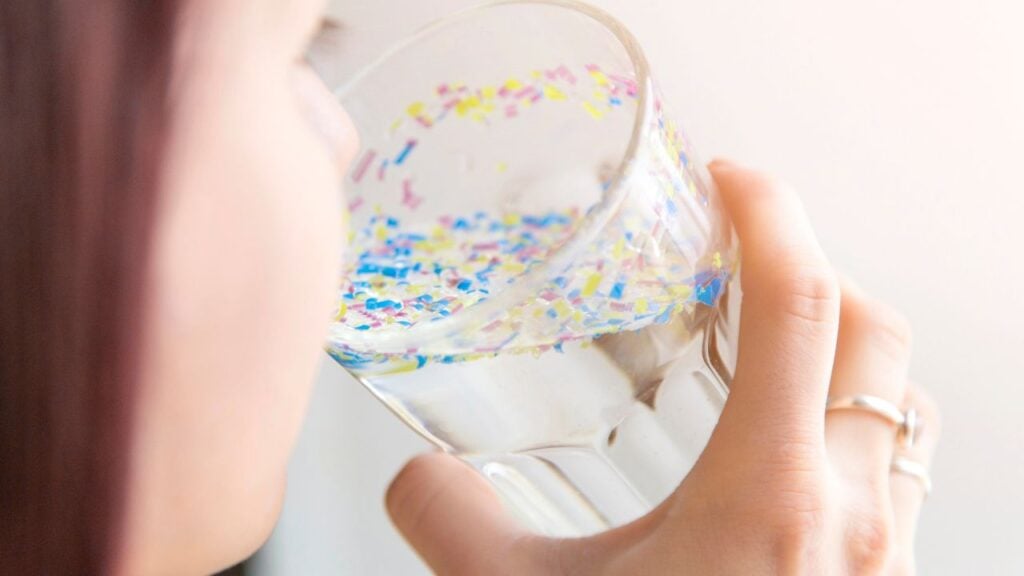
You can’t see, smell, or taste microplastics. But research reveals they’re showing up in our everyday lives.
Here are 24 common items where microplastics hide and why you need to pay attention.
24 Items That Have Alarmingly High Levels of Microplastics
Remember When Everything Had Color? These 18 Things Definitely Did
There was a time when even the most ordinary things were bursting with color.
But now?
We’ve swapped charm for minimalism, and for some reason, we all agreed to pretend it’s better. Here are some everyday things that used to be colorful but aren’t anymore.
Remember When Everything Had Color? These 18 Things Definitely Did
Think You Belong in a Different Decade?
From big bands to big hair, our playful Decade DNA Quiz reveals which classic American era fits your personality best. It’s fast, fun, and full of vintage flair.
Meet Your Match. Discover Your Decade DNA. (Your Vintage Roots Are Showing)

