

26 Health Hacks Older Adults Swear By. How Many Do You Follow, Texans?

You don’t need a smartwatch or a $15 smoothie to live well in your golden years. Just ask any older adult who’s been thriving for decades.
Their wellness routines came before yoga mats and hydration influencers, and they’re still going strong.
Here are the health hacks older Texans and Americans across the country use, and why they might outsmart every new “biohack” on social media.
Social Calendars That Stay Full
Isolation can wreak havoc on both body and mind. Older adults who thrive make social connection a priority.
They continually show up to church groups, bridge clubs, coffee meetups, and more.
Regular interaction helps maintain cognitive function, reduces depression, and gives life more meaning.
Older people who are healthy often understand something modern wellness influencers overlook: laughter with friends is its own form of medicine.
Keeping Humor Alive
Life gets heavy. Some of the healthiest older adults know the value of a good laugh.
Whether it’s old sitcoms, corny jokes, or teasing their grandkids, they keep humor woven into their days.
Laughter lowers stress hormones, boosts immunity, and makes ordinary moments more fulfilling.
They remind everyone around them that joy doesn’t have an age limit.
Morning Sun Before Morning Coffee
Before touching the coffeemaker, many older adults step outside for a few minutes of natural sunlight.
That light exposure helps set their circadian rhythm, boosting energy and improving sleep quality later on.
Think of it as nature’s “on” switch. A short walk on the porch or even opening the curtains wide can work wonders.
It feels good to soak in a little warmth before the day officially begins. It’s free, fast, and surprisingly effective.
An Afternoon Walk
You’ll spot them after lunch: groups of retirees in sneakers, chatting as they stroll around the neighborhood. This isn’t just social time. A post-meal walk can significantly improve blood sugar levels and aid digestion.
It’s not a marathon. Ten to fifteen minutes is enough to make a difference.
And unlike gym memberships, sidewalks are gloriously free.
Many say this daily walk clears their heads and gives them something to look forward to, especially when there’s a good gossip session involved.
Hydration Without Overcomplication
You won’t see them clutching gallon jugs or fancy electrolyte packets. Many healthy older adults keep it simple: a glass of water with meals, a refillable cup by the chair, and maybe a squeeze of lemon if they’re feeling fancy.
They know dehydration can sneak up fast, especially since thirst signals dull with age. So they build hydration into their routines instead of relying on random reminders.
The result? Fewer headaches, better digestion, and skin that doesn’t feel like the Mojave.
The 20-Minute Power Nap
While many younger adults run on caffeine fumes, many healthy older adults embrace the short nap.
A quick 15–20 minute doze after lunch can restore alertness without wrecking nighttime sleep.
It’s not laziness. Research shows power naps boost memory, improve mood, and reduce stress.
They’ve mastered the timing: too short and it’s pointless; too long and you wake up in a fog wondering what year it is. The sweet spot is just right.
Weekly Stretch Sessions (Even If It’s in the Living Room)
Whether it’s gentle yoga, chair stretches, or a simple floor routine, many healthy older adults swear by regular flexibility work.
It keeps joints from stiffening up and reduces the risk of falls.
Some follow along with old VHS tapes or YouTube videos. Others just do the same five moves they’ve done for years. Consistency is the magic ingredient.
They may not be aiming for the splits, but they do want to keep bending down to pick up their grandkids and their keys.
Saying No to “Just in Case” Meds
It’s tempting to pop a painkiller at the slightest hint of discomfort, but older adults who age well tend to be strategic with medication.
They follow prescriptions carefully and avoid unnecessary extras.
Many consult their pharmacists regularly to make sure nothing’s interacting poorly. Some even keep meticulous pill organizers that put younger folks’ planners to shame.
They’ve learned that less is often more when it comes to daily meds.
A Bedtime Ritual That Never Changes
Bedtimes may not be glamorous, but routine is everything. Healthy older adults tend to stick to a regular sleep schedule, even on weekends.
No late-night doomscrolling, no “just one more episode” marathons.
They dim the lights, make a cup of herbal tea, read a bit, and call it a night. Over time, this trains the body to fall asleep quickly and wake up naturally.
While younger generations chase sleep hacks, they quietly stick to the basics that work.
Gardening as Cardio
Pulling weeds, hauling watering cans, and crouching to plant seedlings make gardening a full-body workout in disguise.
Many healthy older adults get their daily movement not from the gym but from their backyard.
Beyond the physical benefits, it’s a mental health booster. Studies link gardening with reduced stress and increased happiness.
Plus, they get the bonus of fresh tomatoes and flowers as a reward.
Taking the Stairs
Elevators are convenient, but many healthy older adults swear by choosing stairs when possible.
It’s a low-impact way to build strength, boost heart rate, and keep balance sharp.
They’re not sprinting up skyscrapers, but a few flights here and there add up.
Over the years, this simple choice can make a noticeable difference in mobility.
Prioritizing Annual Checkups
Many healthy older people keep doctor appointments the way they keep dinner reservations: on time, every time. They don’t skip annual checkups, dental cleanings, or vision screenings.
Early detection is a game-changer for countless health issues.
They know catching something early is far easier than dealing with complications later.
You’ll rarely hear them say, “I’ve been meaning to schedule that.”
Comfortable Shoes Over Cute Shoes
Foot pain is no joke, and older adults figured that out the hard way decades ago. That’s why they invest in supportive shoes with good arches and sturdy soles.
They’d rather stroll pain-free than suffer through stylish but torturous footwear.
Many rotate pairs to avoid wearing down pressure points.
The bonus? Fewer falls, better posture, and happier knees.
Staying Curious and Learning New Things
Brain health isn’t just about crossword puzzles. Many healthy older adults keep their minds sharp by learning new skills, from playing instruments to tackling technology.
They don’t let age dictate curiosity.
Signing up for community college classes or downloading language apps keeps their brains firing.
This habit has a powerful ripple effect: confidence, adaptability, and a sense of purpose.
Daily Gratitude (Even Quietly)
Gratitude journals aren’t just for influencers. Many healthy older adults end their days by mentally listing things they’re thankful for.
This simple practice lowers stress, improves sleep, and boosts overall well-being.
Some jot it down; others just reflect during evening tea.
It’s not performative, it’s grounding.
Home Safety Tweaks They Actually Follow Through On
While some people ignore the loose rug in their living room until disaster strikes, healthy older adults who stay independent often modify their homes proactively.
Grab bars in the bathroom, better lighting, and slip-resistant mats are all upgrades they make.
These adjustments don’t just prevent falls. They build confidence to move freely without fear.
Think of it as preventative maintenance, but for living spaces.
Limiting Processed Foods (Without Obsessing)
They’re usually not counting macros, but many healthy older adults instinctively favor real foods.
Fresh produce, lean proteins, and whole grains are their go-to.
Processed snacks are occasional treats, not daily staples. This balanced approach keeps inflammation in check and energy steady.
Their secret is also cooking at home more often than not.
Listening to Their Bodies
Older adults who age gracefully have one underrated skill: listening to their bodies.
If they’re tired, they rest. If something feels off, they check it.
They don’t ignore warning signs to power through. Over time, this self-awareness prevents burnout and injury.
It’s the opposite of the “hustle harder” mentality, and it works.
Saying Yes to Hobbies, No to Aimless Doomscrolling
Instead of losing hours online, many healthy older adults spend their time on hobbies: painting, puzzles, woodworking, knitting, you name it.
These activities keep hands busy, minds engaged, and screens at bay.
It’s a different kind of stimulation, one that leaves them feeling accomplished instead of drained.
The best part? They often produce something beautiful or useful in the process.
Saying “No” Without Guilt
People-pleasing is exhausting. Older adults who thrive set boundaries.
They politely decline invitations when they’re tired, skip events they don’t enjoy, and protect their time.
It’s not selfish; it’s smart self-preservation. By saying no strategically, they can say yes to the things that truly matter.
This quiet skill is one many younger Americans could stand to learn.
Embracing the Outdoors Year-Round
Whether it’s a brisk winter walk or sitting under the summer shade, healthy older adults often spend time outdoors regularly.
Nature exposure lowers stress, boosts mood, and supports immune function.
It doesn’t have to be a hike in the mountains. Sometimes it’s just a park bench and a gentle breeze.
They don’t wait for perfect weather. They adapt and go anyway.
Faith or Spiritual Practice That Grounds Them
For many healthy older adults, faith or spiritual rituals anchor their lives.
Whether it’s weekly services, daily prayer, or quiet meditation, these practices provide structure and meaning.
This isn’t about dogma, it’s about stability. Rituals create a rhythm that brings comfort and resilience in tough times.
It’s a quiet but powerful part of their health toolkit.
They Keep Moving, Even When It’s Not “Exercise”
They don’t always call it a workout, but healthy older people are always moving.
Tidying the house, dancing in the kitchen, walking to the mailbox, it all counts.
This non-exercise activity keeps their metabolism active and muscles engaged throughout the day.
While some younger adults are glued to desks, they’ve woven movement into daily life.
Annual “Declutter Days”
Clutter piles up fast, and healthy older adults who maintain calm homes often schedule yearly declutter sessions.
Clearing out old clothes, paperwork, and random junk creates mental clarity and reduces anxiety.
They’ve learned that a tidy space genuinely affects how they feel.
Planning for the Future Without Fear
Many healthy older adults maintain peace of mind by handling future plans, wills, insurance, and health directives without avoiding the uncomfortable.
It’s not morbid. It’s responsible.
By taking care of these details, they free themselves (and their families) from unnecessary stress.
It’s one of the most overlooked “health hacks” of all.
17 Life Hacks That Are Harder Than the Non-Hack

Life hacks are supposed to make your life easier, and sometimes they really do. However, the internet is rife with hacks that aren’t actually effective.
17 Life Hacks That Are Harder Than the Non-Hack
24 Items That Have Alarmingly High Levels of Microplastics
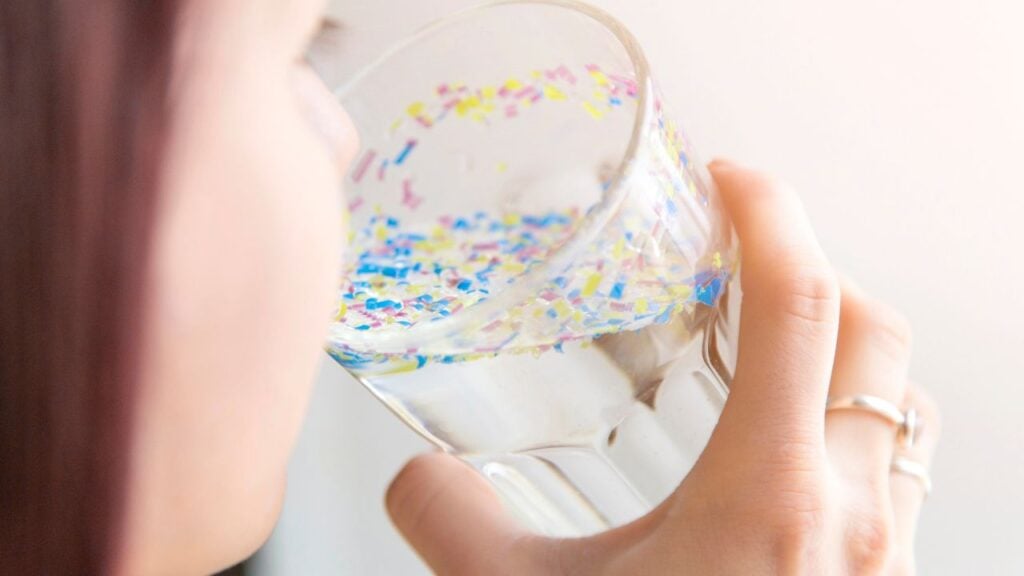
You can’t see, smell, or taste microplastics. But research reveals they’re showing up in our everyday lives.
Here are 24 common items where microplastics hide and why you need to pay attention.
Think You Belong in a Different Decade?
From big bands to big hair, our playful Decade DNA Quiz reveals which classic American era fits your personality best. It’s fast, fun, and full of vintage flair.
Meet Your Match. Discover Your Decade DNA. (Your Vintage Roots Are Showing)

