
3 Things Chincoteague’s Wild Ponies Do Once Winter Sets In That Most Virginians Never See

You’ve watched the Chincoteague ponies swim in July, but you might not think about where they go the rest of the year.
Winter is a different season on the island.
Here’s what Chincoteague’s wild ponies do once winter sets in that most Virginians never see.
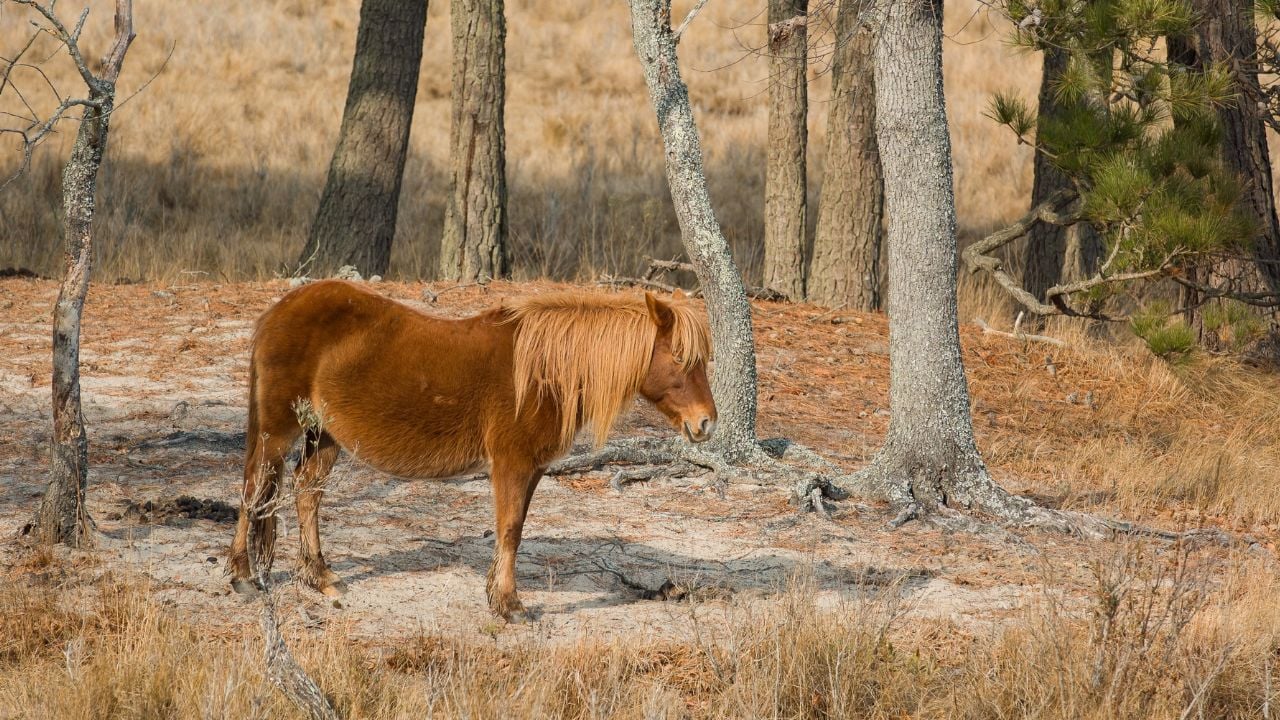
1. Thick Winter Coats
During winter, Chincoteague’s ponies grow coats that become quite thick to protect them from the harsh winds, according to the Maryland Department of Natural Resources.
The refuge says the ponies have lived on the island for roughly 200 to 300 years, adapting to life near the ocean.
If you visit in winter, those thick coats are what you’ll see.
2. Browsing in Shrub Thickets
When winter turns damp and chilly, Chincoteague’s ponies prefer to browse in shrub thickets, according to chincoteague.com.
Cord grass remains the staple, though, since the National Park Service says Assateague’s horses feed primarily on saltmarsh cord grass.
They’ll also eat greenbrier and bayberry.
That diet is hard on their teeth, since a 2005 newspaper article says abrasive salt marsh cordgrass wears the ponies’ teeth down as they age.
So if you’re scanning for ponies on a winter day, check the brush as well as the marsh.
3. Sheltering From Storms
During the Ash Wednesday storm of 1962, the island’s ponies sheltered in forests and gathered in clusters with their rears to the wind.
But the surge rose anyway.
Most of the ponies on Assateague Island drowned, according to virginiaplaces.org.
Psst! How much do you know about Assateague’s wild ponies? Take our quiz and see if you can ace it.
Quiz
Assateague Pony IQ
Answer these questions on Assateague’s wild ponies and the people who look after them. We bet you can’t get them all right. Prove us wrong?
A popular legend says Assateague’s ponies swam ashore from a shipwrecked Spanish galleon. What do historians think is the likelier origin?
Hay During Snow and Ice
Chincoteague's ponies get hay when winter turns harsh with snow and ice, according to chincoteague.com.
The Chincoteague Volunteer Fire Company, which owns the ponies, provides it.
One local TV station reported the company dropping off hay for both herds ahead of cold weather.
The ponies ate right away.
If you picture the herd fending for itself all winter, a hay drop like that adjusts the picture.
Digging Through Snow
Chincoteague's ponies graze on salt hay, a mix of marsh and dune grasses.
As a year-round diet, salt hay has limited food value.
An 1843 book on horses says the small beach horses of the Maryland and Virginia seaboard dig through snow in search of food when it covers the ground for a few days.
Dinner took digging.
You might not think of snow on Chincoteague, but the island gets occasional snowstorms, according to chincoteague.com.
Two Herds on One Island
Chincoteague's ponies are one of two herds on Assateague Island, separated by a fence at the state line.
The Chincoteague Volunteer Fire Company manages Chincoteague's herd, and the National Park Service manages the Maryland herd.
So if you're reading about Assateague's ponies, check which side of the fence the story covers.
Pony Penning and Vet Care
Pony Penning is a July event for Chincoteague's ponies, when the herd is rounded up and swum across on the last Wednesday of the month.
If you want to see the swim, plan for July, not winter.
Most young foals are auctioned the next day, and the proceeds go to the fire company.
Some ponies are sold through buyback arrangements, in which the buyer names the pony and it returns to the island.
Maryland's managers use contraception and no round-ups, while Chincoteague's herd is managed through round-ups and sales.
Money from the annual pony auction and carnival also pays for vet care, according to chincoteague.com, which lists checkups three times a year in spring, summer and fall.
Vets also watch for Pythium insidiosum, a water mold that killed several Chincoteague ponies between 2017 and 2019.
The fire company has since been vaccinating the herd against it.
Seeing Them in Winter
Chincoteague's ponies are visible daily year round in the refuge's marshes and maritime forests.
You can view the south herd from pull-offs along Beach Road and from the Woodland Trail observation platform.
The north herd can only be reached by scenic tour boat or wildlife bus tour, according to chincoteague.com.
The bus tour is available only seasonally, so check before you plan around it.
The Assateague Lighthouse opens seasonally for the climb.
Safety and the Wildlife Loop
At Assateague Island National Seashore, the National Park Service asks you to stay at least 40 feet from wild horses.
Feeding them is harmful too, since the park says animals that learn to beg are more likely to be injured by vehicles.
Chincoteague's Wildlife Loop opens to cars from 3 p.m. to dusk, and it's always open to hikers and bikers.
Hours can change, so confirm winter hours with the refuge before you drive out.
6 Virginia Restaurants That Closed and Are Still Missed
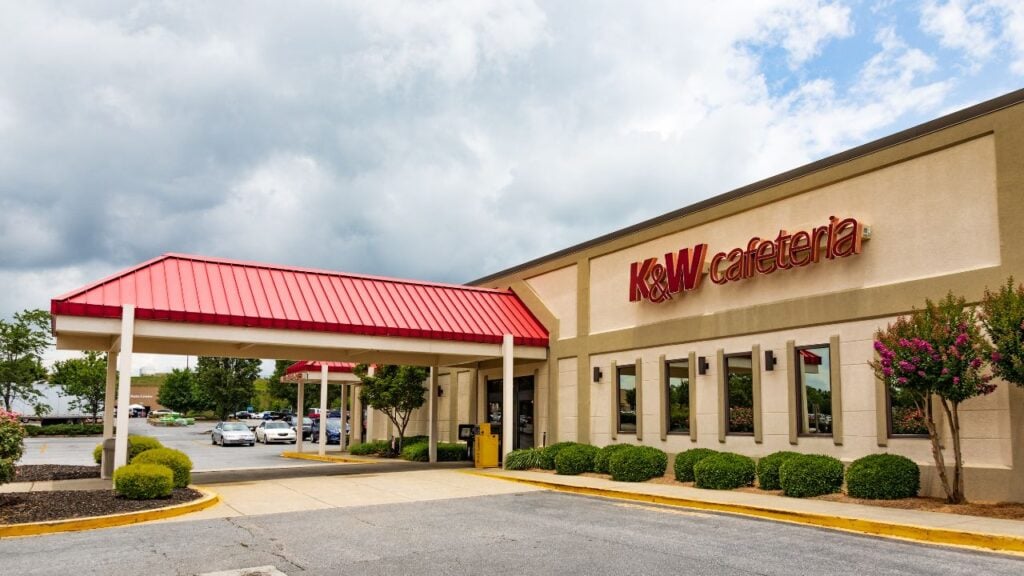
Which closed Virginia restaurants do you still miss?
The comments filled up fast, and the answers say a lot about what a restaurant can mean to a town.
6 Virginia Restaurants That Closed and Are Still Missed
7 Virginia Fall Traditions That Can Only Happen in One Place

Some fall traditions happen in only one spot in Virginia.
Even lifelong residents may not have heard of all of them.
7 Virginia Fall Traditions That Can Only Happen in One Place
