
3 Unwritten Rules of Living Up a West Virginia Hollow That Newcomers Break

Move up a West Virginia hollow, and the road isn’t the only thing that takes getting used to.
Neighbors have ways of doing things built up over generations, and newcomers can step wrong without meaning to.
Here’s what to understand about hollow life before you settle in.
Note: This is general information, not legal advice. Property laws and required notices are subject to change.
1. Swapping Work
Swapping work mattered to hollow families, the West Virginia Encyclopedia says in its entry on material culture.
Just a few families settled most hollows, and all of them depended on the land to survive.
Extended families and close kin provided the bulk of the collective labor for raising cabins, barns and fences.
Shared-labor events included the heavier tasks of farming as well as building.
Many called them “workings.”
If you live up a hollow, you may have helped with a working yourself.
A Goldenseal history describes Mission Ridge, a community settled early in the 19th century in the hollows out back of West Columbia.
Its people worked, played and worshiped together.
2. Being Vouched For
A neighbor vouched for a newcomer, as one Goldenseal essay shows.
Writer Joe McHugh bought an 80-acre working farm in the hills of central West Virginia.
He described living at the head of a holler, with a dozen or so neighbors farming down along Wolf Pen Run.
Those neighbors advised him on when to plant potatoes and how to sow beans among the corn, and some let him borrow their tools.
If you live up a hollow, you may have heard advice like that yourself.
According to the encyclopedia, long-established residents’ responses to the 1970s back-to-the-land newcomers varied, from amused neighborliness to outright hostility.
That depended in part on whether the newcomers accepted advice and respected local customs.
One Sunday, McHugh walked down the holler to an older neighbor’s house, knocked and sat down to coffee at the kitchen table.
Later, Bud at Butcher’s General Store told him that the older neighbor had gone to nearly every farm around to vouch for him.
He had no idea.
3. Graveyard Work
Graveyard work came to McHugh when an older neighbor down the holler asked him to help dig a grave at the cemetery beside the neighbor’s church.
Three men dug it.
Two were in their mid-seventies, and McHugh was 24.
McHugh wrote that grave digging was a ritual of long standing.
He suspects the invitation was the neighbor’s way of weaving him into the community.
Volunteers dug many graves, especially in family graveyards and country churchyards, the West Virginia Encyclopedia says in its entry on burial customs.
When a neighbor asks you to help dig a grave, you join those volunteers.
Some rural communities still hold memorial services.
Families gathered to clean the graveyard and decorate the graves.
The service often lasted much of the day, with “dinner on the ground” at noon.
Reaching a Private Graveyard
West Virginia Code 37-13A-1 gives a family member, close friend or descendant of a person buried in a private graveyard the right to reach it during reasonable hours.
That right applies only when the graveyard has no public way in.
Before you visit, the code requires reasonable notice, meaning written notice of the date and time, delivered to the owner at least 10 days ahead.
Under 37-13A-2, the owner must give you access within 10 days of receiving your notice.
If you’re installing a monument or grave marker, your notice must also describe it.
A landowner who acts in good faith and in a reasonable manner isn’t liable for injury or damage connected to the access.
Helping After a Flood
After the August 2023 flood, neighbors in Little Creek Hollow helped one another, West Virginia Public Broadcasting reported.
Eastern Kanawha County received 11 inches of rain in late August.
Bridge after bridge gave way.
That included a bridge that connected a house to the road.
Many residents who lost their homes were at neighbors’ houses, helping them.
If your hollow is lined with creeks, you live in the kind of low ground the report calls vulnerable to flash floods.
Music Circles
Old-time musicians often sit in a circle and play to one another, according to the West Virginia Encyclopedia’s entry on old-time music.
Old-time music is music from the home and community.
Fiddle tunes are for dancing.
Players have passed the music from father to son, from grandfather to grandson and from fiddler to fiddler.
Old-time styles once differed from county to county and sometimes from hollow to hollow, according to a 2020 report from West Virginia Public Broadcasting.
Doug Van Gundy, an old-time music expert, describes it as homemade, local music, the kind played in kitchens.
If you live up a hollow, you may know that kitchen music yourself.
Psst! How much do you know about West Virginia? Take our quiz and see if you can ace it.
Quiz
West Virginia Trivia
Answer nine questions on West Virginia’s landmarks, symbols and firsts. We bet you can’t get them all right. Prove us wrong?
Around the Green Bank telescopes in West Virginia, a protected zone limits radio signals. About how large is it?
Ginseng on Private Land
Ginseng is the most valuable of the wild roots that have long supplemented family incomes in West Virginia, according to the encyclopedia's entry on gathering.
Gathering thrives where mountain communities have managed to keep common access to land that corporations, the government or neighbors may hold.
Ginseng has state rules, though.
The West Virginia Division of Forestry says digging ginseng on private land without prior written consent is prohibited.
The digging season runs from September 1 through November 30 every year.
Digging on land you own is permitted during the digging season.
Ginseng diggers may take only plants with three or more prongs, which the agency says probably means the plant is at least five years old.
You also have to plant the seeds at the root spot.
You have until March 31 of the following year to sell your roots to a registered dealer or have them weigh-receipted at a Division of Forestry weigh station.
You can't dig on state forests, state parks or other state-owned public lands.
7 Ground Movement Problems That Blindside West Virginia Buyers
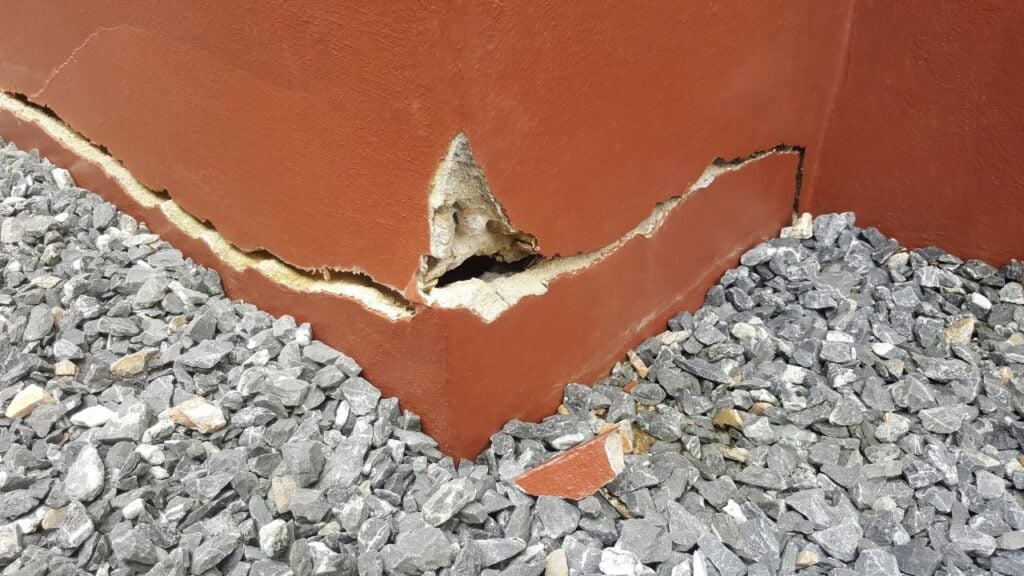
A landslide is only one way the ground under a West Virginia house can move.
Other problems can catch a buyer off guard.
7 Ground Movement Problems That Blindside West Virginia Buyers
6 West Virginia Drives Visitors Ruin by Going at the Wrong Time
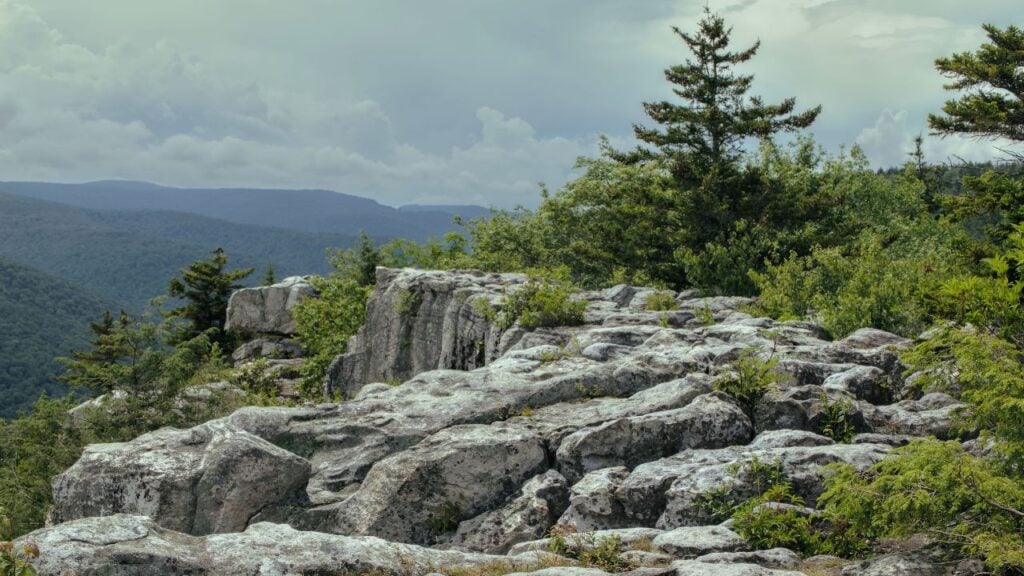
A West Virginia scenic drive can look very different depending on the week you take it.
Leaf season reaches the Potomac Highlands weeks before southern West Virginia.
6 West Virginia Drives Visitors Ruin by Going at the Wrong Time
