
6 West Virginia Drives Visitors Ruin by Going at the Wrong Time

West Virginia’s tourism office says the state’s leaf season starts in the high mountains by late September and doesn’t finish reaching the southern lowlands until early November.
That’s more than a month of difference.
Plan a scenic drive by the calendar instead of the elevation, and you could lose either way, rolling up to a bare ridge or a gorge that’s still green.
These are the West Virginia drives visitors ruin by going at the wrong time.
1. Dolly Sods Wilderness Byway
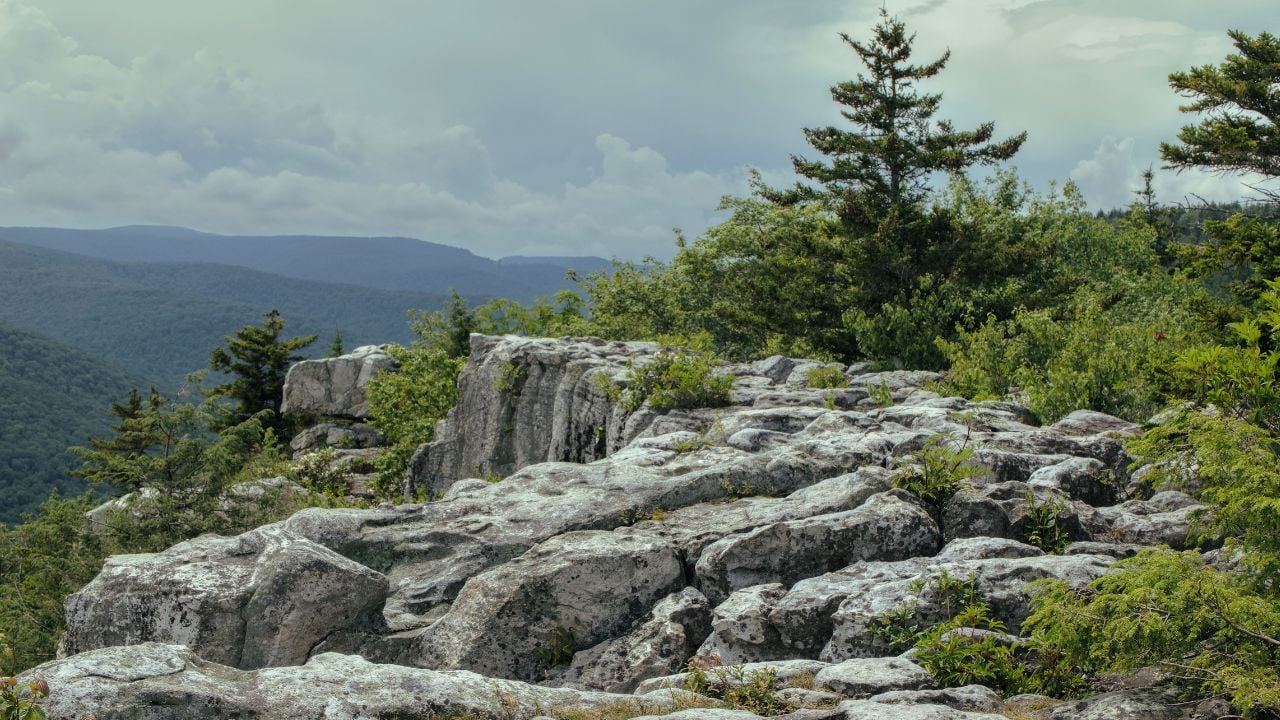
Dolly Sods Wilderness Byway, deep in West Virginia’s Monongahela National Forest, climbs above 4,000 feet into wind-scoured heath barrens along Forest Roads 19 and 75.
Nights turn cold at that elevation weeks before they do anywhere else in the state.
Cold air starts the color turning.
West Virginia’s color can turn a month apart between the highest peaks and the lowest valleys, and Dolly Sods sits at the early end of it.
Color at that elevation typically peaks in late September and the first days of October.
Time your trip for mid-October, the way leaf season runs almost everywhere else in the East, and you show up at Dolly Sods too late.
Nothing left to see.
Wind and an early frost have usually already stripped the heath barrens bare by then, leaving a gray, gusty overlook where a rust-and-gold ridge stood two weeks before.
2. Fayette Station Road
The Fayette Station Road drive cuts down into the gorge for one of the closest views of the New River Gorge Bridge anywhere.
Bridge Day changes that view, and it always lands on the same day: The third Saturday in October, Oct. 17 in 2026.
Base jumpers leap off the bridge that day.
The tourism office calls Bridge Day the state’s largest one-day festival.
In recent years, Fayette Station Road has closed to entering traffic around 6 p.m. the Friday before.
Crews tow any vehicle still parked there afterward.
US 19 has typically shut down from about 7 a.m. to 5 p.m. that Saturday, rerouting you if you had no idea the date mattered.
Plan around it.
Show up without checking the calendar first, and an easy gorge drive turns into a detour through Ansted.
3. Highland Scenic Highway
Highland Scenic Highway carries West Virginia’s Route 150 above 4,500 feet, high enough that the season’s first hard frost usually lands there before it touches anywhere else in the state.
That frost is what starts the leaves turning, weeks ahead of the mid-elevation forests below.
This stretch of Route 150 sits in the same central highlands that peak by mid-October at the latest, so chase color any later, and you’ve already missed it.
It isn’t just the color.
The Forest Service doesn’t plow this stretch once winter weather sets in, so an early mountain cold snap can close the road before the lower valleys even start turning.
Push this drive to the end of your leaf-season trip, and two things can disappear: The color first, then the road.
4. Spruce Knob Road
Spruce Knob Road climbs a narrow, one-lane paved route to the highest point in West Virginia, and one date on the calendar fills it with more than leaf-lookers.
West Virginia’s archery season opens on the last Saturday of September, Sept. 26 in 2026, across the Monongahela National Forest that surrounds this route.
Hunters’ trucks start parking along the shoulder that same weekend, often right where you’d want to pull off for a photo.
It’s a tight squeeze.
Narrow pavement, blind curves, and a truck pulled half onto the shoulder don’t leave you much room to admire the view.
5. West Virginia Route 32 Through Canaan Valley
West Virginia Route 32 runs straight through Canaan Valley, a high mountain basin ringed by peaks above 4,000 feet.
Cold air drains down into that basin overnight, with nowhere to escape.
That setup creates a well-documented frost pocket, and freezes in this valley have hit as early as August.
It happens fast.
A hard, early freeze can brown and drop the canopy within days, well before the elevation alone would have ended the show.
Catch this valley at its best by checking conditions right before you drive, not by trusting whatever week worked last year.
Psst! How much do you know about West Virginia’s history and geography? Take our quiz and see if you can ace it.
Quiz
Wild and Wonderful IQ
This quiz covers West Virginia trivia many Mountaineers never learn in school. Get all nine questions right, and you’ve earned bragging rights for the whole trip.
West Virginia broke away from Virginia and became the 35th state during which war?
6. Midland Trail Through the Kanawha Valley
Midland Trail crosses West Virginia for 117 miles on Route 60, running past Hawks Nest State Park and Gauley Bridge before it drops into the Kanawha Valley.
Charleston and the rest of that lower valley stay warmer than the mountain sections of this drive, so the color runs weeks behind.
A West Virginia 2026 forecast puts the Kanawha Valley's peak in late October, weeks after Dolly Sods and Highland Scenic Highway have already faded.
The valley runs late.
Drive this stretch on the same schedule as the high mountains, and you'll find summer green where you expected color.
Save Midland Trail for the tail end of a leaf trip, once the valley floor finally turns.
Weekly Color Tracking
The state tourism office doesn't leave a visitor's timing to one autumn guess made back in September.
Starting in mid-September, the department posts weekly leaf-season updates flagging which regions are hitting their peak that particular week, mountains first and lowlands last.
Five minutes settles it.
Check that map the week of your trip.
Planning six weeks ahead and hoping the color holds is a guess, not a plan.
The map breaks the state into separate color regions instead of one single reading.
A check the morning of a trip shows exactly which pocket of West Virginia has hit its peak that week.
Check it again a few days before the trip happens, since a warm stretch or an early frost can shift the timing from what it showed a week earlier.
8 Ways Out-of-Staters Break Buc-ee's Etiquette Before They Reach the Brisket

Fresh, hot brisket over the loudspeaker sends half the store turning toward the barbecue counter at once.
Regulars already know the drill and never make a scene the cashiers will remember, while out-of-staters keep learning Buc-ee's etiquette one mistake at a time.
8 Ways Out-of-Staters Break Buc-ee's Etiquette Before They Reach the Brisket
