
3 Wild Animals Hoosiers Can Be Fined for Feeding

Hoosier hospitality is famous, and it doesn’t always stop with people.
Many of us have shared a snack with a visitor that has fur or feathers.
In some towns, that generosity can come with a fine.
Here are the wild animals Hoosiers can be fined for feeding.
Note: This is general information, not legal advice. Local ordinances and fines are subject to change, so confirm the current rules with your city or town hall.
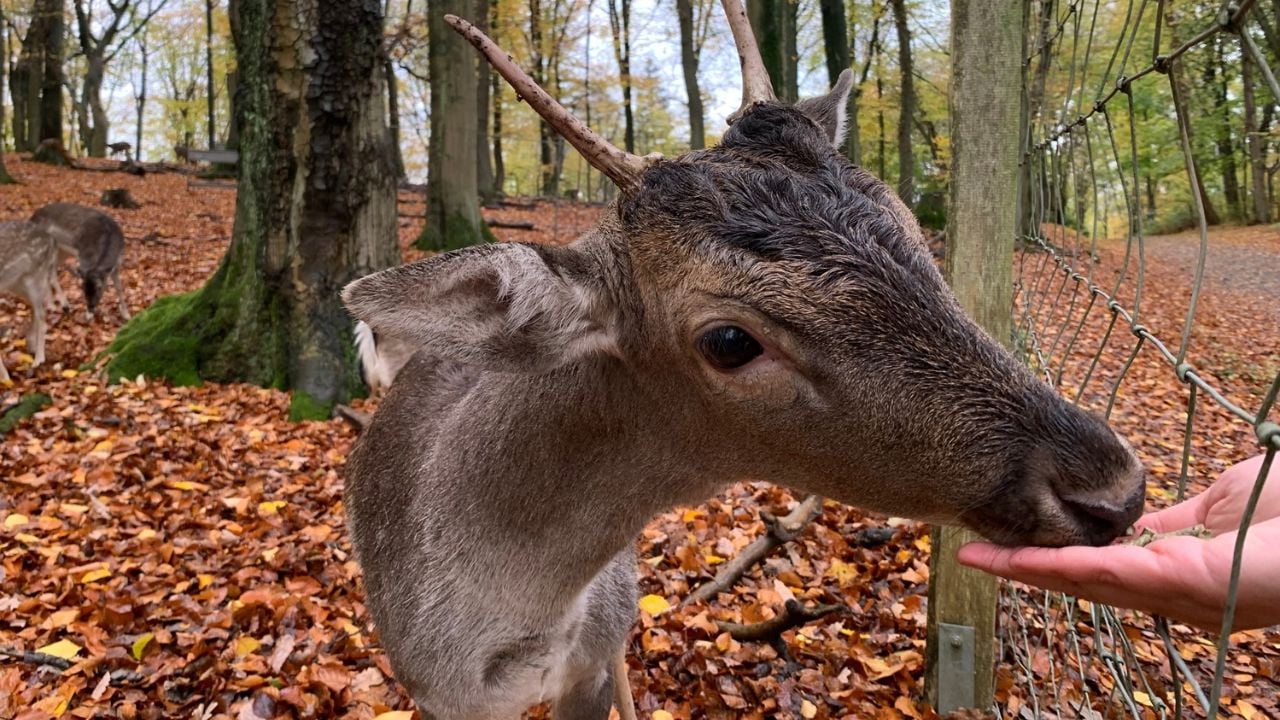
1. Deer
A $50 fine has come with feeding deer in Bloomington since September 1, 2023.
If you’re caught again within 12 months, the fine doubles.
The ordinance covers private property as well as public land, so a bucket of apples in your backyard counts.
Your garden doesn’t count, though.
Bloomington’s animal care and control director has said that if you didn’t know about the ban, an officer may give you a few days to clean up.
If you kept feeding after that, a fine would follow.
Long Beach, Indiana, passed a similar deer ban in April 2024, and the town’s notice of adoption sets fines at up to $100 for each offense.
What Counts as Feeding Deer in Bloomington
Bloomington’s deer-feeding ban lists fruit, oats, hay, nuts, wheat, alfalfa, salt blocks, grain and vegetables as food.
Commercially sold wildlife feed and livestock feed count too.
The ordinance presumes you meant to feed deer if you place food on the ground or on an outdoor platform fewer than five feet above it.
Bird feed is the exception, since the ordinance excludes it from the ban.
2. Ducks
If you feed ducks on city-owned or city-leased property in Carmel, it’s an infraction with a fine of up to $100.
The code covers any bird that lives around rivers, lakes and other bodies of water, not just ducks.
Even herons count.
It applies at any time of year, so you can’t feed the ducks on city property in January either.
Carmel passed the ordinance in August 2016, after the city had spent more than $25,000 on cleanup at the Carmel Veterans Memorial reflecting pool.
The city attorney said at the time that the target was adults who bring lots of bread every day, not children tossing a crust.
3. Geese
Vincennes sets the fine for feeding geese on publicly owned land or water at $50 for each offense.
The code covers migratory waterfowl, which it defines as ducks, geese and swans native to North America.
That would include wild geese.
It covers domestic waterfowl too, meaning nonnative ducks, geese and swans that aren’t kept for farming.
Each day a violation continues is a separate offense, so a week of daily goose feeding could cost you $350.
You don’t have to toss the bread yourself either, since the code also bars causing waterfowl to be fed or providing them food.
Vincennes has had the rule since 2005, and Shelbyville’s 2020 version uses nearly the same wording and the same $50 fine.
Codes That Skip the Species List
Kokomo’s code skips the species list and covers any wild animal or waterfowl on property the city owns and operates.
If you’re feeding farm animals or the parks department has authorized you, the rule doesn’t apply.
Marion’s rule reaches past its riverwalk title, covering ducks, geese, waterfowl and other birds on city-owned property and rights-of-way.
That’s a lot of birds.
Feeding is allowed in an authorized area where the Marion Park Board has posted signs directing it there.
In Marion, a code enforcement officer or any law enforcement officer can cite you without giving any additional notice.
The fine comes from a separate section of the code, with court costs added.
What Stays Legal
If you hang a bird feeder in Long Beach, it has to be at least six feet above the ground to stay outside the deer ban.
Height matters.
Lawns, gardens and fruit or nuts that have fallen from trees are excluded in Long Beach too.
Huntingburg’s code, adopted in 2014, bars you from enticing wild or feral animals to run at large by feeding them.
You can still feed wild birds or squirrels on property that you own or occupy.
Psst! How much do you know about Indiana’s wildlife and state parks? Take our quiz and see if you can ace it.
Quiz
Hoosier Outdoors IQ
Answer these questions on Indiana’s wildlife, state parks and national park rules. We bet you can’t get them all right. Prove us wrong?
Which of these can you legally take home from Indiana Dunes National Park?
Bait on State Land
On land the Indiana Department of Natural Resources (DNR) manages, a state rule bans placing bait for wildlife.
Breaking it is a Class C infraction, and state law allows a judgment of up to $500.
If you hike or hunt there, the rule covers any bait you place.
The rule took effect in July 2022.
If you're setting out piles of corn or apples, that's bait, and so is prepared feed meant for livestock, wild deer or birds.
Salt counts too.
The department said at the time that chronic wasting disease in deer in several surrounding states was a concern.
Illegal baiting during hunting season could force it to close an area temporarily so the bait can be cleaned up.
Exceptions cover bait the department authorizes for management, the result of authorized farming operations on the property and a bird feeder placed by a department employee.
The state rule doesn't reach federal land such as Hoosier National Forest.
5 Things Hoosiers Do Without Realizing It's Not Normal Anywhere Else
When a family in Indiana comes up short on rent, a township office is one of the first places they can ask for help.
It's one of the Indiana habits this article digs into.
5 Things Hoosiers Do Without Realizing It's Not Normal Anywhere Else
6 Indiana Rules for Selling Baked Goods From Home That Surprise Bakers

If friends keep asking for your cookies, selling them can seem like the next step.
A good recipe is only the start of selling baked goods from home.
6 Indiana Rules for Selling Baked Goods From Home That Surprise Bakers
