
4 Rules That Decide Who Pays When a Tree Falls Across a Connecticut Property Line

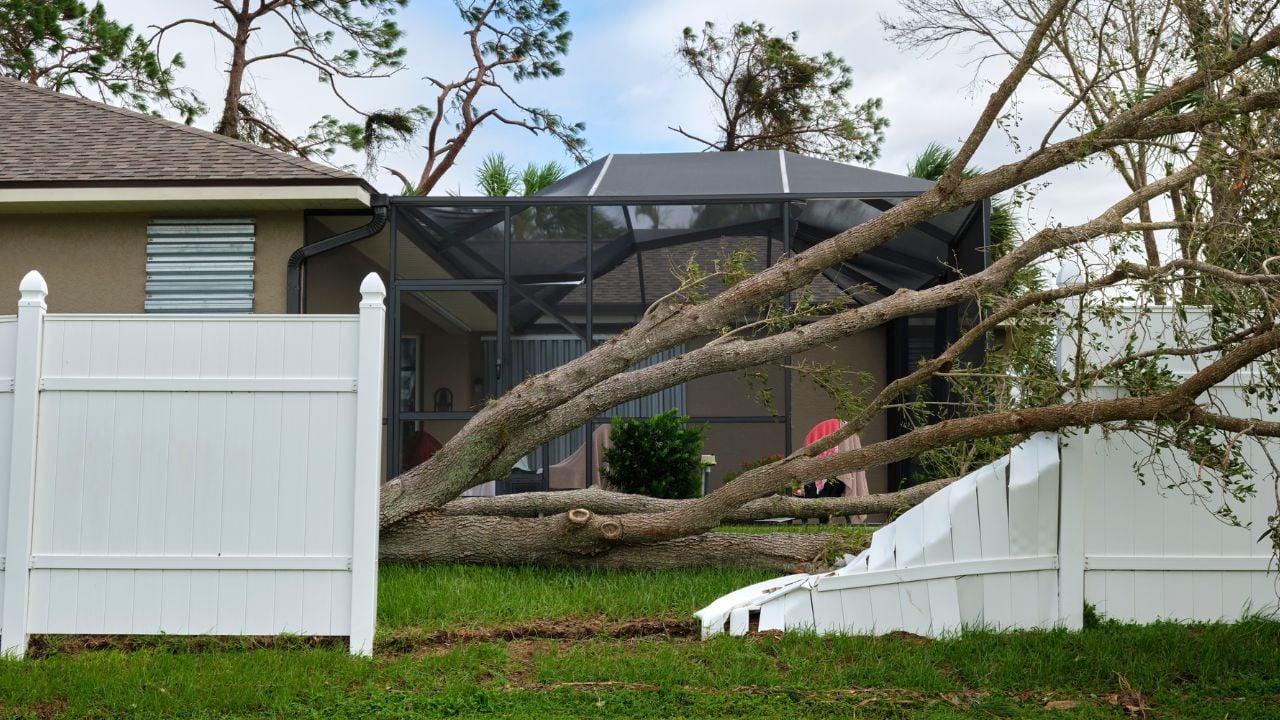
A storm drops your neighbor’s maple tree across your fence and onto your roof.
Your first instinct is probably to send that neighbor the bill.
Here are the rules that decide who pays when a tree falls across a Connecticut property line.
Note: This is general information, not legal or insurance advice. Connecticut law and policy terms are subject to change, so check the specifics with your insurer, your agent or the Connecticut Insurance Department.
1. Natural-Condition Rule
Connecticut courts usually treat a neighbor’s tree that falls on your property as a natural condition of the land.
The legislature’s research office reviewed Superior Court decisions that found there’s generally no liability between private landowners for damage from natural conditions.
That includes a falling tree.
Those decisions followed the Restatement of Torts, a national legal guide that makes a landowner liable for natural conditions only in limited situations, such as on public highways.
In one of those cases, the people who lost property had warned the owner’s agent that the tree was decayed, and the court still ruled for the owner.
The warning didn’t matter.
If that tree comes down in your yard, you usually can’t send the bill to your neighbor.
2. Negligence Exception
The Connecticut Insurance Department says a tree owner is legally liable only if owner negligence caused the tree to fall.
Without negligence, the damage counts as an act of nature, so you’d turn to your homeowners policy.
So negligence is required, but it hasn’t been enough for a naturally growing tree.
In the Superior Court cases the research office reviewed, claims that an owner failed to inspect or remove a tree generally lost.
A negligence lawsuit over property damage generally has to start within two years of when you first sustain or discover the damage.
3. Claims on Your Homeowners Policy
If a neighbor’s tree falls on your house because of a covered peril, your homeowners policy covers the damage to the house.
If your tree lands on your neighbor’s house, your policy doesn’t automatically pay for that damage.
Your neighbor should file a claim with their insurer.
If your neighbor sues you, the personal liability section of your policy may respond with defense coverage.
When Wind Brings a Tree Down
When wind brings a tree down, your homeowners policy covers the windstorm damage to your house even if the storm counts as an act of nature.
That holds however the windstorm is classified, including a hurricane, a tornado or a cyclone.
Your policy form decides how far the coverage reaches.
An all-perils Form 3 policy covers every peril unless the policy excludes it.
A Form 2 policy covers only the perils it names.
4. $500 Removal Limit
When a tree falls on your house, your policy generally pays up to $500 to remove it, the Insurance Department’s storm guidance says.
The catch is that the tree has to damage a covered structure or block your driveway.
If a tree blows over on your property and damages no structure, there’s generally no coverage for the tree or for hauling it away.
A near miss costs you.
Some insurers do provide a limited amount of coverage for that kind of loss, so ask your agent what yours does.
Psst! How much do you know about property lines and homeowners insurance? Take our quiz and see how many you can get right.
Quiz
Property Line Pop Quiz
Answer these questions on property lines and homeowners insurance. We bet you can’t get them all right. Prove us wrong?
A landowner in Connecticut has how many years to take back land from someone using it without permission before that person can claim it?
Cutting a Neighbor's Tree
Connecticut's tree-cutting statute makes you pay three times a tree's reasonable value if you cut it on a neighbor's land without the owner's permission.
The amount rises to five times the value for a tree intended for sale or use as a Christmas tree.
If a court finds you cut the tree by honest mistake, believing it was growing on your land, you owe only its reasonable value.
So taking a chainsaw to a neighbor's leaning tree before it falls can cost you triple.
Street Trees and the Tree Warden
Under state law, a town's tree warden has care and control of trees growing in whole or in part within the limits of a public road.
Trees along state highways are the exception, since they fall under the state transportation commissioner instead.
If a tree near you grows partly within a public road's limits, it can still fall under the warden's control.
Who pays for that work?
When the warden decides public safety demands removing or pruning one of those trees, the town pays for the work.
What Your Deductible Does
When a tree falls on your house, insurers in Connecticut may not require a windstorm or hail deductible, so the choice is yours.
If you choose a windstorm or hail deductible, it can replace the overall policy deductible.
A windstorm or hail deductible can be a flat dollar amount or a percentage of your dwelling coverage.
What about hurricanes?
A hurricane deductible can apply only from the National Hurricane Center's hurricane warning until the earlier of 24 hours after the last warning ends or 24 hours after the storm is downgraded from hurricane status.
The hurricane also has to bring sustained winds of 74 mph or more.
The Insurance Department says a hurricane deductible's percentage and dollar amount appear on your declarations page if one applies to your policy.
Bills to Make Owners Pay
Connecticut lawmakers have more than once considered making a tree owner pay when a tree falls on your land.
The governor vetoed a 2014 version.
That bill would have applied only after a neighbor warned the owner in writing that the tree was diseased or likely to fall.
The veto cited concern about unnecessary removal of healthy trees.
Lawmakers tried again.
As of the research office's 2020 report, none of those bills had become law.
In 2025, the Judiciary Committee voted to advance a bill that would make certain owners pay to remove a tree or limb that falls on your land, but it didn't become law.
It would apply only if an arborist documented that the tree was diseased, decayed or damaged and likely to fall.
The neighbor would also have to send the owner written notice by certified mail, and the owner would get 90 days to fix the problem.
The bill also exempts certain land, including property owned by water companies and nonprofit organizations.
5 Connecticut Property Tax Rules That Hit New Residents the First Fall

A new home comes with a long to-do list, and a tax bill is easy to overlook.
If you're a new Connecticut homeowner, your first property tax season may work differently than you'd expect.
5 Connecticut Property Tax Rules That Hit New Residents the First Fall
7 Unwritten Rules About Leaf-Blowing Hours in a Connecticut Neighborhood
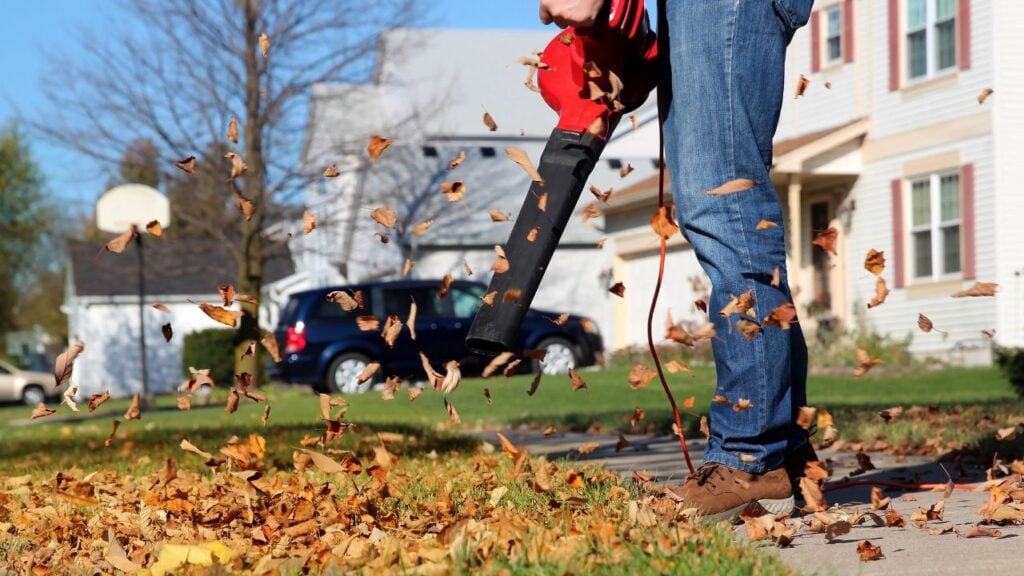
Leaf-blower hours may be set by town ordinance, but neighbors work out the rest, driveway to driveway.
These are the unwritten rules about leaf-blowing hours in a Connecticut neighborhood.
7 Unwritten Rules About Leaf-Blowing Hours in a Connecticut Neighborhood
