
4 Things That Instantly Reveal Which Side of the Rockies a Coloradan Is From

Ask Coloradans which side of the mountains they’re from, and you’ll often get a proud answer.
These are the signs that reveal which side of the rockies a Coloradan is from.
1. Peaches or Melons
You’ll find peaches on the Western Slope.
Colorado State University Extension lists Mesa, Delta, Montrose and Montezuma counties as the prime locations for peach growing.
By 1945, the orchards around Palisade held more than 850,000 fruit trees, according to the Colorado Encyclopedia.
Delta County, in the Gunnison and Uncompahgre River valleys of west central Colorado, is one of the top fruit-producing counties in the state.
In the 1980s, grape growing around Palisade gave rise to wine tourism.
A March 2024 Legislative Council staff memo, using data as of early 2022, lists Mesa and Delta counties as the top grape producers.
The Grand Valley, a wine region the federal government recognizes, sits within Mesa County, in the western part of the state.
For melons, you head to the Arkansas Valley, where the same extension service says production centers around Rocky Ford on the southeastern plains.
Rocky Ford is a name synonymous with cantaloupe melons.
Wide daily temperature swings there help cantaloupes and watermelons sweeten.
Melons live elsewhere.
Weld County, the largest county in northeastern Colorado, made sugar beets its major cash crop in the early twentieth century.
Weld also has more oil and gas wells than any other county in the state.
Psst! How much do you know about the high country’s peaks and passes? Take our quiz and see if you can ace it.
Quiz
High Country IQ
Answer nine questions on peaks, passes, and mountain history. We bet you can’t get them all right. Prove us wrong?
According to the Colorado Encyclopedia, how high does the Royal Gorge Bridge, built in 1929, hang above the river below it?
2. Club 20
Club 20 says Western Slope business leaders founded the group in 1953 to get rural roads paved.
Roads came first.
It calls itself the “Voice of the Western Slope.”
If you grew up on the Western Slope, you might know the group's name, and some Front Range families might not.
You'll find that regional focus in the group's board.
A board of directors makes its policy.
That board has voting membership for each of the 22 counties in Western Colorado.
3. Two Water Districts
Two water districts date to 1937, one for the Western Slope and one for northeastern Colorado.
The Colorado River District says it formed to represent the Western Slope in contesting and negotiating projects that move water from west to east.
Northern Water says it started the same year as a local partner to help operate the federally owned Colorado-Big Thompson Project.
Their jobs differ.
Which name sounds familiar to you often depends on which side of the Continental Divide you grew up on.
The River District calls its founding an intra-state rivalry.
You can hear why in its account.
The Front Range needed water supplies, and the Western Slope wanted to protect its way of life.
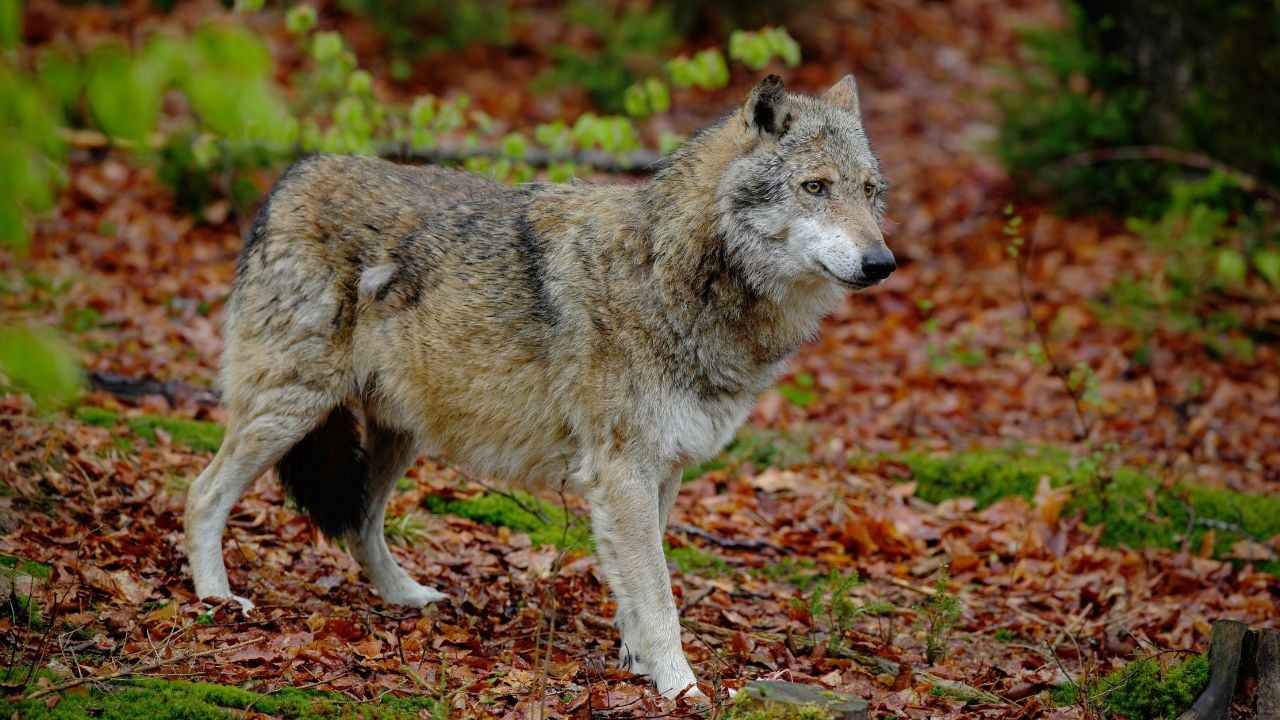
4. Wolf Reintroduction Vote
Counties west of the Continental Divide and Denver, Arapahoe and El Paso counties voted differently on wolves in 2020.
A ballot measure to reintroduce gray wolves edged to victory with less than 51% of the statewide vote, according to Colorado Newsline.
That's a narrow win.
Five of the 22 counties west of the Continental Divide supported it: Summit, Pitkin, San Miguel, San Juan and La Plata.
In Denver, Arapahoe and El Paso counties, the state's three most populated Front Range counties, voters backed the measure.
Seventeen of the 22 counties west of the Continental Divide didn't back it.
Your county backed the measure if you live in Denver, Arapahoe or El Paso County.
If you live west of the Continental Divide, you can check your county against those five names.
Where the Water Comes From
Water Education Colorado reported in 2012 that about 80 percent of the state's precipitation falls west of the Continental Divide.
A 2021 Denver Water article says the utility collects around 50% of its drinking water from tributaries of the Colorado River on the west side of the Continental Divide.
You can follow that water through two tunnels.
The Roberts Tunnel brings water from Dillon, and the Moffat Tunnel carries water collected from 36 Grand County streams.
If you're a Denver Water customer, roughly half of your drinking water starts on the west side.
Denver Water serves about 1.5 million people.
Northern Water's service area covers 1.6 million acres in portions of eight counties: Boulder, Broomfield, Larimer, Logan, Morgan, Sedgwick, Washington and Weld.
The Colorado-Big Thompson Project captures water from the Colorado River Basin west of the Continental Divide and sends it east.
Northern Water supplies supplemental water to more than 1.1 million people.
So if you eat food grown in northeastern Colorado, you may be eating Western Slope water.
The district also supports approximately 550,000 irrigated acres.
Area Code 970
If you're trying to guess a caller's side of the Rockies, area code 970 covers more than the Western Slope.
Colorado Public Radio reported in December 2023 that the 970 region stretches as far east as Julesburg and as far west as the Utah border.
That region includes Fort Collins, Aspen, Glenwood Springs, Grand Junction and Durango, among others.
So a 970 number could point you to Fort Collins or to Durango.
6 Colorado Ghost Towns Coloradans Drive Past Without Looking
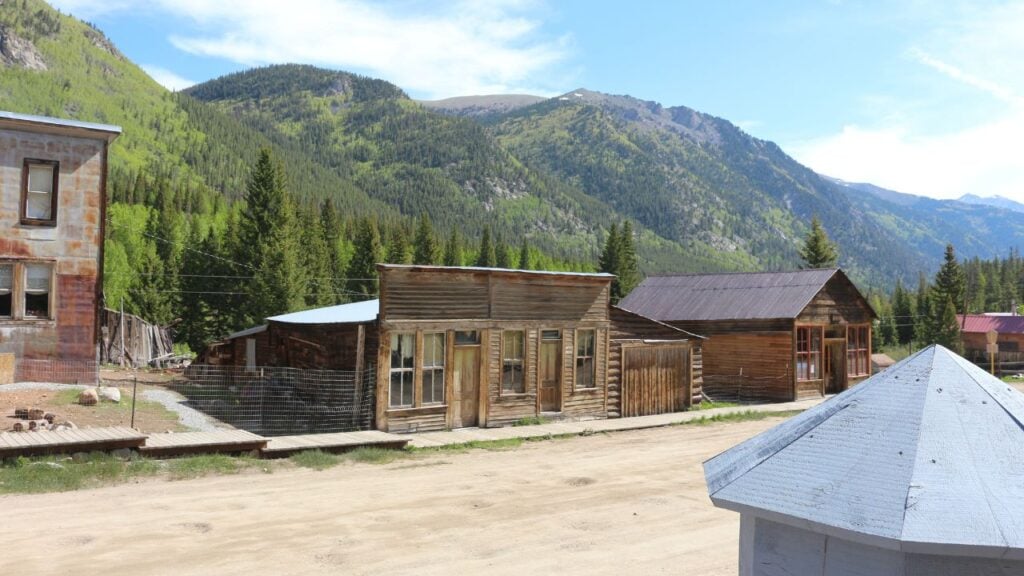
A row of stone humps on a hillside between Glenwood Springs and Carbondale looks like an old rock pile.
Those stone humps are ghost towns.
6 Colorado Ghost Towns Coloradans Drive Past Without Looking
8 Renovations Coloradans Say Are Miserable to Live Through
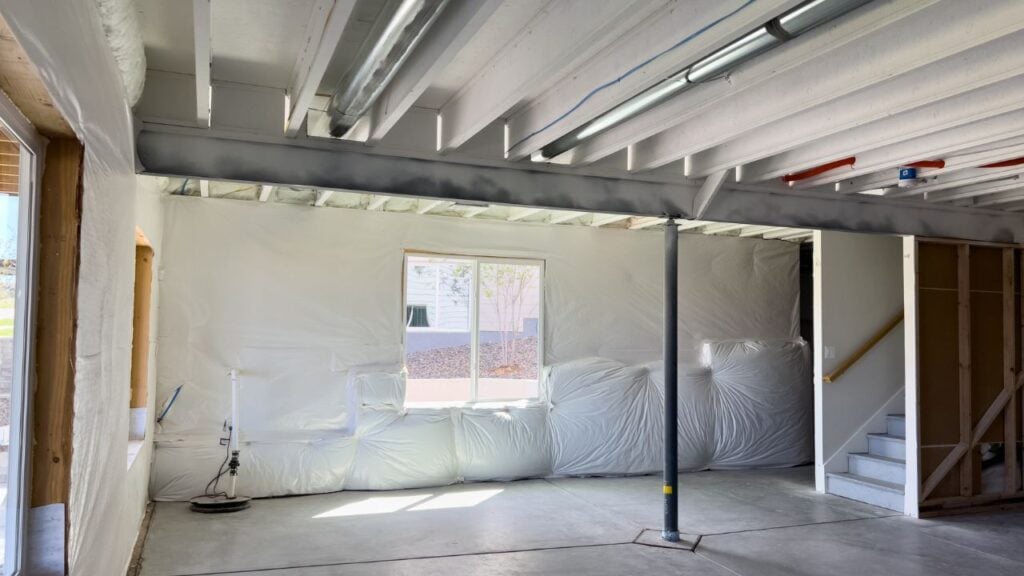
Fixing a house means living through the work.
Coloradans have strong opinions about which renovations are the worst.
