
5 Halloween Pranks That Can Get Texans Charged With a Crime

Halloween pranks are supposed to be harmless fun.
Under Texas law, some of them can lead to criminal charges, for adults and kids alike.
Here are the pranks that can cross the line, and where that line is.
Note: This is general information, not legal advice. Criminal penalties and dollar thresholds are subject to change.
1. Toilet Paper in the Trees
Rolling toilet paper through a neighbor’s trees on Halloween night can land under the same state law as a smashed window.
Texas calls that law criminal mischief.
Criminal mischief applies when you act without the owner’s effective consent and do so intentionally or knowingly.
Damage isn’t always required, since tampering with someone’s property counts when it causes the owner or a third person pecuniary loss or substantial inconvenience.
A yard strung with paper that needs cleanup could fit that wording.
If you toss the rolls, the grade is a Class C misdemeanor when the loss comes in under $100 or the act causes only substantial inconvenience to others.
Bigger bills change that.
2. Stink Bombs and Air Horns
Is a stink bomb or an air horn on Halloween night a prank or a crime?
Under the disorderly conduct statute, the answer can be both.
A stink bomb can fall under the statute when you intentionally or knowingly create a noxious and unreasonable odor by chemical means in a public place.
Air horns fall under a separate provision on unreasonable noise, which applies in a public place or in or near a private residence you have no right to occupy.
An air horn blast outside a neighbor’s window can fit the noise provision.
Both offenses are Class C misdemeanors.
The firearm provisions are the exception.
3. Egged Cars and Spray Paint
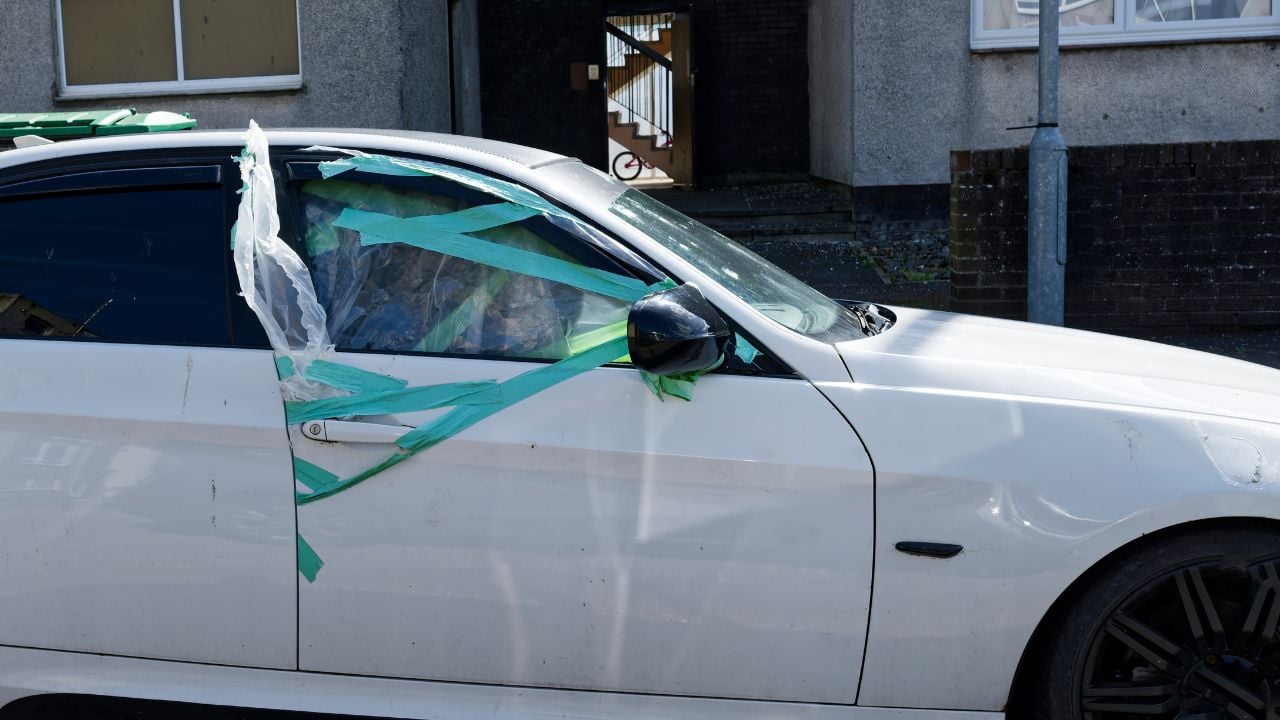
Eggs, spray paint and permanent markers can all turn your Halloween prank into a property-damage case that the Penal Code grades by the dollar.
If a body shop charges $400 to restore an egged car’s paint, that loss lands in Class B misdemeanor range.
Spray paint and permanent markers get a separate statute, graffiti, which covers markings on someone else’s property made with paint, an indelible marker or an etching or engraving device.
Graffiti follows the same dollar tiers, so a mailbox post that costs $200 to repaint would land in Class B territory.
Because the law names paint, indelible markers and etching tools, switching supplies won’t help you.
How Texas Measures Criminal Mischief Losses
Texas criminal mischief and graffiti grades both depend on pecuniary loss, which the Penal Code defines by the cost to fix or replace the property.
For damaged property, the amount is the cost of repairing or restoring it within a reasonable time after the damage.
For destroyed property, the amount is the fair market value at the time and place of the destruction.
A loss under $100 is a Class C misdemeanor.
Class B covers losses from $100 up to $750.
From $750 up to $2,500, the grade is Class A.
State jail felony territory runs from $2,500 up to $30,000.
A loss from $30,000 up to $150,000 is a third-degree felony.
4. Stolen Yard Decorations
Halloween decorations belong to someone, and taking them is theft.
The Penal Code defines theft as unlawfully appropriating property with intent to deprive the owner of it.
The taking is unlawful when you act without the owner’s effective consent.
To deprive means to withhold property permanently or for so long that the owner loses a major portion of its value or enjoyment.
Hauling a neighbor’s inflatable skeleton off and dumping it where the owner can’t find it can fit another part of that definition, disposing of property so recovery becomes unlikely.
The value of what you take sets the grade.
A $50 plastic skeleton is a Class C misdemeanor, while a $300 animatronic witch lands in Class B.
A display worth $750 or more but less than $2,500 reaches Class A.
5. Jump Scares Behind the Fence
On Halloween night, a jump scare from inside someone’s fenced yard starts with criminal trespass.
Criminal trespass requires entry without the owner’s effective consent, after you had notice that entry was forbidden.
Notice includes a fence or other enclosure obviously designed to exclude intruders.
A sign posted on the property or at the entrance can count, too, if the sign is reasonably likely to come to an intruder’s attention and says entry is forbidden.
Staying after the owner tells you to leave is trespass, too.
The baseline grade is a Class B misdemeanor, and some settings and circumstances raise it.
A scare can cross into a terroristic threat when you threaten violence with intent to place someone in fear of imminent serious bodily injury.
That version of the offense is generally a Class B misdemeanor, with higher grades when the target is a family member, household member or public servant.
A lit firecracker tossed at a friend’s feet can fit the assault wording on threatening another with imminent bodily injury, which is a Class C misdemeanor.
If the firecracker burns someone, intentionally, knowingly or recklessly causing bodily injury is a Class A misdemeanor.
Psst! How much do you know about Halloween pranks and the law? Guess myth or fact, then flip each card to see.
Candy Swaps and the Felony Line
Swapping the chocolate in your candy bowl for novelty gummy worms is a Halloween gag that doesn’t fit the Penal Code’s definition of tampering.
To tamper is to alter a consumer product or add a foreign substance to make serious bodily injury probable.
A consumer product means any product offered for sale to or for consumption by the public, and the definition includes food and drugs.
If you knowingly or intentionally tamper with a product you know will be offered for sale or given as a gift, that’s a second-degree felony.
When someone suffers serious bodily injury, the grade rises to a first-degree felony.
6 Texas Small Towns That Empty Out on Friday Nights
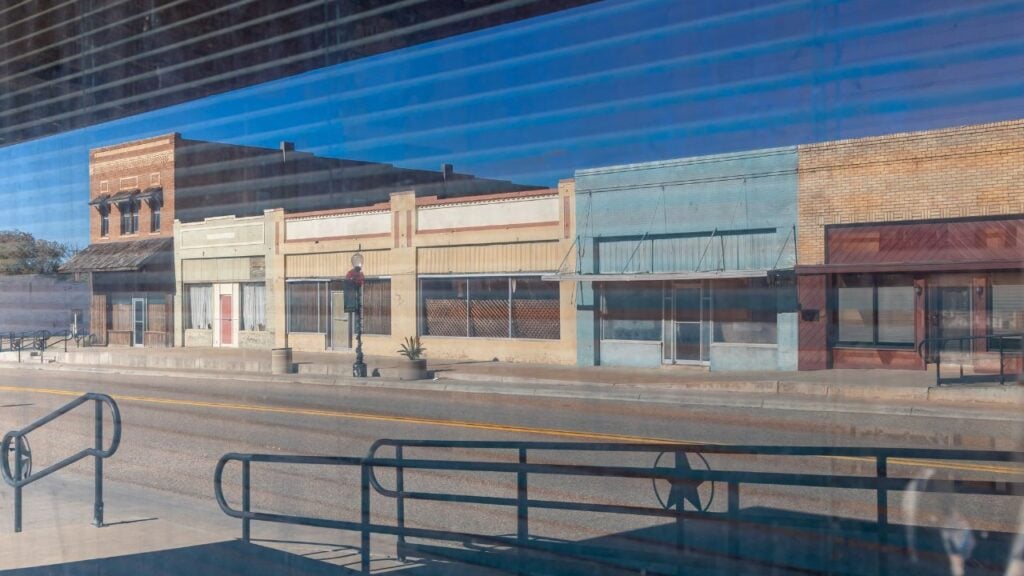
Marfa’s Martin Field fills up every Friday night of football season.
Other small Texas towns do the same, and their main streets empty out while the stadium lights come on.
6 Texas Small Towns That Empty Out on Friday Nights
4 Texas Kolache Rules Bakeries Won’t Bend for Anyone

You pull off I-35 in West, Texas, point at a tray of sausage-stuffed rolls, and ask for two kolaches.
The clerk reaches for a different tray instead.
