
5 Ways Maine Changed After the 1998 Ice Storm

It took Central Maine Power 23 days to restore power to 340,000 customers after the 1998 ice storm.
When freezing rain shows up in a Maine forecast, that’s still the storm people remember.
Here’s how Maine changed after the 1998 ice storm.
Note: This is general information, not safety advice. Guidance on generators and carbon monoxide is subject to change, so confirm the current details with MEMA.
1. Trimming Trees Harder
After the 1998 ice storm, Central Maine Power (CMP) started a tree-trimming program that clears branches within eight feet of a pole’s sides and 15 feet above it.
By 2018, power company crews trimmed branches more often and more severely than before the storm.
Company officials said the change goes a long way toward helping Maine avoid a repeat.
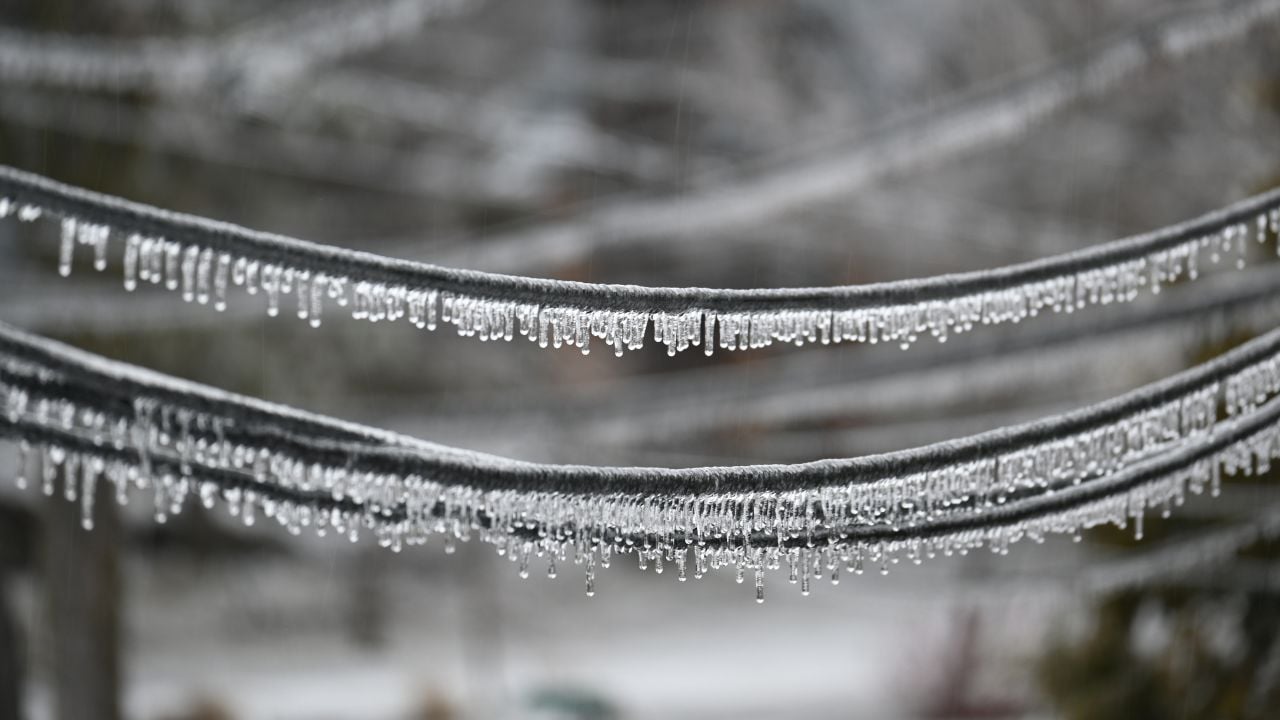
Some tree branches were encased in an inch or more of ice during the storm.
In its final report on the storm, the Public Utilities Commission pointed out that winter weather experts expect storms of similar magnitude every 40 to 90 years.
Next time you drive down your road, look up and see how far the branches sit from the poles.
2. Calling in Outside Crews
The ice storm led to changes in how CMP responds to major weather events, its spokeswoman told the Press Herald.
In 1998, CMP had to call other utilities one at a time for help.
Crews from North Carolina and other states headed to Maine to help get the power back on.
Angus King, Maine’s governor at the time, said hundreds of those out-of-state workers came back the next summer for a lobster feed at the State House.
By 2018, a single request to a network of utilities that stretches west to Ohio and south to Virginia could bring immediate help.
If utility trucks from another company roll into your town after a storm, a network like this may be why.
3. Planning Ahead of Storms
In 2017, CMP’s chief executive said lessons learned in the 1998 ice storm resulted in a more effective response to the October 2017 windstorm.
After the 1998 ice storm, CMP hired a weather consultant, per a Bangor Daily News look back written 10 years later.
CMP’s changes to storm recovery since 1998 include staging crews and equipment, damage assessment and repair, and arranging food, lodging and other needs of working crews.
Psst! How much do you know about Maine’s wild weather? Take our quiz and see if you can ace it.
Quiz
Maine Weather Trivia
Answer these questions about Maine’s wildest weather. We bet you can’t get them all right. Prove us wrong?
What’s the hottest temperature ever recorded in Maine?
4. Backup Power for Public Safety Buildings
Augusta's police chief said in 2017 that lessons from the ice storm left the city better prepared, and its most essential buildings now have generators, unlike in 1998.
That Bangor Daily News look back lists backup generators that MEMA put in public safety buildings after the storm, using federal funds.
Generators and Carbon Monoxide
MEMA's carbon monoxide page cites a state study of poisonings after the 1998 ice storm outages.
The page says a gas-powered generator in a basement or garage could raise the risk of poisoning up to 300-fold.
It advises keeping a generator outdoors, at least 15 feet from home windows and doors.
A report from the Centers for Disease Control and Prevention (CDC) counted 101 presumptive poisonings at three hospital emergency departments in January 1998, up from zero a year earlier.
5. Reorganizing State Storm Response
Since the 1998 ice storm, the look back said, the Maine Department of Transportation (DOT) had divided the state into five regions, each able to respond on its own.
It had improved its radio coverage and maintained an operator 24 hours a day.
If the Augusta office was cut off, highway crews knew to head to assigned headquarters, of which the state had more than 100.
By late 2017, years of training since the ice storm had improved communication among state, county and local officials, MEMA's acting director said.
How Long the Lights Stayed Off
It took CMP 23 days to restore power to 340,000 customers after the 1998 ice storm.
That count is CMP's alone.
At Bangor Hydro, now called Versant Power, 105,000 customers lost power in 1998.
In 1998, rebuilding a major transmission line connecting parts of Hancock County took 29 days.
Ice reached up to 3 inches thick.
The storm affected 11 million acres of forest.
A presidential disaster declaration covered all 16 counties, the Press Herald reported.
The October 2017 Windstorm
The October 2017 storm cut service to more than 400,000 CMP customers and left some in the dark for up to 10 days.
The Bangor Daily News calls it the worst windstorm in the state's history.
CMP said crews restored power in less than half the time it took in 1998, when fewer customers lost power.
The Tree-Trimming Debate
CMP adopted a five-year cycle of tree pruning in 2008, a decade after the 1998 ice storm.
The Maine Public Utilities Commission directed the change, a CMP spokeswoman said.
By CMP's count, tree-related outages have dropped about 30 percent since then.
If you live in CMP territory, that cycle may decide how often crews trim near your road.
Former Maine House Speaker Pat Colwell, though, said CMP should have trimmed trees much more aggressively.
In November 2017, the Press Herald reported that ideas for lawmakers were expected to include expanded tree trimming, burying more power lines, rubberized power lines and micro grids.
By December 2017, the commission had opened an inquiry into how the utilities responded to the October 2017 storm and asked them for reports.
9 Things You'll Only Understand About Maine After a Winter There
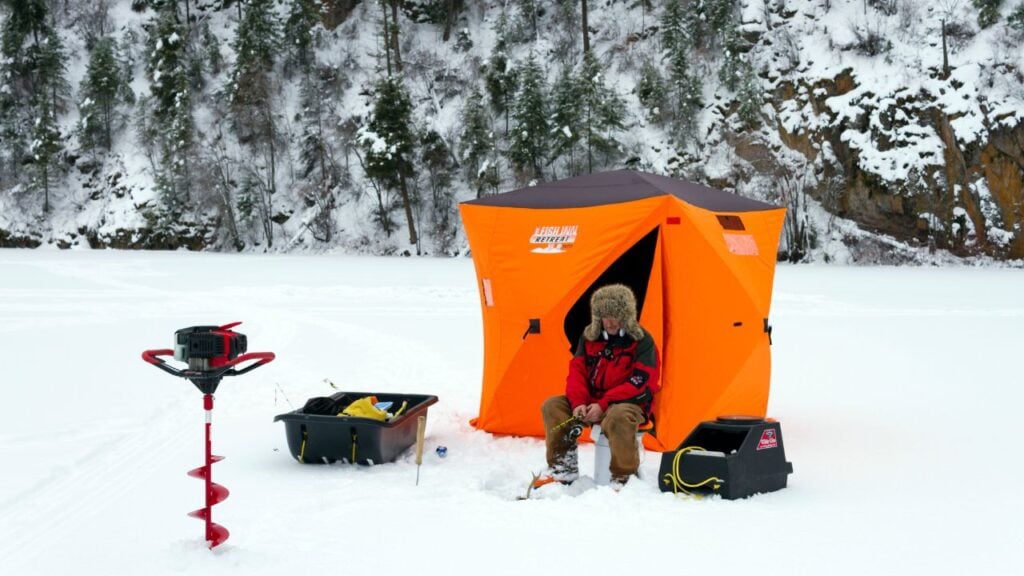
Summer visitors see Maine at its best.
Winter shows what living in Maine takes, from the early dark to the chores that come with the cold.
9 Things You'll Only Understand About Maine After a Winter There
9 Things Nobody Warns You About Before Moving to Maine
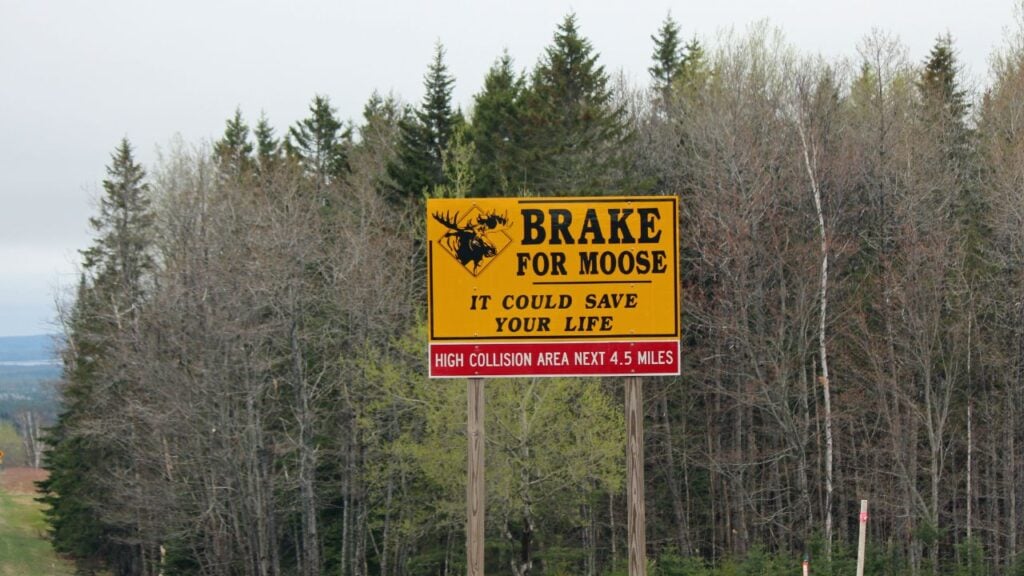
Moving to Maine comes with a few surprises for newcomers.
Some of them hit your wallet.
