
5 Wild Animals North Carolinians Could Be Fined for Feeding

A parent stops at a Pineville pond on a Saturday afternoon and lets their kid toss bread to some ducks paddling by.
That loaf of bread broke a town ordinance.
These are the wild animals North Carolinians could be fined for feeding.
Note: This is general information, not legal advice. Wildlife-feeding rules and fines vary by location and are subject to change. Confirm statewide rules with the North Carolina Wildlife Resources Commission, and local rules with your town or county government.
1. Black Bears
Black bears turned Asheville and Buncombe County into the first places in North Carolina with a dedicated feeding fine.
Buncombe County commissioners amended the county’s animal ordinance in July 2023.
The new language bans feeding or attracting bears in a way that creates danger to people, pets or the bears themselves.
Asheville adopted matching language for the city.
The Wildlife Resources Commission says the fine starts around $50 and rises about $50 with each repeat violation, up to $500.
That escalates fast.
A lien on the house follows anyone who refuses to pay.
Buncombe County can even elevate repeat violations to a criminal charge.
The Bird Feeder Exception in Buncombe County
Buncombe County’s ordinance carves out an exception for an ordinary bird feeder, so hanging one in the backyard isn’t automatically a violation.
The exception disappears the moment that feeder, or a pile of corn, or an open trash can draws in a bear and animal control orders it removed.
Ignore that order, and the bear-feeding fine applies just the same as if someone set food out for the bear on purpose.
2. Alligators
Alligators are the only animal on this list with a fine written into North Carolina’s general statutes.
State law makes it unlawful to intentionally feed an alligator outside of captivity.
A first conviction counts as a Class 3 misdemeanor, which can mean a fine of up to $200 under the state’s general misdemeanor sentencing table.
A second conviction within three years jumps to a Class 2 misdemeanor, with a fine of up to $1,000 under that same table.
It makes no exceptions for coastal ponds or backyard canals.
The law applies statewide.
Alligators rarely bother people who leave them alone.
Feeding an alligator teaches it to connect people with an easy meal, which is exactly the behavior the law tries to prevent.
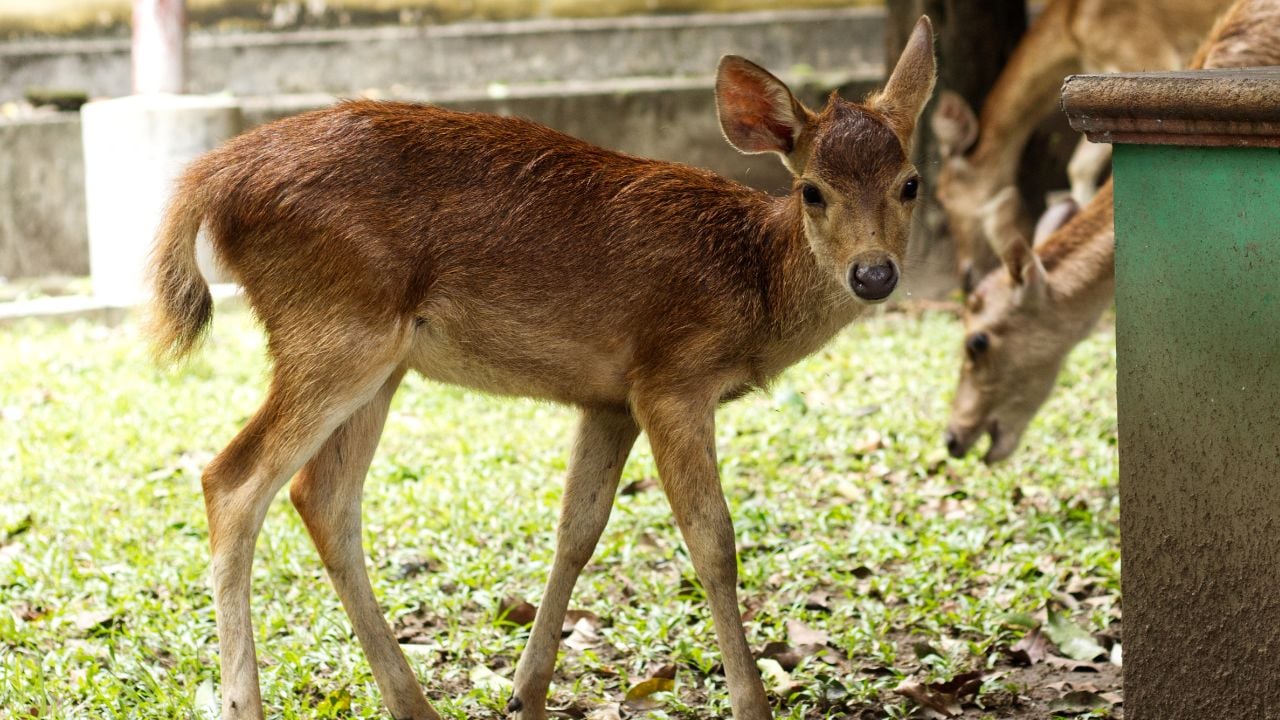
3. White-Tailed Deer
White-tailed deer face a narrower feeding fine, tied to one disease and a short list of counties.
Chronic wasting disease (CWD), a fatal illness in deer, has turned up in North Carolina since 2022.
The Wildlife Resources Commission now bans placing bait, food or minerals to draw deer together in designated CWD zones for part of the year.
The ban on bait and food runs from January 2 through August 31 inside those zones.
Minerals and salt stay banned there year-round.
Breaking a Wildlife Resources Commission rule like this one carries a flat $25 fine under state law, since it counts as a rule violation rather than a statute violation.
Location matters.
A backyard corn pile one county over might be perfectly legal.
4. Ducks, Geese and Swans
Ducks, geese and swans are animals many North Carolina towns regulate by name.
Pineville lets the fine grow for every day the feeding continues, since the town counts each day as a separate offense.
Pineville’s code defines waterfowl to include swans, geese, ducks and even seagulls.
These aren’t just ducks.
Feeding any of them on public property, including town parks, is against the law there.
Pinehurst passed a similar rule back in 2014, carving out an exception for songbirds but naming Canada geese as off-limits.
The pattern repeats in small towns across the state.
Psst! How much do you know about North Carolina’s wild side? Take our quiz and see how many you can get right.
Quiz
North Carolina Wildlife IQ
Answer these questions on North Carolina’s wild side. We bet you can’t get them all right. Prove us wrong?
Which North Carolina peninsula has the highest black bear density found anywhere on Earth?
5. Seagulls
Seagulls became the target of a new feeding fine in 2024, separate from the inland waterfowl ordinances.
Kure Beach's town council passed an ordinance making it unlawful to feed birds while on the beach or on public property next to it.
A first offense costs $25.
A second offense becomes a misdemeanor under state law.
Dropped food doesn't count.
The rule targets people who feed birds on purpose.
Regular feeding erases a bird's wariness of people fast.
The town says citizens had complained about seagulls being fed near beach access, and leaders cited those complaints in passing the ordinance.
Kure Beach's mayor has described a personal encounter with the birds, recalling a seagull that landed and took food directly from the mayor's hand.
Why These Feeding Bans Keep Spreading
North Carolina's patchwork of feeding rules keeps growing because the underlying problem never goes away.
Repeated feeding erases a wild animal's fear of people.
Officials call it habituation.
It's the reason a fed bear starts checking porches, and a fed alligator starts treating swimmers like a food source instead of something to avoid.
But North Carolina's fines don't all come from the same source of authority.
State lawmakers wrote the alligator fine directly into the general statutes, and the Wildlife Resources Commission set the deer feeding rule through its regulatory powers.
Buncombe County, Pineville and Kure Beach passed their bear, waterfowl and seagull bans as local ordinances, with no involvement from the Wildlife Resources Commission.
8 Things North Carolinians Are Tired of Hearing From Virginians

North Carolina has more than two million more residents than Virginia, and that never stops a Virginian from delivering a lecture anyway.
Whether it happens at a reception in Richmond or a tailgate lot in Charlottesville, Tar Heels have heard every version of the same line before.
8 Things North Carolinians Are Tired of Hearing From Virginians
8 Reasons North Carolina Homeowners Get Dropped by Their Insurance Company
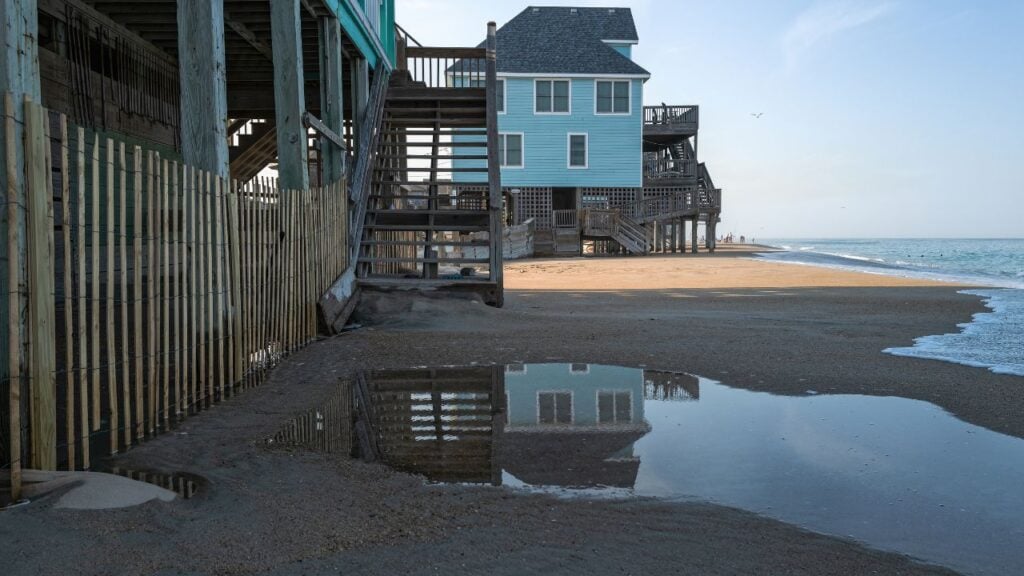
Six months after Hurricane Helene tore through the mountains, wildfires broke out on some of the same slopes, and North Carolina's home insurers took notice of both.
A house doesn't have to flood or burn before a risk model flags it; sitting in the wrong spot can be enough on its own.
8 Reasons North Carolina Homeowners Get Dropped by Their Insurance Company
