
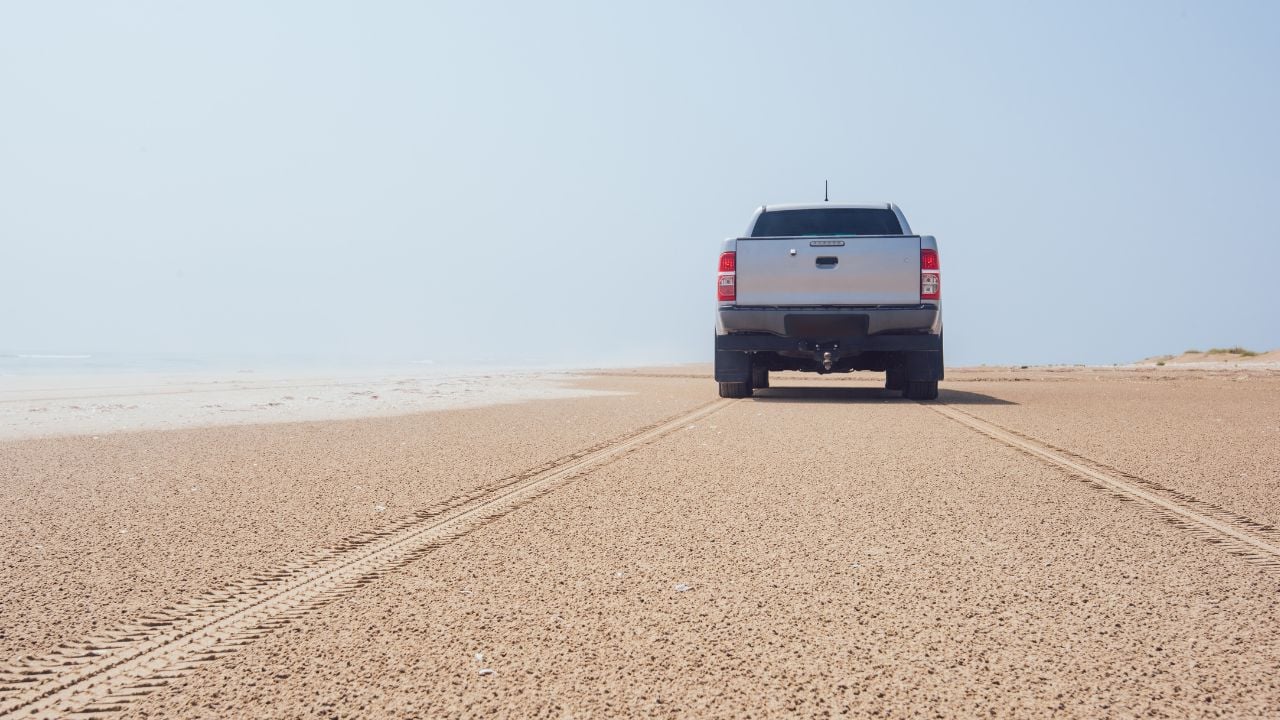
6 Beach-Driving Permits That Catch Tourists in Texas Off Guard Every Year

A Nueces County beach parking sticker has cost $12 a year for roughly two decades.
County commissioners voted this year to raise it to $20 in January 2027.
That’s one sticker, on one stretch of sand, and every other beach on the Texas coast sets a different price.
These are the beach-driving permits that catch tourists in Texas off guard every year.
Note: This is general information, not legal advice. Beach driving and parking permit rules, fees, and boundaries are subject to change.
Padre Island National Seashore
Padre Island National Seashore doesn’t sell a separate beach-driving permit at all.
The park’s entrance pass covers it, and tourists who show up assuming the open sand in front of them is free find out otherwise at the gate.
It isn’t.
A one-day private vehicle pass runs $10, and a seven-day pass runs $25.
The park’s fee page goes a step further, stating plainly that a Corpus Christi beach parking sticker doesn’t work inside the national seashore.
The two beaches sit only miles apart, and that sticker still won’t get you past the gate.
Drive off the open beach and into the dunes, the grass flats, or the mudflats, and a separate federal rule bans that too.
Corpus Christi and Port Aransas
Corpus Christi and Port Aransas share a stretch of beach that’s free and public under Texas law, yet parking a vehicle on it still takes a paid sticker.
That sticker has cost $12 a year for roughly two decades.
The price held there for twenty years.
Nueces County commissioners voted this year to raise it to $20, starting in January 2027.
You can grab the sticker at the county’s parks office, at beach booths on either beach, or even at a nearby H-E-B.
Why Corpus Christi’s Free Beach Still Charges to Park
Corpus Christi and Port Aransas can charge for parking because Texas’ Open Beaches Act only guarantees free access to the sand, not free parking on it.
Local beach management plans, approved by the Texas General Land Office, are what let Nueces County collect that sticker fee in the first place.
The county says it recovers only 2% to 4% of its beach costs from state reimbursement, which is part of why commissioners voted to raise the price.
Bolivar Peninsula
Bolivar Peninsula lets you drive its beach with zero permit at all.
Stop the vehicle and put it in park, though, and Galveston County requires a sticker on the windshield before you step out.
That sticker runs $10 a year, or just $5 if you buy it in January or February.
Miss that window, and the price doubles overnight.
No permit from Corpus Christi, Surfside, or anywhere else on this list counts here.
Only the county’s sticker works.
Galveston Island
Galveston Island runs a completely different system than Bolivar Peninsula, even though a short ferry ride connects the two inside the very same county.
There’s no sticker to buy ahead of time here.
The city charges $15 a day at its main beach access points, tracked by license plate instead of a paper permit, or $50 for a season-long pass.
Same county, different rules.
Two different city offices, the Parks Department and the Galveston Park Board, split up who collects that fee depending on which beach access point you pull into.
Surfside Beach
Surfside Beach requires its permit just to drive on the sand, not only to park on it.
That trips up visitors who assume Bolivar’s rules travel with them down the coast.
An annual permit costs $30, and a single day costs $15.
Driving is only allowed east of Highway 332, and beach traffic only moves one direction: eastbound.
No exceptions.
Turn around and head the wrong way, and that’s two rules broken at once.
South Padre Island
South Padre Island’s beach-driving permit rule is the simplest entry on this list: There’s no permit for a tourist to buy.
The city bans ordinary vehicles from its beaches outright, and the Shoreline Department spells out the rule in five words: Absolutely no motor vehicles.
Police cars, emergency vehicles, refuse trucks, and any vehicle the city separately authorizes by permit are the only vehicles allowed on the sand.
Breaking that rule can mean a fine as high as $2,000.
No sticker fixes that.
Every other beach on this list argues about price.
South Padre Island skips the argument because no permit exists for tourists to buy in the first place.
Psst! See how these six permit rules stack up side by side, and find your beach before you load up the car.
The Dune Line’s Different Law
Texas protects its dune line with a rule that has nothing to do with any parking sticker on this list.
That covers every beach.
The state’s Natural Resources Code sets the fine, no matter which permit happens to be sitting in your windshield.
A ticket for driving over that line can run as high as $2,000 per offense, stacked on top of whatever your parking sticker already cost you.
Cameron County posted warning signs on South Padre Island’s dunes back in 2022 as part of its erosion-prevention efforts, threatening prosecution for anyone who crosses them.
Dune grass takes years to come back after a truck flattens it in a single pass.
That’s why rangers up and down the coast treat that line as harder to cross than any parking gate.
9 Texas Hurricane Evacuation Mistakes Coastal Residents Still Make
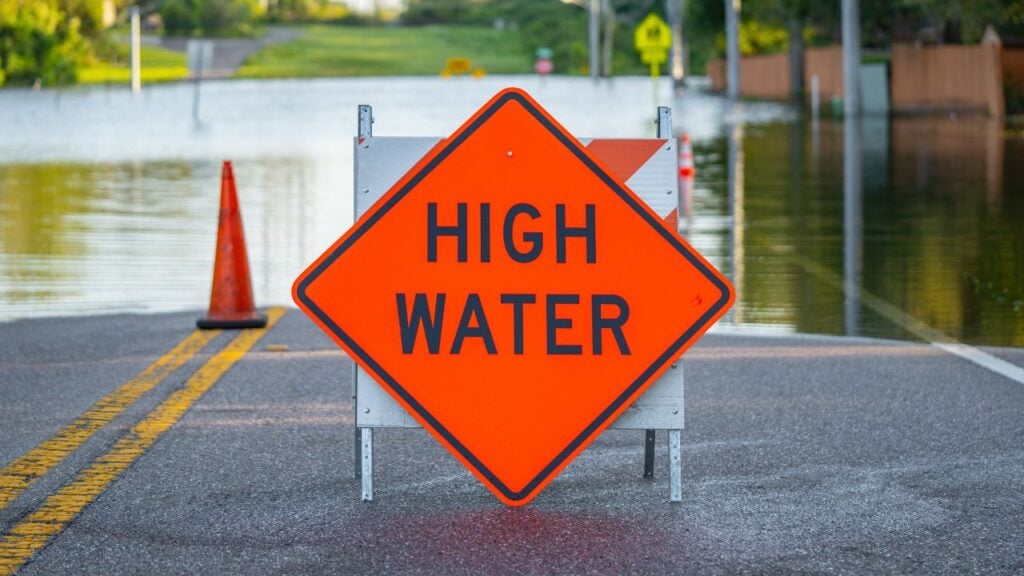
Hurricane Harvey put Rockport in its path in 2017, and about four in ten residents stayed home anyway.
The mistakes that keep costing coastal Texans start long before landfall, and many of them are still easy to make today.
9 Texas Hurricane Evacuation Mistakes Coastal Residents Still Make
8 Texas Dance Hall Rules Newcomers Break Their First Night

Gruene Hall didn’t add any air-cooling system until recently, and even now it only takes the room down to about 85 degrees.
A Texas dance hall runs on manners nobody posts on a sign, from what you wear to who gets the floor.
