
6 Costs That Decide What Georgians Pay to Replace a Roof

Georgia is one of the states where an insurer can attach a named-storm deductible to a homeowners policy.
That deductible runs as a percentage of the home’s insured value, not a flat dollar amount.
These are the costs that decide what Georgians pay to replace a roof.
Note: This is general information, not legal, contracting, or coverage advice. Contractor licensing, permitting, and coverage terms vary by city, county, and insurer, and are subject to change.
1. Roofing Material
A Georgia roof’s price starts with the material sitting on the sample board, long before a crew ever shows up.
National cost data pegs basic three-tab asphalt shingles at about $5 a square foot installed, the cheapest common choice and one that still covers many older Georgia rooftops.
Switch to standing-seam metal, and that number jumps to roughly $18.64.
Clay tile costs even more, close to $21.37 a square foot.
Same house, same size roof, and the material alone can double or quadruple the bill.
Nothing else changed.
A humid, hail-prone climate is why many homeowners choose heavier architectural shingles instead of the bargain three-tab option.
Popular choices include roofing manufacturer GAF’s Timberline line and Owens Corning’s Duration series.
2. Your Roof’s Size
Your roof’s size scales the bill in a straight line, no matter which material tops it.
A 2,000-square-foot asphalt roof runs about $10,042 installed, per the same national cost data.
Add a thousand more square feet, and that same shingle job rises to around $14,966.
Larger new-construction homes, especially the two-story houses filling metro Atlanta subdivisions, carry proportionally bigger roofs and bigger bills to match.
Size always costs more.
3. Roof Pitch
A Georgia roof’s pitch decides how a crew works on it, and that changes the labor bill.
Roofers walk a low, easy slope with nothing more than a ladder and standard boots.
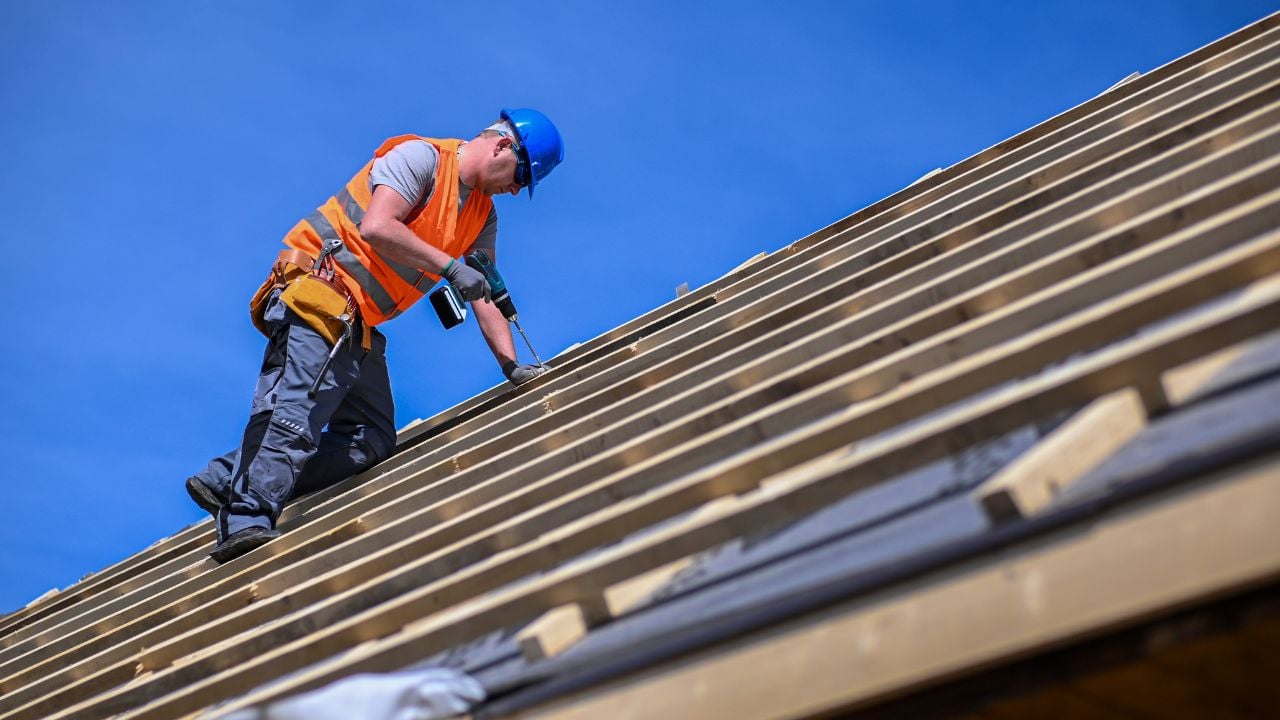
A steep, multi-plane roof needs ropes, harnesses, and roof jacks instead, and all of that gear slows the crew down.
Dormers, valleys, and extra angles waste more shingles at every cut, too, on top of the slower pace.
Pitch changes the price.
4. Layers Already in Place
Georgia’s homes fall under a statewide building code that sets a hard limit on how many roofs can stack on top of each other.
That code won’t let a roofer add a third layer of shingles once a house already carries two.
Hit that limit, and the whole roof comes off the deck before anything new goes on.
Tearing off two layers down to the deck typically adds $1,500 to $4,500 in removal and hauling costs on top of the new roof’s price, per national cost estimates.
That’s an extra bill.
Older homes around Athens or Savannah that got a quick recover decades back instead of a full tear-off are usually the first to hit this wall.
5. Local Permit Rules
Every Georgia city and county sets a different price for the paperwork on a roof replacement.
Atlanta’s Code of Ordinances sets a $360 minimum fee for re-roofing an existing structure.
A different Georgia county can set that fee lower or fold a roof replacement into a general renovation permit with no separate roofing fee at all.
The address matters too.
6. Your Insurance Deductible
Your homeowners insurance decides a separate piece of what a Georgia roof replacement costs, apart from the contractor’s bid.
Georgia is one of the states where an insurer can attach a named-storm deductible instead of a flat dollar amount.
That deductible runs 1% to 10% of the home’s insured value, not the roof’s price.
On a home insured for $300,000, a 2% named-storm deductible leaves the homeowner owing the first $6,000 before the policy pays a cent toward the new roof.
That math surprises many homeowners.
The Math Behind a Named-Storm Deductible
A named-storm deductible on a Georgia policy isn’t the same flat $1,000 or $2,500 deductible that covers a burst pipe or a kitchen fire.
It’s a percentage of the home’s insured value, so it stays the same whether the storm knocks loose three shingles or the whole roof.
A $400,000 Georgia home carrying a 5% named-storm deductible owes $20,000 out of pocket before the insurer contributes a dime toward that roof.
Storm Season’s Price Tag
Roofing bills move with the calendar as much as with the material list.
Large hail hits North and Central Georgia about seven days a year on average, and April is the peak month.
Timing is a cost too.
Homeowners file a fresh wave of insurance claims after every one of those hail days, all funneling into the same small pool of roofing crews.
Contractors booked solid after an April storm can push a homeowner’s start date into summer.
A rushed crew working overtime through a backlog often bills more than the same crew would in a slow week come January.
Here’s how the most common roofing choices in Georgia compare side by side.
License Gap
Georgia never requires a roofer to hold a state license, no matter the size of the job.
The state’s list of exempt specialty trades names roofing directly under three separate categories.
That means a homeowner can’t check a license number the way they would for an electrician or a plumber.
General contractors doing other kinds of construction work need a state license once a job passes $2,500.
Roofers don’t.
A trade group, the Georgia Roofing Contractors Association (GARCA), runs a voluntary certification for roofers.
It’s formerly known as the Roofing and Sheet Metal Contractors Association, and it’s the closest thing to a credential many homeowners will find.
That certification stays optional, and many steady, experienced crews never bother to join.
Workers’ compensation coverage isn’t tied to any license Georgia issues for roofing, since none exists.
A homeowner who skips that check can end up covering an injured worker’s medical bill through their homeowners policy instead of the contractor’s.
6 Arguments South Carolina and Georgia Will Never Settle
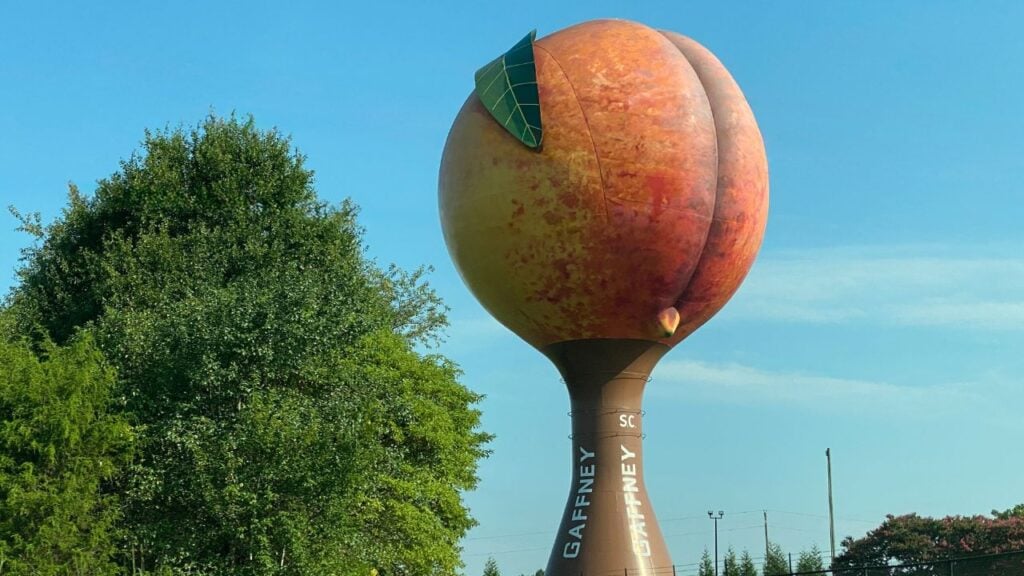
A roof replacement isn’t the only thing Georgians and their neighbors across the Savannah River can’t fully agree on.
The border between the two states has landed in front of the Supreme Court more than once, and the peach crop gets fought over just as hard.
6 Arguments South Carolina and Georgia Will Never Settle
6 Publix Customer Service Desk Requests Georgia Shoppers Never Think to Make

Georgia’s paperwork gaps aren’t limited to the roofing trade.
Publix’s customer service counter runs on a set of rules many Georgia shoppers never think to ask about, right down to a $400 cap on the store’s ATM network.
6 Publix Customer Service Desk Requests Georgia Shoppers Never Think to Make
