
6 Florida Homestead Loopholes Snowbirds Use That Year-Round Residents Can’t

Florida’s Save Our Homes cap holds a homesteaded property’s assessed-value growth to 3% a year, or the inflation rate, whichever is lower.
Starting that clock early is worth more than the exemption itself.
A snowbird gets to choose when it starts. Floridians never had that choice.
These are the Florida homestead loopholes snowbirds use that year-round residents can’t.
Note: This is general information, not legal or tax advice. Homestead rules, exemption amounts, and filing deadlines are subject to change, so confirm the current details with your county property appraiser.
Filing a Declaration of Domicile
Florida’s homestead exemption assumes a person has exactly one home, and many people moving south don’t start out that way.
State law gives them a fix.
A person who still owns or rents a place in another state can file a sworn declaration with the circuit court clerk, naming their Florida address as their predominant home.
That same filing tends to show up later, too, in a bank dispute or a fight with a former home state over who gets to tax someone’s income.
Nothing to declare.
A homeowner who has only ever lived in Florida has no competing address to beat.
The form just sits unused, if anyone in the office has even heard of it.
Locking in a Full Year Early
Florida ties its homestead exemption to one date on the calendar: January 1.
Miss that snapshot, and the whole year is gone.
Someone who becomes a Florida resident before January 1, and files by March 1, collects that whole year’s exemption, worth up to $50,000.
The same move starts Florida’s Save Our Homes cap, which slows a home’s assessed-value growth to 3% a year or the inflation rate, whichever is lower.
Say a snowbird’s new Florida house is worth $400,000 the year they convert it.
They lock in that cap the first March instead of waiting five or six years.
The gap between the home’s market value and its taxable value only grows wider every year the market rises.
It adds up fast.
A snowbird converting to homestead status has usually held that Florida property for a year or more already, as a seasonal home bought long before the move turned permanent.
That head start turns the conversion date into a choice, not an event forced by a closing calendar.
A snowbird can set Florida domicile in December instead of February, simply by changing intent and paperwork on a house they already hold the keys to.
Someone moving to Florida for the first time rarely gets that choice.
They’re closing on a new purchase, unwinding a home sale somewhere else, and coordinating a move, all in the same stretch of weeks.
Whichever of those three moves slowest sets the date they cross into residency, not preference.
A year-round resident who has held the same Florida home for decades never faces that choice at all.
Building the Paper Trail
Florida doesn’t take a new arrival’s word for it.
The property appraiser weighs ten factors laid out in state law, and a driver’s license and a voter card are only two of them.
Vehicle tags, the address on last year’s federal tax return, even where the utility bill lands, all count toward proving where someone lives.
Every document has to agree.
A lifelong resident has never needed to build that file because there’s no other address competing for the title.
What Florida’s Domicile Checklist Covers
Florida’s property appraiser weighs ten separate signs of where someone lives, not just a license and a voter card.
The list also covers where any kids go to school, where a paycheck comes from, bank statements, and how recently someone gave up residency somewhere else.
No single item settles it alone, so a snowbird mid-move usually has to line up several of them at once before the file looks solid.
Renting Out the House up North
Florida’s homestead rule only cares about the home Florida is protecting.
State law treats renting out a homestead as abandonment only once it’s leased for more than 30 days a year for two years running.
Nothing in that rule touches a house somewhere else.
Both stay legal at once.
A snowbird can lease the emptied house up north for the months they’re away and pocket the rent while their Florida exemption keeps running, full price, the whole time.
A year-round resident with one house, in one state, has no second property sitting empty to rent out in the first place.
Psst! How much do you know about Florida’s homestead rules? Tap through these cards and see how many you can call right.
Missing March 1 Anyway
Florida’s March 1 deadline sounds absolute, and for many homeowners it is.
When a move gets mixed up with a home sale, a new job, or a slow mail forward, Florida law still leaves a door open.
A property appraiser can grant the exemption late for extenuating circumstances.
Say no, and the homeowner can still petition the county’s Value Adjustment Board within 25 days, for a $15 fee that barely registers next to the exemption at stake.
The clock isn’t always final.
A snowbird’s move rarely happens in one clean trip.
Many arrive in November, head back north for the holidays, and don’t return to stay until February, splitting one move across two calendar years.
That piecemeal pattern is exactly the ambiguity the late-filing window exists to catch, since the property appraiser has to pin down one move-in date out of several partial ones.
Someone who makes one clean, one-way move rarely creates that same ambiguity.
Someone who filed the very same application a decade ago and hasn’t touched it since almost never needs it.
Splitting a Marriage’s Address
Florida law treats a homestead as belonging to a person, not automatically to a couple.
That distinction matters more than many newlyweds realize.
The Florida Supreme Court’s Judd v. Schooley ruling confirms one spouse can claim a Florida homestead in good faith even while the other spouse stays legally domiciled in another state.
Each spouse still has to meet the state’s bona fide permanent-residence test independently for it to hold up.
The property appraiser doesn’t take either spouse’s word for it, weighing the same paper trail as anyone else and requiring genuine, good-faith intent from both.
Two addresses, one marriage.
A couple who has only ever owned one home, together, in Florida, has no second domicile to split in the first place.
Why September 18 Hits New Homesteads Hardest
Florida’s Value Adjustment Board deadline lands on September 18 in Miami-Dade, Orange, and many other counties this year, and it doesn’t hit every homeowner the same way.
A longtime homesteaded resident has had the Save Our Homes cap holding their assessed value down for years, so there’s rarely much left worth appealing.
A newly converted homestead has no such head start.
Its assessed value showed up at full market price the first year.
That gap between the number and reality tends to be widest right when someone has just made Florida their address.
New arrivals gain more.
The deadline belongs to every property owner, longtime resident and new arrival alike.
But the math behind it favors newer homesteads over older ones: Their fresh conversions still sit at full market value, with no Save Our Homes cap built up yet.
9 Florida HOA Rules That Blindside First-Time Buyers
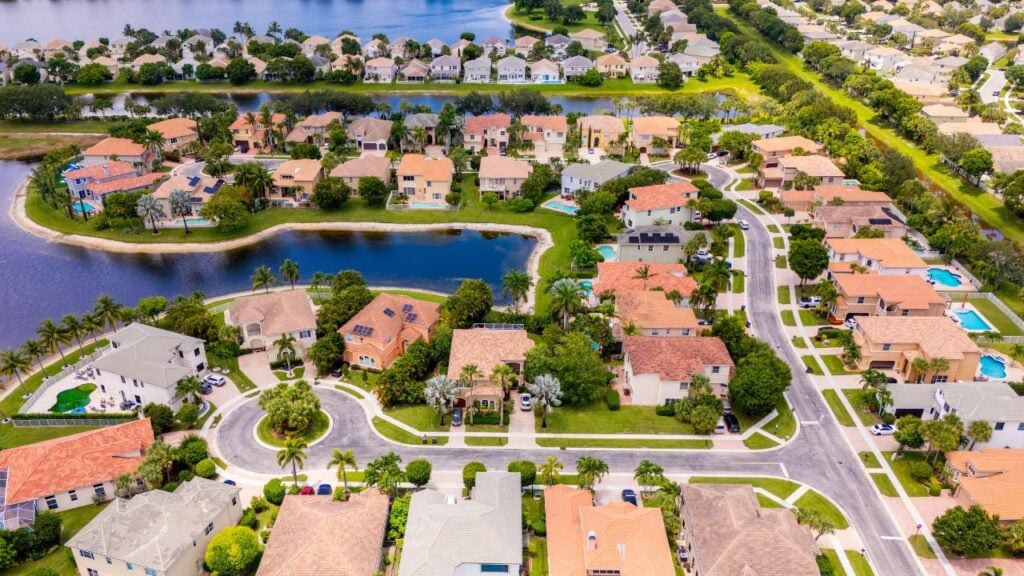
A moving truck barely finishes unloading in a new Cape Coral driveway before a certified letter shows up in the mailbox.
It isn’t a welcome basket, and Florida’s homeowners association (HOA) rules blindside first-time buyers the same way, sometimes before every box is even unpacked.
9 Florida HOA Rules That Blindside First-Time Buyers
9 Florida Boat Registration Rules That Catch New Owners Off Guard
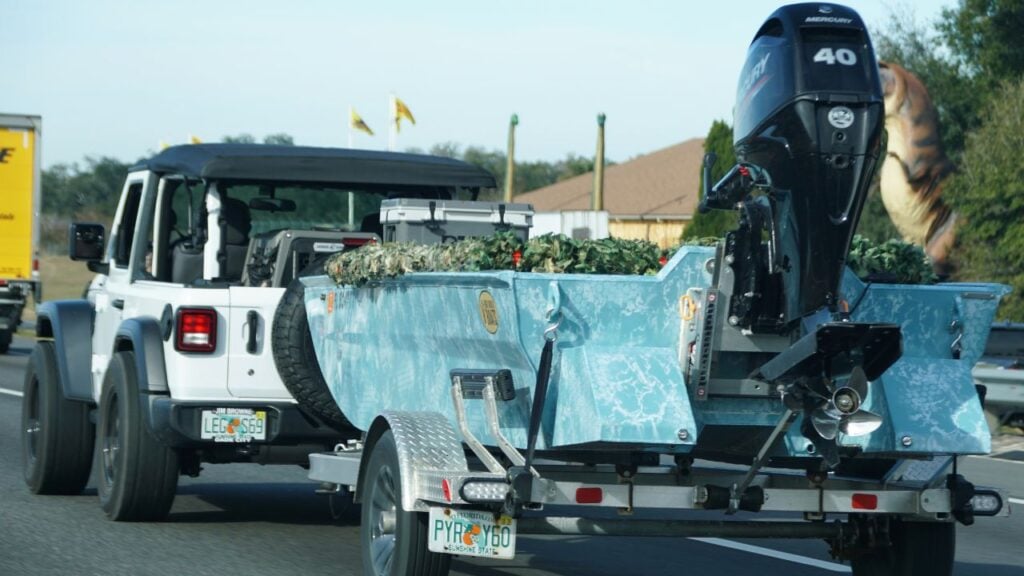
More boats are registered in Florida than in any other state in the country, according to state wildlife officials.
Every single one of them passed through the same tangle of paperwork, and it catches new owners off guard long before their boat ever backs down the ramp.
9 Florida Boat Registration Rules That Catch New Owners Off Guard
