
6 Gravel Road Rules Iowans Follow Without Thinking About It

You turn your truck onto an Iowa gravel road after a long stretch of rain, and a sign says you’re too heavy.
That sign comes from your county, not the state.
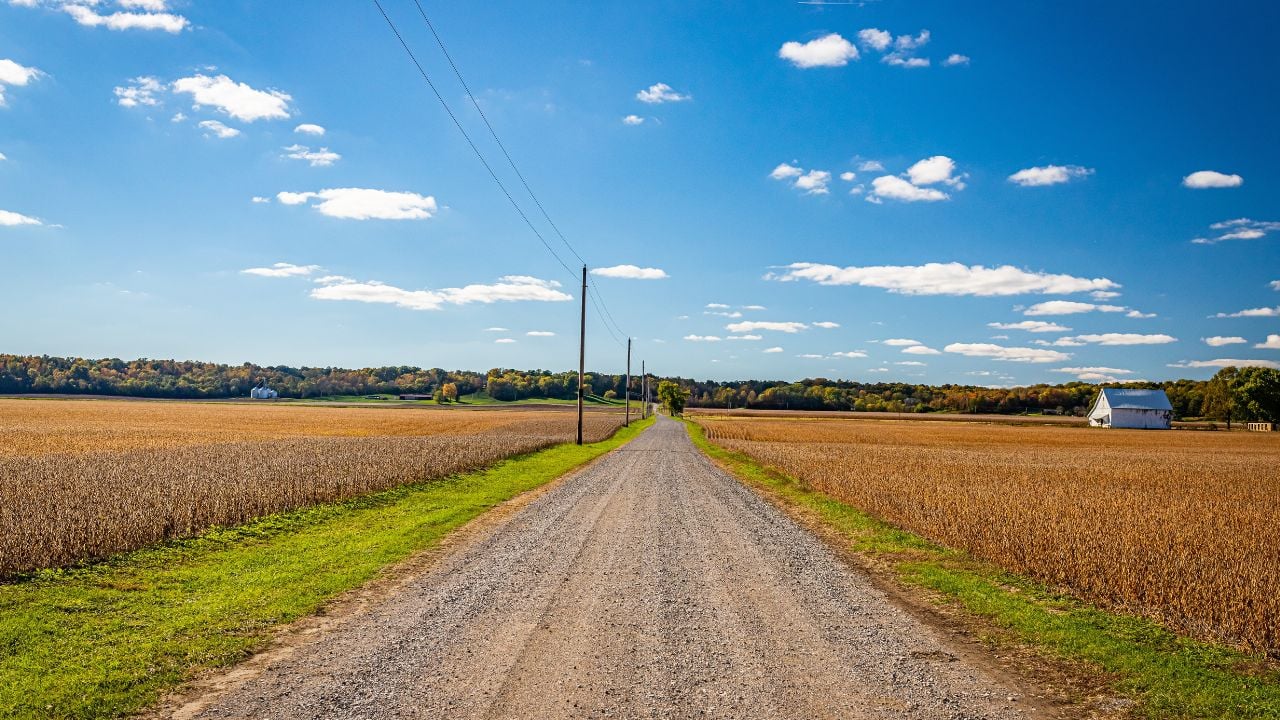
Here are the gravel road rules Iowans follow without thinking about it.
Note: This is general information, not legal advice. Road rules and county policies are subject to change, so confirm the current requirements with your county engineer’s office.
1. Day and Night Speed Limits
On a county gravel road, the 2025 Iowa Code caps your speed at 55 miles per hour between sunrise and sunset.
After sunset, the cap drops to 50 miles per hour.
That’s only your ceiling.
You still have to drive at a reasonable and proper speed.
On loose gravel, many drivers ease off well before the cap.
Iowa raised its default speed limit to 60 miles per hour on July 1, 2026, so confirm which limit applies on your road.
A county board of supervisors can set a lower limit, and it takes effect once signs go up.
2. Level B Roads
Not every gravel road gets the same upkeep.
A county board of supervisors can classify a gravel road as Area Service B, which Johnson County calls Level B.
The Johnson County ordinance promises only minimum effort, expense and attention on a Level B road.
Blading or dragging won’t happen on a regular basis.
A county has to post signs on a Level B road, so you can tell before you turn onto it.
If a Level B road damages your vehicle, Iowa law shields the county from liability, as long as it kept the road at that lower level.
Inside Johnson County’s Level B Rules
If you drive a Level B road in Johnson County, the ordinance says its bridges and culverts might not be maintained to carry legal loads.
If you own land along a Level B road, the board of supervisors acts on upgrade petitions from at least 50% of the landowners there.
The board can require half the cost of an upgrade.
Johnson County makes one snow exception, for a Level B road that serves a home and has a rock permit approved within the previous five years.
3. Posted Weight Limits
A county can post weight limits on its gravel roads when rain, snow or other climate conditions would seriously damage them.
The county has to adopt an ordinance or resolution first.
A posted restriction can last up to 90 days in a calendar year.
Farm implements are exempt.
During a seasonal restriction, a county has to issue permits when you show a need to move perishable farm produce, farm feed or home-heating fuel.
If you haul a heavy load, you have to obey the limit on the sign.
Psst! How much do you know about Iowa’s roads and bridges? Take our quiz and see if you can ace it.
Quiz
Iowa Roads IQ
Answer these questions on Iowa’s roads, bridges and farm-country road laws. We bet you can’t get them all right. Prove us wrong?
Iowa’s counties own about how many bridges?
4. Dust Control Permits
Dust control permits for a gravel road depend on where you live.
If your land borders a gravel road in Johnson County, you can apply for a permit to hire an approved dust contractor.
The county limits treatments to two a year.
You pay 100% of the cost.
Tama County allows dust control on rock roads, but the county doesn't apply it.
The engineer's office has to approve any dust control before it goes down.
5. 66 Feet of Right-of-Way
The right-of-way for a secondary road, such as a county gravel road, is 66 feet by default, unless the county board of supervisors picks another width.
Inside that strip, growing crops is against the law.
That includes corn.
Dumping crop residue, brush or machinery in that strip is prohibited too.
If an obstruction creates an immediate hazard, the county can remove it right away.
Tall corn can block your view at a corner.
A 2018 local news report says the Iowa Department of Transportation advises you to act as if a stop sign were there.
6. July 15 Mowing Date
Mowing along a gravel road is prohibited before July 15, with a list of exceptions.
Minnesota's date is later, since its law lets an entire right-of-way be mowed after July 31.
In Minnesota, the first eight feet away from the road surface or shoulder can be mowed at any time.
Back in Iowa, the exceptions include mowing for visibility and safety.
You can mow to reach your mailbox.
Assured Clear Distance
On a gravel road, the speed statute bars you from driving faster than lets you stop within the assured clear distance ahead.
You have to weigh the traffic, the surface, the width of the road and any other conditions then existing.
When a truck kicks up dust, many drivers hang back until it settles before they pass.
10 Foods and Drinks Iowans Grew Up On That Horrify Out-of-Staters

Growing up in Iowa can leave you with food habits that look perfectly normal to you and a little alarming to guests.
Ask Iowans about them, and you may get a shrug or a long defense.
10 Foods and Drinks Iowans Grew Up On That Horrify Out-of-Staters
7 Things Fareway Does Differently Than Hy-Vee That Iowans Notice
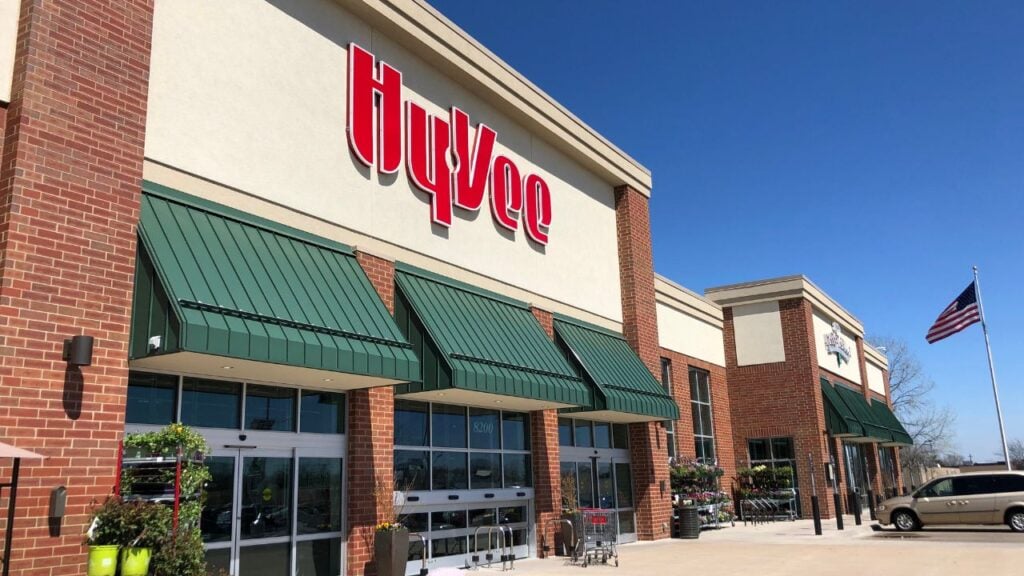
Many Iowans have a favorite grocery store and stick with it.
The two chains can look alike from the road, but the differences show once you step inside.
7 Things Fareway Does Differently Than Hy-Vee That Iowans Notice
