
6 Hurricane Prep Habits Longtime North Carolinians Never Skip

North Carolina has taken a direct hurricane hit about once every two years since 1851, according to the North Carolina State Climate Office.
Lifelong residents know the drill.
These are the hurricane prep habits longtime North Carolinians never skip, no matter how calm the forecast looks.
Note: This is general information, not insurance advice. Waiting periods and coverage-binding rules are subject to change, so confirm the specifics with your insurer or agent.
1. Locking in Coverage Early
North Carolinians who’ve ridden out more than one hurricane season treat their insurance like a countdown, not an afterthought.
A new flood policy through the National Flood Insurance Program carries a 30-day wait before it takes effect, according to the North Carolina Department of Insurance.
Buy it the week a storm shows up in the forecast, and it won’t cover that storm at all.
No insurer moves it up.
It’s why longtime residents don’t gamble on timing: the state’s average gap between direct hits has run about every two years since 1851.
North Carolina’s own windstorm insurer, the state’s Beach and Fair Access to Insurance Requirements (FAIR) Plans, stops writing new or bigger coverage once a hurricane’s center enters a wide stretch of the Atlantic.
The freeze holds until regulators lift it.
Two days can cost you the claim.
How North Carolina’s Storm Freeze Works
North Carolina’s Beach and FAIR Plans freeze new coverage at 12:01 a.m. the day after a named storm’s center sits somewhere between 60 and 90 degrees west longitude and 11.5 and 37 degrees north latitude, a box that covers much of the Atlantic basin.
During Hurricane Helene in September 2024, that freeze ran from September 26 through September 28, and anyone who hadn’t already renewed missed the window completely.
2. Memorizing Their Zone Letter
North Carolina’s coastal counties use a system called Know Your Zone to sort hurricane evacuations into zones labeled A through E.
Zone A goes first.
Twenty-one coastal counties use the system, covering neighborhoods from the barrier islands and the Outer Banks inland toward Pitt and Duplin counties.
Local officials in each county draw those boundaries around storm-surge risk, flooding, and population density, so one county might stop at Zone B while its neighbor runs all the way to Zone E.
Waiting for a news anchor to announce it burns hours nobody has.
Pull up the state’s zone lookup tool every spring, type in your address, and file the letter away long before hurricane season opens on June 1.
3. Photographing the House First
North Carolina’s own Department of Insurance tells homeowners to build a home inventory before a storm, not after one.
Walk every room, photograph what’s inside, and write down what it’s worth.
Memory alone won’t cut it.
The same file holds copies of insurance policies, IDs, and prescriptions.
None of it stays in the house: Longtime residents keep a copy in a cloud folder, an email draft, or with a relative two counties inland.
An adjuster who shows up three weeks later, arguing over a water stain, sides with whoever already has the before-and-after photos.
Psst! How hurricane-ready is your home? Run through this checklist and see where you stand.
4. Topping off the Tank of Gas Early
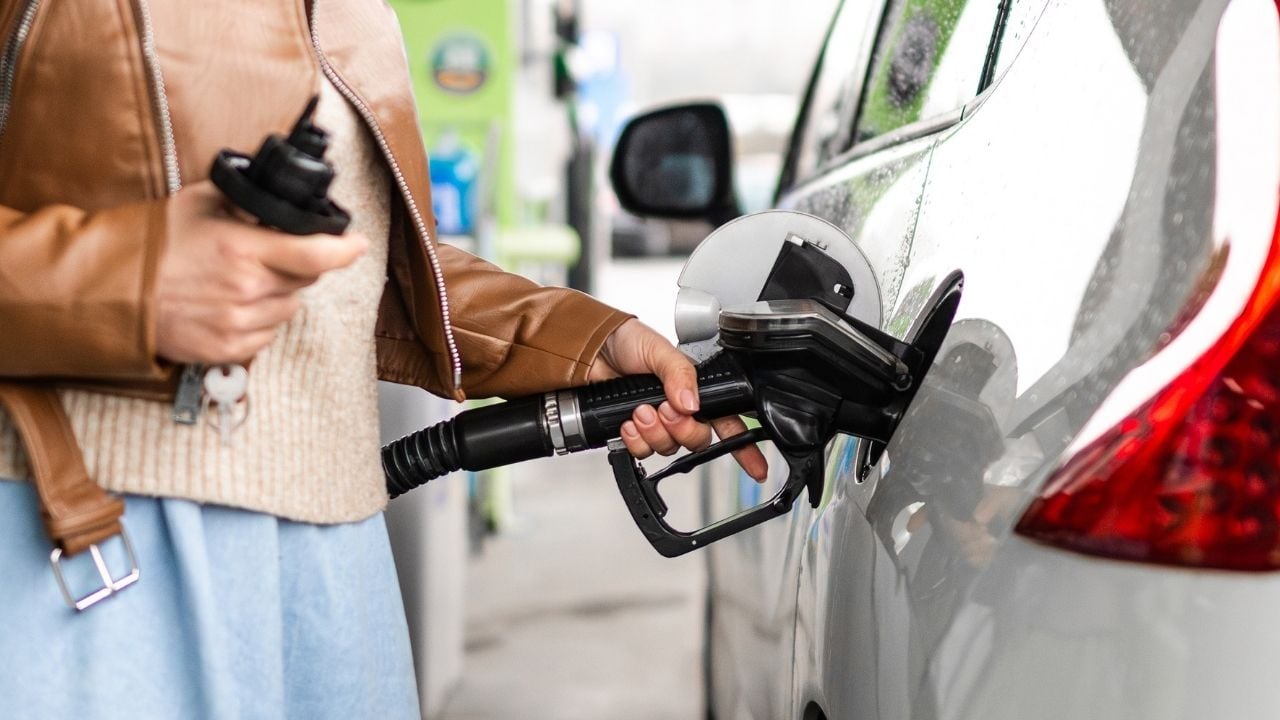
North Carolina drivers found out what a slow fill-up costs during Hurricane Florence in 2018.
By Friday afternoon, more than half of Wilmington’s gas stations had run dry, the same day Florence made landfall, according to Fox Business.
Inland Charlotte saw a fraction of that same shortage, under eight percent of its gas stations empty that same week.
The coast runs out first.
North Carolina’s own emergency management agency lists a full tank of gas alongside a chosen evacuation route, part of the same pre-season checklist as knowing your zone.
Longtime residents top off a full tank of gas at the first advisory, not the first watch.
A spare five-gallon gas can for the generator goes in the truck bed the same afternoon.
5. Packing Cash Into the Kit
North Carolina residents who stock a hurricane kit keep cash in it, not just batteries and bottled water.
Power outages can knock out ATMs and checkout registers within the same afternoon a storm makes landfall.
Plastic doesn’t work without power.
North Carolina State University’s Cooperative Extension recommends keeping a mix of smaller bills, $1 to $20, with the rest of the supply kit rather than pulled from a machine at the last minute.
Refresh that envelope every spring, the same week you check the batteries.
It won’t be the one thing missing when you’re already loading the car.
6. Picking the Generator’s Spot
North Carolina’s own health officials have tied hurricane-season deaths directly to generators running inside a garage or too close to a window, according to the North Carolina Department of Public Safety.
State guidance calls for at least 20 feet between a generator and any door, window, or vent.
Twenty feet, every time.
Longtime North Carolinians don’t wait until the power’s out and the yard is dark to figure out where that spot is.
They run that same generator for ten minutes each spring, just to hear it catch and make sure the fuel hasn’t gone stale over the winter.
A generator that won’t start at hour six of an outage is just an expensive yard ornament.
9 North Carolina Mountain Sayings That Leave Flatlanders Completely Lost

North Carolina’s mountain counties speak a dialect all their own, and making plans to go “sanging” this weekend has nothing to do with karaoke.
These are the North Carolina mountain sayings that leave flatlanders standing there completely lost.
9 North Carolina Mountain Sayings That Leave Flatlanders Completely Lost
9 Mistakes First-Time Visitors Make on North Carolina’s Blue Ridge Parkway
One seven-mile stretch of North Carolina’s Blue Ridge Parkway logged 144 crashes in six years, and many first-time drivers never see a number like that coming.
These are the mistakes first-time visitors make on North Carolina’s Blue Ridge Parkway.
9 Mistakes First-Time Visitors Make on North Carolina’s Blue Ridge Parkway
