
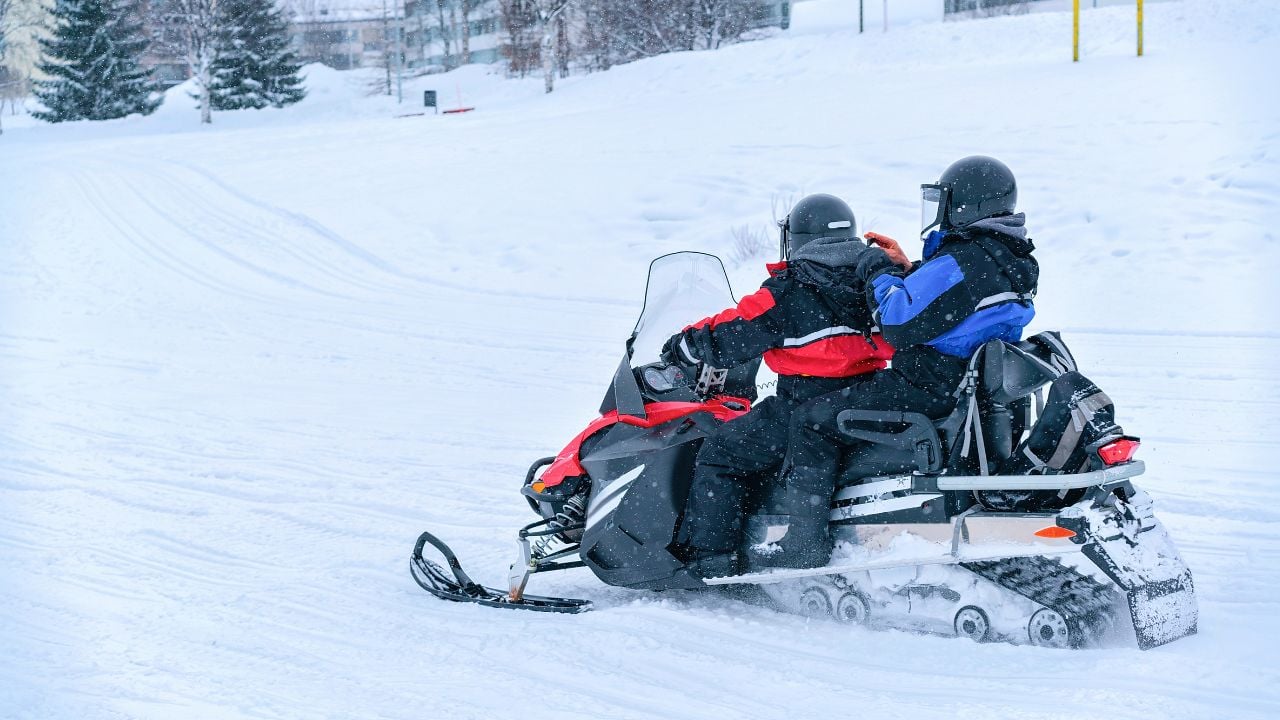
6 Michigan Snowmobile Rules That Can Get You Fined

Once a season, Michigan lets you ride DNR trails for free, no registration or permit needed.
Trails open Dec. 1, and the rest of the season, skipping the rules can result in a fine.
Here are the Michigan snowmobile rules that can get you fined.
Note: This is general information, not legal advice. Snowmobile rules, fees and fines are subject to change, so confirm the current requirements with the DNR.
1. Trail Permit Stickers
A Michigan snowmobile trail permit costs $65, and you need one to ride on public land.
That’s up from $52 after a required five-year adjustment tied to inflation.
You have to affix the sticker permanently to your sled, directly above or below the headlight.
The state’s snowmobile trails run from Dec. 1 through March 31.
Your permit, though, runs Oct. 1 through Sept. 30.
Last winter’s sticker is done.
It ran out Sept. 30, so check the date on yours.
Riding without the permit, or without the sticker on your sled, can get you a state civil infraction, which is a violation but not a crime.
A court can order you to pay a civil fine of up to $100.
2. Registration Decals
Snowmobile registration is a separate rule from the trail permit, and it’s good for three years.
You register your sled with the Michigan Secretary of State.
Your registration decals go on both sides of the forward half of the cowl, above the footwell, so make sure both sides have one.
Riding in from another state or province?
A valid home registration counts.
Even a sled you use only to reach an ice-fishing spot has to be registered, though it skips the trail permit.
Riding with no registration or decal can bring a fine of up to $50.
If the decals are on your sled but not placed that way, a first offense is a state civil infraction with a fine of up to $150.
A sled that never leaves land you own or control is exempt.
3. Youth Safety Certificates
Snowmobile age rules in Michigan start with two numbers, 12 and 17.
A child under 12 can ride only under direct adult supervision, unless the child’s parent or guardian owns or controls the land.
That child can’t cross a highway or street at all.
Not even with supervision.
Riders from 12 through 16 can go without an adult beside them if they carry a snowmobile safety certificate.
Without that certificate, a rider in that age group can’t cross a highway either.
A valid certificate from another state or province means your rider can skip Michigan’s course.
If your young rider leaves the certificate at home, the fine can reach $25.
If you own the sled, you can’t let a young rider break these limits.
Psst! How much do you know about Michigan snowmobiling? Take our quiz and see how many you can get right.
Quiz
Michigan Snowmobile IQ
Answer these questions on Michigan snowmobile rules and trails. We bet you can’t get them all right. Prove us wrong?
You’re heading out to hunt by sled. What does Michigan law say about a firearm riding along?
4. Muffler Noise Limits
Does your muffler meet the rules?
You need a muffler in good working order, and it has to work for the whole ride.
For snowmobiles made after July 1, 1980 and sold in Michigan, the noise limit is 88 decibels in a stationary test.
A separate 78-decibel limit, measured at 50 feet, covers snowmobiles made after July 1, 1977.
A muffler violation can cost you a civil fine of $100 to $250.
Overnight, one more rule applies.
Between midnight and 6 a.m., you have to hold your sled to the slowest speed that keeps it moving when you're within 100 feet of a home.
5. Riding Under the Influence
A first conviction for riding a snowmobile under the influence can bring a fine of $100 to $500.
That's a misdemeanor, not a civil infraction.
The court can order up to 93 days in jail, up to 45 days of community service, or any combination of the three penalties.
What counts as under the influence?
You can't operate a snowmobile under the influence of alcohol or a controlled substance.
A blood alcohol content of 0.08 or more is illegal on its own.
If you're under 21, any alcohol in your body counts, whether or not the reading reaches 0.02.
A second conviction within seven years means a fine of $200 to $1,000, plus at least 48 hours in jail or 10 days of community service.
Third conviction? A felony.
The sentence is one to five years, a fine of $500 to $5,000, or both.
If you own the sled, knowingly letting a rider under the influence take it out is a misdemeanor too.
The punishment is a fine of $100 to $500, up to 93 days in jail, or both.
6. Highway Right-of-Way
Outside a few exceptions, you can't ride a snowmobile on public highways, streets or parking lots that aren't set up for sleds.
One exception is the right-of-way along a public highway, where you ride at the extreme right of the open portion, moving with traffic.
Riding against traffic is allowed only on a trail the DNR has designated.
You ride single file, and unless a snowmobile limit is posted, you can't top the highway's posted speed limit.
Limited access highways are off-limits, unless a snowmobile trail the DNR designated and the state transportation department approved uses that right-of-way.
Coming up on a highway with the trail on the far side?
You stop completely, yield to oncoming traffic and cross at a right angle.
Cross only when you can do it safely and no other vehicle is crossing at the same time.
A rolling stop doesn't count.
These violations can be misdemeanors under Michigan's snowmobile law, and the state's general misdemeanor law sets the punishment at up to $500, 90 days in jail, or both.
Free Snowmobiling Weekend
Once a season, the DNR picks a Free Snowmobiling Weekend when you can ride DNR trails without a registration or a trail permit.
It covers residents and out-of-state visitors alike, the DNR says.
DNR trails only.
Every other snowmobile rule still applies, so you still have to follow the age, muffler and alcohol rules above.
The DNR says riders 12 to 16 still have to take a Michigan-approved safety course.
Where Permit Money Goes
Riders fund Michigan's snowmobile program through trail permit and registration dollars, the DNR says.
That money pays for trail brushing and grooming by snowmobile clubs, equipment grants for those clubs, trail signs and maintenance, and trailhead amenities such as restroom maintenance and parking-lot plowing.
The registration you pay on your sled supports the purchase of trail easements, law enforcement on trails and safety education.
A small slice of each permit fee goes to the DNR for administrative costs, and agents who sell permits keep a small share.
The rest goes into the recreational snowmobile trail improvement subaccount.
Bad Roads Cost Detroit-Area Drivers Nearly $3,000 a Year, a Report Found
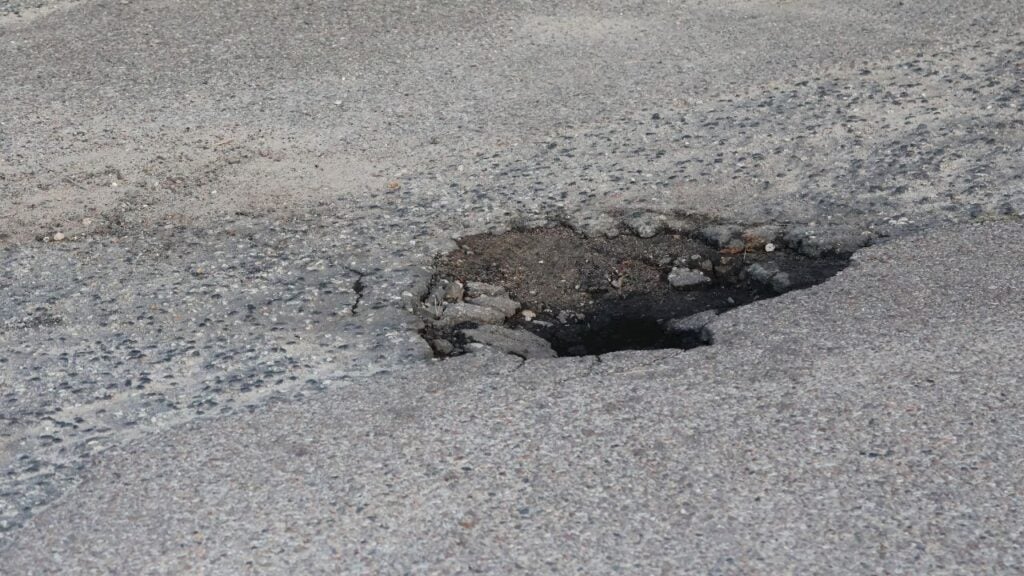
Ever hit a pothole and wondered what it cost you?
A transportation research nonprofit estimated what rough roads cost Michigan drivers.
Bad Roads Cost Detroit-Area Drivers Nearly $3,000 a Year, a Report Found
10 Ways One Side of Michigan Feels Like a Different State From the Other
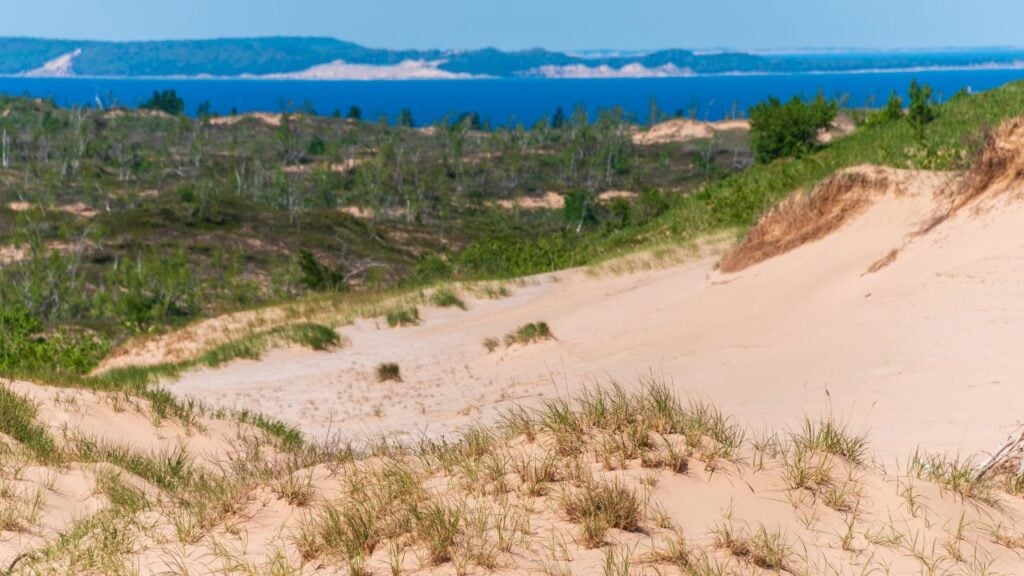
Ever notice how different the two sides of Michigan can feel?
This list sets them side by side, snow included.
10 Ways One Side of Michigan Feels Like a Different State From the Other
