
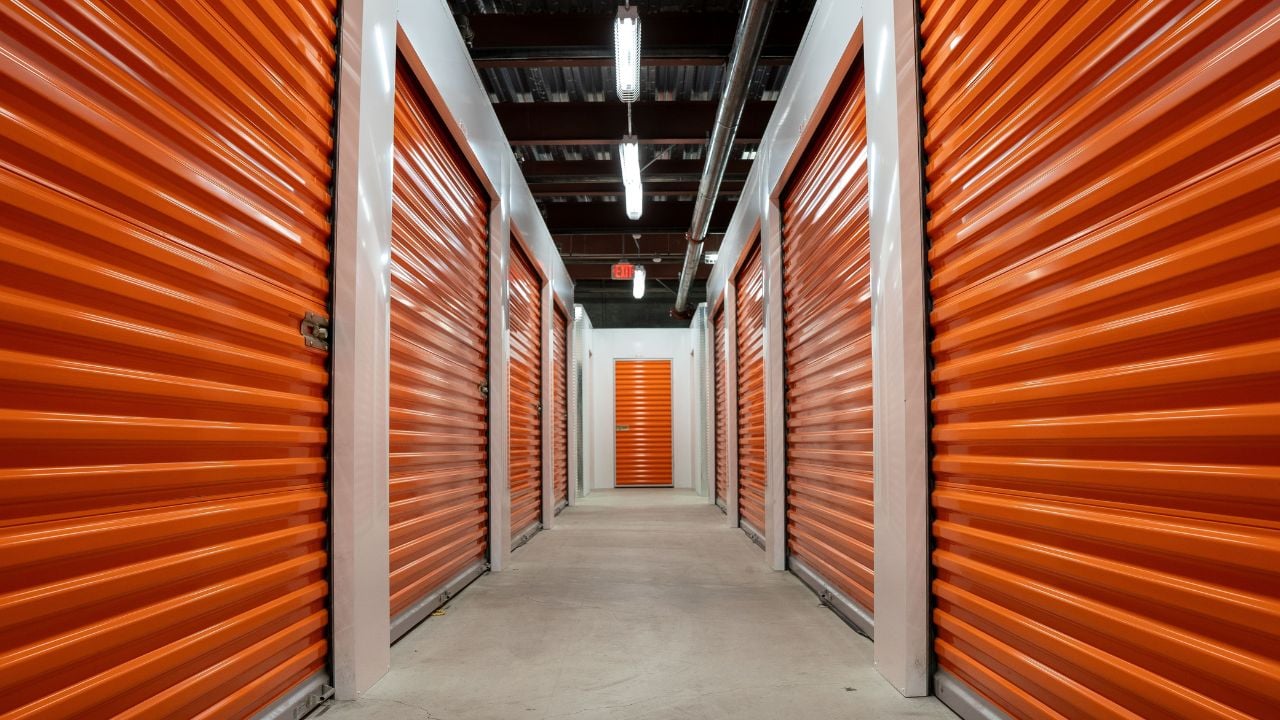
6 Storage Unit Charges That Surprise Californians After Their First Month

Think the number on your storage unit’s welcome email is the number you’ll pay all year?
It probably isn’t.
California’s storage facilities can add charges to that account that never showed up in the welcome email, and many renters don’t notice until they’re already behind on the balance.
These are the storage unit charges that catch Californians off guard long after the first month’s rent clears.
Note: This is general information, not legal or financial advice. Storage fees, lien procedures, and notice requirements are subject to change.
1. Watching Your Move-In Rate Expire
California storage renters sign up at a number that’s built to change.
Operators in the industry call the practice an existing customer rate increase, and it moves fast.
A National Self Storage executive has documented an $80 promotional rate on a 10×10 unit that can double or triple within three months.
That’s right around the time a renter has already moved boxes in and stopped shopping around.
This isn’t a guess.
The same industry report notes most tenants stay in a unit ten months or longer, so a facility can offset a slower first couple of months and still come out ahead once the higher rate kicks in.
In Los Angeles, one tracker put a standard 10×10 unit at about $283 a month as of July 2026, though Extra Space Storage’s own data showed the same size unit closer to $219 around the same time.
Either way, that kind of jump lands on a sizable number to begin with.
A California law known as Senate Bill 709 took effect January 1, 2026. It now requires a facility to spell out in writing whether a renter’s rate is promotional, how long that rate lasts, and the maximum the rent could reach during the unit’s first 12 months.
The paperwork now says how high it can go.
2. One Missed Payment, Two Separate Fees
One missed autopay draw is often all it takes to trigger two separate fees on a California storage bill.
Industry fee guidance published in late 2025 puts a typical late fee at $15 to $20, or 15% to 20% of the rent, often applied within days of the due date.
The same guidance lists a separate returned-payment charge of $20 to $25 for a declined card or a bounced bank draft, stacked on top of whatever late fee already posted.
Two fees, one missed payment.
A single missed draw, not a pattern of skipped payments, is often enough to trigger both.
Facilities that let a tenant pay by credit card online sometimes add a card processing surcharge of 3% to 4%, so a $150 payment turns into a few dollars more.
An expired card sitting on autopay causes many of these, so a renter who hasn’t updated a card since move-in is due for a check.
3. Triggering a Preliminary Lien Fee
Falling behind on a California storage unit triggers more than a fee schedule.
Once rent sits unpaid for 14 consecutive days, state law lets a facility begin the lien process, and the paperwork behind that process isn’t free.
A separate preliminary lien fee, commonly $20 to $35 per the same fee guidance cited above, covers the certified mail and legal notice the facility now has to send.
Nobody budgets for a certified-mail bill.
It’s not optional.
California’s Lien Timeline, Step by Step
California’s storage lien law gives a delinquent renter more time than many people expect before an auction can happen.
A facility can end a tenant’s access rights once rent is unpaid for 14 consecutive days, but it has to mail or email a notice first.
That notice has to give the tenant at least 14 more days before access ends.
Only after that can a facility send a formal Notice of Lien Sale, and state law keeps the sale itself at least 14 more days out.
Before that sale can go through, a facility has to advertise it. It can run the notice twice in a local newspaper, or once in the newspaper plus a seven-day online posting, with a posted-notice option in neighborhoods that have no local paper.
4. Losing Access to an Overlock
Access to a California storage unit can disappear before the balance ever reaches a lien.
Once payment is far enough behind, a facility can place its own lock over a tenant’s gate access or cut the tenant’s lock outright, then bill $10 to $20 for the trouble.
The same fee guidance recommends charging that overlock fee several days after the late fee, often on day 15 or 20, so it reads as its own separate charge rather than a bigger late fee in disguise.
Pay the balance, and the lock comes off.
Not the fee, though.
That charge stays on the account no matter how fast a renter catches up.
5. Covering the Auction’s Ad Costs
A California storage auction puts its own advertising bill on the tenant’s balance long before any sale happens.
State law gives a facility two ways to satisfy the advertising requirement described above: Run the notice twice in a local newspaper, or run it once in the newspaper and post it online for at least seven days.
A facility can recover whichever version of that advertising cost it chooses, plus any auctioneer fee, from the tenant’s balance.
Industry guidance puts a typical auction fee between $25 and $100.
Neither cost disappears easily.
Pay off the account before the sale date, and the auction never happens, but that advertising and legal-notice cost is often already baked into the balance a tenant has to clear.
6. Paying for Days You Never Used
Moving out of a California storage unit doesn’t always stop the billing on the day the last box leaves.
Public Storage’s own move-out policy requires at least seven days‘ notice before a unit counts as vacated, filed through the account app or the local office.
Prorating a move-out is the exception in the storage industry, not the norm, according to storage-management guidance written for operators.
A tenant who clears out mid-cycle after already paying that month’s bill often gets no refund for the unused days.
That’s different from a lease.
An apartment tenant who gives notice mid-month often gets a partial credit back, but a storage tenant carrying the same assumption can end up paying for time in an already-empty unit.
The Protection Plan Charge Renters Rarely Cancel
Many California renters never look twice at the protection plan added to their storage bill at move-in.
Many operators require proof that a tenant already carries coverage through a renters or homeowners policy.
Without it, the facility enrolls the renter in its own plan on the spot.
Public Storage’s own site puts that added coverage at $10 to $40 a month, depending on how much protection a unit’s contents need.
That’s a bill that keeps arriving.
A tenant who adds renters insurance later, or digs up an old policy that already covers stored items, still has to cancel the facility’s plan by hand.
Nobody cancels it automatically.
Psst! Think you’ve already got every fee on your storage bill accounted for? Run through this checklist and see where you stand.
The Charge Hiding in a Mailed Paper Bill
A California storage bill doesn’t always arrive online by default.
Facilities that mail a paper invoice each month commonly charge about $5 for it, a figure that comes from the same fee guidance cited earlier, and that charge keeps repeating for as long as the unit stays rented.
Five dollars a month.
Over a couple of years, a mailed statement can add up to more than a full month’s rent on a smaller unit, and many renters default into paper billing because a move-in form never asked.
Many operators tie the paperless switch to text and email payment alerts, the same alerts that would have caught the expired card behind a late fee or a returned-payment charge.
A tenant who switches mid-lease still owes whatever paper-bill charges already posted to the account.
4 Fees California Drivers Pay That Many Other States Skip
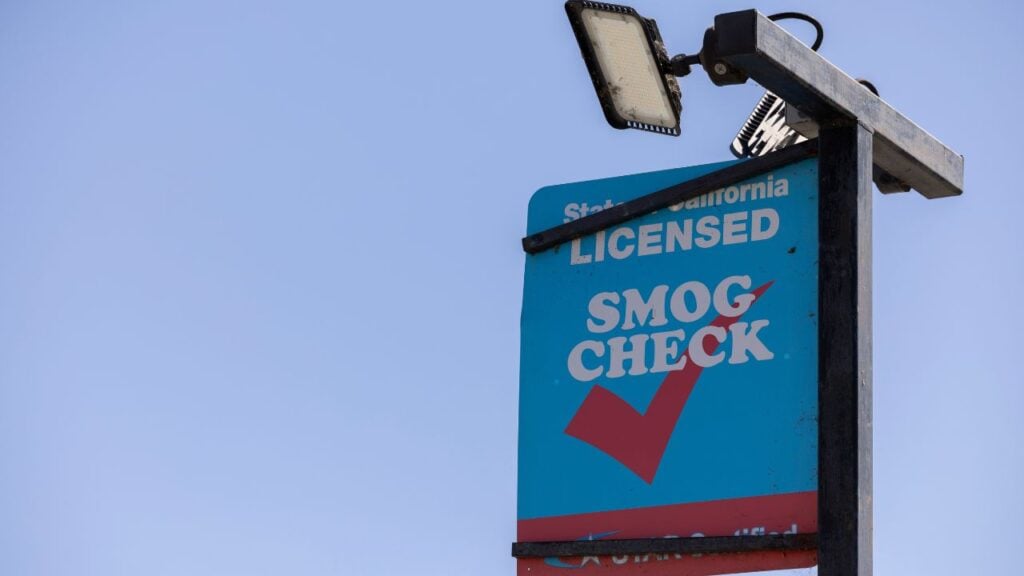
A car in California comes with a few charges many other states never bill a driver for at all.
One of them proves your car isn’t polluting, and it isn’t optional.
4 Fees California Drivers Pay That Many Other States Skip
9 Things That Surprise People Who Move to California

Moving to California comes with a few surprises that show up on the very first utility bill.
Not everything costs more, though, and a few of the surprises work in a new resident’s favor.
