
6 Things Nebraska Farmers Check Before the Combine Starts That Drivers Never Think About

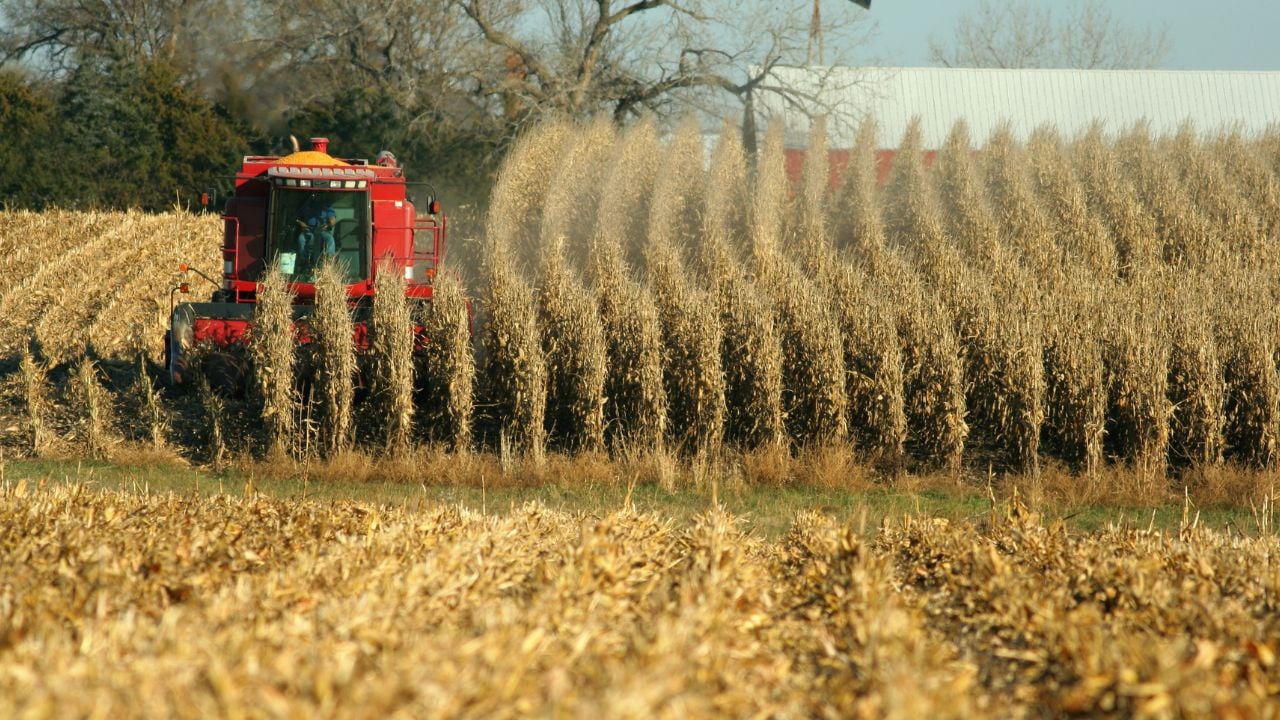
If you’ve ever followed a combine down a Nebraska road, you saw the end of a farmer’s long to-do list.
Nebraska farmers work through a long list of checks before harvest starts, and drivers on the road don’t see any of it.
Here’s what happens in the field and the shop before the combine rolls out.
1. Stalk Quality Tests
A 2020 Nebraska Extension article titled “Check Stalk Quality of Corn Going into Harvest” covers testing cornstalks before a combine goes in.
The push test starts with at least 100 plants, each one pushed about 30 degrees from vertical.
Select those plants at random while walking through the field.
A plant that doesn’t snap back upright may have a weak stalk.
For the pinch test, a farmer squeezes the lower stalk between a thumb and first finger.
A stalk that crushes under that squeeze may also be weak.
Stalk rot can leave the inside of a stalk pulled away from the rind, a hollow tube with loose strands.
Anthracnose stalk rot causes shiny black lesions on the outer stalk in advanced stages.
When more than 10% of plants show stalk rot symptoms, harvest the affected fields first.
After storms and hail, a 2025 Nebraska Extension guide says to aim to start harvesting damaged fields at a higher moisture, above 17%.
Harvesting one way against the lodged plants allowed the greatest success of picking them up.
2. Bin and Equipment Checks
A Nebraska Extension entomologist says farmers should inspect the bin roof and sides, inside and out, for leaks, loose bolts and rust before harvest.
Caulk any cracks at the roofline.
Wiring for fans and other electrical parts should be inspected for corrosion and for cracked, frayed or broken insulation.
Remove old grain with brooms and vacuum cleaners.
Its rule for the bin itself is to never put new grain on top of old.
That list covers the combine, truck beds, grain carts and augers.
Adjust combines according to the manufacturer’s specifications to minimize grain damage.
Even a small amount of moldy or insect-infested grain left in equipment can contaminate a bin of new grain.
Outside, remove spilled grain and mow the site to reduce the chance of insects or rodents.
3. Grain Moisture Checks
When a field looks close, many farmers pick a few ears by hand, break them open and look at the kernels, the Nebraska Corn Board says.
Many also keep handheld moisture testers, and they can take samples to a local grain elevator for more testing.
They also watch for changes such as ears tipping toward the ground, which indicate the plant is getting drier.
One farmer on that page aims to harvest field corn when testers show 17% moisture or less.
Most field corn, popcorn and white corn is usually harvested in September and October.
For soybeans, Nebraska Extension says 13% moisture should be the goal, even though it’s impossible to harvest all of them at exactly that level.
Plan to begin at 14% or 15%.
An overnight dew can raise moisture by several points, and a day with low humidity and wind can lower it by several points.
Avoid harvesting when beans are driest, such as on hot afternoons, to reduce shattering losses.
Soybeans Left on the Ground
Nebraska Extension says four to five on the ground per square foot can add up to a loss of one bushel an acre.
At that rate, a 160-acre soybean field would lose 160 bushels.
4. Lights and Reflective Markers
A machinery checklist from the University of Nebraska–Lincoln’s AgriAbility program tells operators to check for proper lighting, including turn signals, headlights, flashing ambers and taillights.
Make sure slow-moving vehicle (SMV) signs and reflective markers are bright and clean.
Nebraska Extension’s 2024 harvest safety reminder tells farmers to make sure lights, flashers and reflective tape on equipment are functioning and visible.
Farmers should also avoid traveling after sunset and during peak traffic times.
Many drivers don’t think about those lights until they’re stuck behind farm machinery.
5. Yield Monitor Checks
A 2013 CropWatch article from Nebraska Extension’s precision agricultural engineer lists checks for a combine’s yield monitoring system.
That system consists of several sensors positioned throughout the harvester.
Start by checking that the GPS unit’s firmware is up to date.
Also verify that the distance from the cutter bar or snapping rollers to the GPS antenna is entered correctly.
Calibrating the mass flow sensor usually involves harvesting two to six loads, weighing each one and entering the weights into the yield monitor console.
The grain moisture sensor is another component that requires calibration.
Typical lag times are 10 to 15 seconds, and a stopwatch is an easy way to check as you begin harvesting a pass.
A well-calibrated system should estimate the total yield harvested from a field to within 1% to 3% error.
6. Fire Extinguishers and Fire Prep
Nebraska Extension’s combine fire guide tells farmers to carry at least one 10-pound ABC dry chemical fire extinguisher.
Store the extinguisher in or near the cab if the fire can be easily reached from the ground.
Farmers should also pull the pin, aim the nozzle, squeeze the trigger and sweep across the base.
Start harvesting a field on the downwind side.
Have a tractor hooked to a disk near the field, along with a large water tank.
The 2024 harvest safety reminder also lists a 5-minute equipment check, an ABC fire extinguisher and personal protective equipment (PPE) within reach.
Combine Fire Risks
Nebraska Extension calls clean equipment the best way to prevent combine fires, especially around the engine, turbo charger and exhaust system.
A 2002 study cited on that page found about three-quarters of combine fires start in the engine area.
Crop residue causes the majority of fires.
A combine’s bearings typically run between 125 and 150 degrees Fahrenheit.
Damage can occur once they pass 180 degrees, and above 300 the machine should be shut off immediately.
Days with wind above 20 mph, temperatures at or above 90 degrees and humidity below 30% are more conducive to combine fires.
If a combine catches fire, pull the machine into an area that has already been harvested, if possible.
Next, turn the machine off and call 911 before trying to put out the fire yourself.
Rural Road Crashes
A farmer driving a combine onto a county road joins other drivers on the pavement.
The National Highway Traffic Safety Administration reports that Nebraska had 164 deaths on rural roads in 2024.
Urban roads had 87 deaths, which put 65% of the state’s 251 traffic deaths on rural roads.
The rural rate was 1.41 deaths per 100 million vehicle miles traveled, compared with 0.85 on urban roads.
If you come up on farm equipment, Nebraska Extension’s 2024 harvest safety reminder says it typically travels at 5 to 15 mph.
Auto drivers should give ample space when meeting or passing large equipment.
Farmers should clean equipment to prevent mud on roadways.
They should also use appropriate flags, emblems and lights on all machinery.
Psst! How much do you know about Nebraska farming? Take our quiz and see if you can ace it.
Quiz
Nebraska Farm Trivia
Answer these questions on Nebraska farms and crops. We bet you can’t get them all right. Prove us wrong?
How many crayons can one acre of soybeans produce, according to the Nebraska Department of Agriculture?
Corn and Soybean Crop Value
Combines in Nebraska brought in 2.02 billion bushels of corn for grain in 2025, according to the U.S. Department of Agriculture's National Agricultural Statistics Service.
The agency valued that corn at about $8.3 billion.
Nebraska farmers also harvested 313.7 million bushels of soybeans that year.
That crop was valued at about $3.1 billion.
Divide that value by the bushels, and you get about $10 a bushel.
6 Things Nebraskans Do Every Autumn That Tourists Find Puzzling

Many Nebraska towns can empty out by kickoff on a fall Saturday.
That's only the start of what puzzles visitors.
6 Things Nebraskans Do Every Autumn That Tourists Find Puzzling
9 Everyday Habits That Only Make Sense to Nebraskans
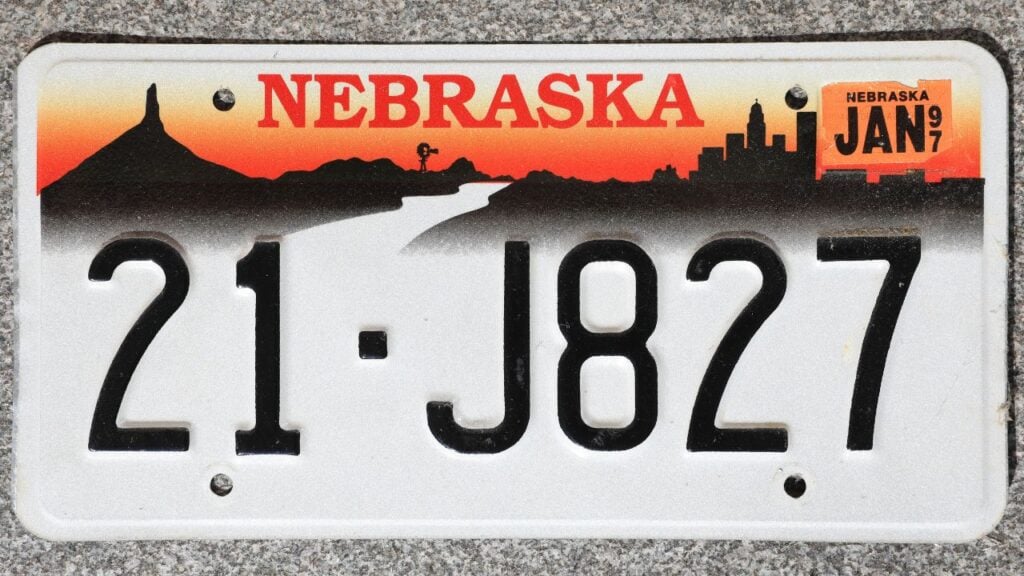
Nebraska ballots include seats on natural resources district boards.
That's one of the everyday habits that only make sense to Nebraskans.
