
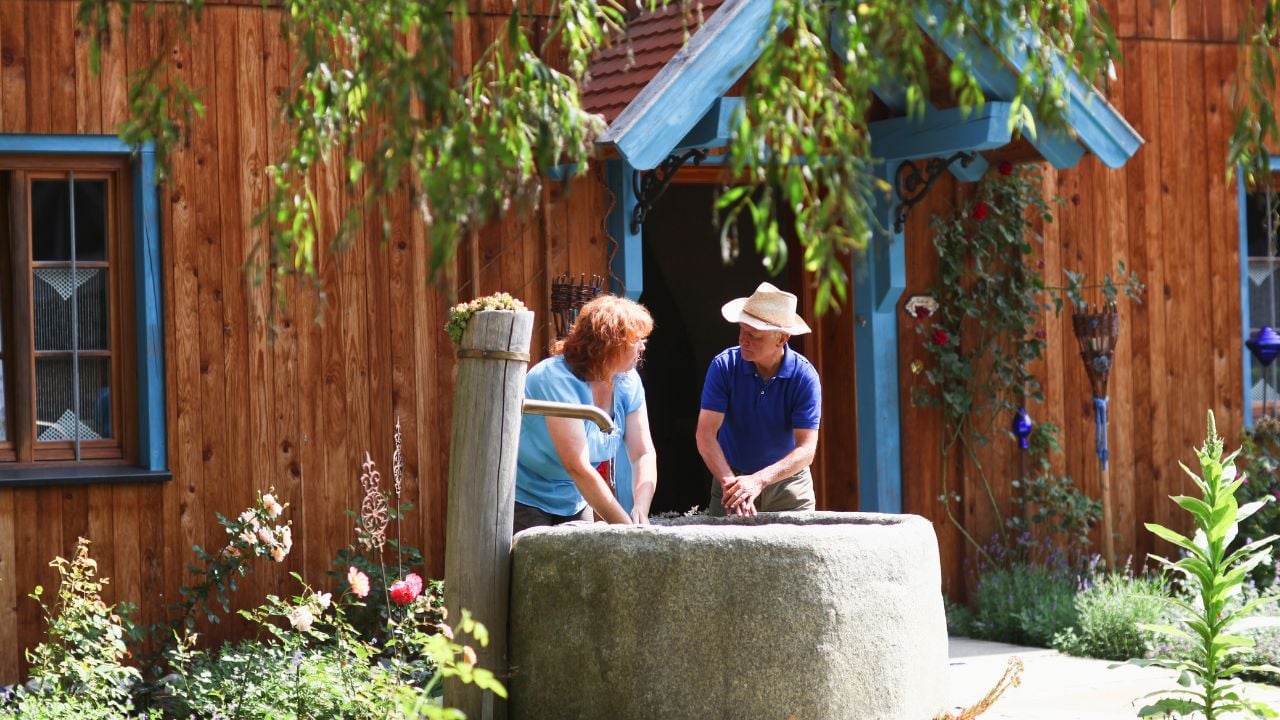
6 Well and Right-of-Way Rules West Virginia Neighbors Fight Over

A shared well can work fine for years.
Then something changes, and your old informal arrangement may not hold up the way you’d expect.
West Virginians can start with these basics before a dispute starts.
Note: This is general information, not legal advice. Property laws and court rulings are subject to change.
1. Free Well Water
In the 2019 Cantrell case from West Virginia’s Supreme Court of Appeals, one household drew well water from relatives’ land for twenty-five years.
That household had permission the whole time.
Then, in 2015, the siblings who held that land cut off the water, and the household paid $1,500 to connect to city water.
The household countered that its years of free water had earned it a right to keep using the well.
The circuit court found no evidence of that, and the Supreme Court of Appeals upheld the order.
Under that ruling, if your water comes from a well you don’t own, years of use with permission may not give you a right to keep drawing it.
2. Ten-Year Use Claims
You can gain a right-of-way across a neighbor’s land by using it, and the clock runs ten years.
The catch is that your use can’t be with the owner’s permission.
In the 2010 O’Dell case, a Jefferson County landowner claimed the right to use a 25-foot gravel lane along the edge of his lot.
The neighbors he sued, the Stegalls, used that lane as their only way out.
A jury sided with O’Dell and awarded him $5,300 in compensatory damages and $4,700 in punitive damages.
The Supreme Court of Appeals reversed that verdict because he hadn’t proved a prescriptive easement.
Permission came up again in the 2025 Sitar case.
The owners there had given their neighbors keys and lock combinations for the gates on Stoney Lonesome Road.
The Intermediate Court of Appeals treated that as permission and reversed a prescriptive easement award.
So if a neighbor gives you a key to a gate, that can be treated as permission, not the start of a claim.
What a Prescriptive Easement Claim Must Show
A prescriptive easement is the right-of-way a court can award after years of use.
If you claim one, you have to show your use was continuous and uninterrupted for at least ten years.
You also have to show that the owner knew about the use, or that it was open enough for a reasonable owner to notice.
And your use can’t have been with the owner’s permission.
The O’Dell opinion says each of these facts has to be proved by clear and convincing evidence.
Missing any one of them is fatal to the claim.
3. Who Pays for Upkeep
In the Moran case, a landowner locked a gate across a road that a neighboring family and its predecessors had used for more than 60 years.
The Supreme Court of Appeals decided in 1995 that the family had earned a right to the road through years of open, continuous use.
The circuit court had also ordered both sides to share upkeep on part of the road, and that part didn’t survive appeal.
The court held that the duty to maintain an easement falls on the people entitled to use it.
Under that holding, if you have the right to use a lane, keeping it up falls on you.
A contract or another obligation on the landowner can shift that job.
4. Wells Beside Property Lines
If you drill a well near a property line, it can affect where your neighbor is allowed to put a septic system.
The Hendricks case, decided in 1989 in Lewis County, started that way.
The county health department wanted 100 feet between water wells and septic systems before it would issue a permit.
So if you’re planning a septic system, your permit can hinge on where a neighbor’s well already sits.
After one landowner asked the sanitarian about a septic system, the neighbor drilled a second well near that lot.
With that well in place, the planned septic absorption field sat within 100 feet of it.
A jury found the well was a private nuisance, and the trial court ordered the nuisance ended.
The Supreme Court of Appeals weighed both landowners’ interests and found that neither had an inexpensive and practical alternative.
It reversed and held that the well wasn’t a private nuisance.
5. Unused Easements
If an old right-of-way crosses your land, years of disuse don’t necessarily end the easement.
The Strahin case, decided in 1995, involved a dirt road called Miner Road that crossed a landowner’s property.
The house at the end of it had been abandoned since the early 1960s, and fire later destroyed it.
The owner put a gate across the road in 1985 and later locked it.
A fence covered the driveway, a gas line crossed it, and small trees had grown over it.
The trial court found the easement abandoned.
The Supreme Court of Appeals reversed and held that abandoning an easement takes intent.
Whoever claims an easement was abandoned, whether that’s you or a neighbor, has to prove that intent by clear and convincing evidence.
6. Easements by Necessity
The Cantrell family’s dispute over the well also included a claim for an easement by necessity.
Four siblings claimed an easement across their brother’s property to reach their own lots.
Those lots already touched two public roads, Second Avenue and White Street.
The Supreme Court of Appeals agreed the siblings had not proven strict necessity, and the claim failed.
In West Virginia, no easement is implied by necessity if you have an alternate route, even a harder or more expensive one.
So if a public road already reaches your lot, a neighbor’s land isn’t yours to cross by necessity.
Psst! How much do you know about wells and deeds? Tap each card and see if you can guess right every time.
Old Railroad Strips
Conrail filed in 1984 to abandon rail service on a right-of-way in Wheeling’s Warwood section, and it sold the property in 1986.
The strip was about 60 feet wide and 432 feet long.
Wheeling Stamping, a business that touched the strip, claimed half of it.
In 1991, the Supreme Court of Appeals sided with Wheeling Stamping.
A railroad holding only a prescriptive easement, the court ruled, can’t sell the strip once that easement is abandoned.
The land goes back to the owners on either side, so if your lot touches the old railroad line, you’re presumed to own half the strip beside it.
6 West Virginia Back Roads Locals Don’t Want Put on a Map
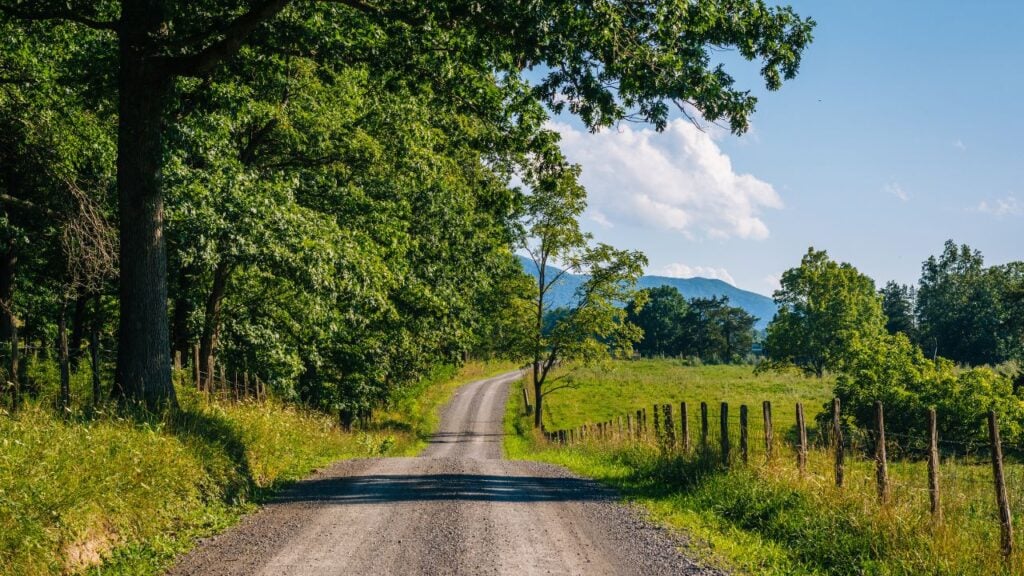
Some West Virginia back roads sit far from the usual tourist stops.
This article takes you down a few of them.
6 West Virginia Back Roads Locals Don’t Want Put on a Map
6 West Virginia Drives Visitors Ruin by Going at the Wrong Time
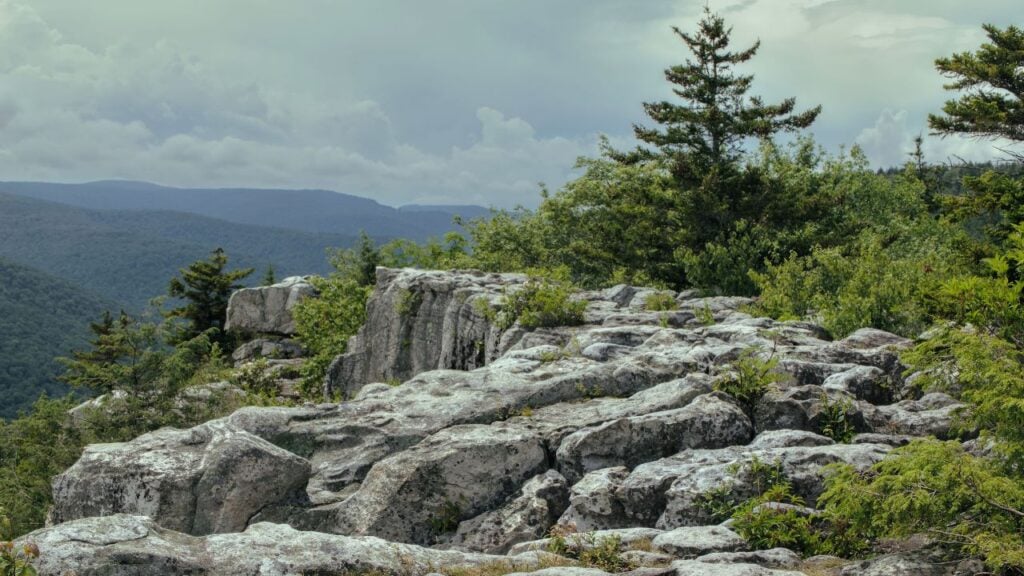
A scenic drive can look very different depending on when you go.
Before you plan a fall drive, the timing deserves a look.
6 West Virginia Drives Visitors Ruin by Going at the Wrong Time
