
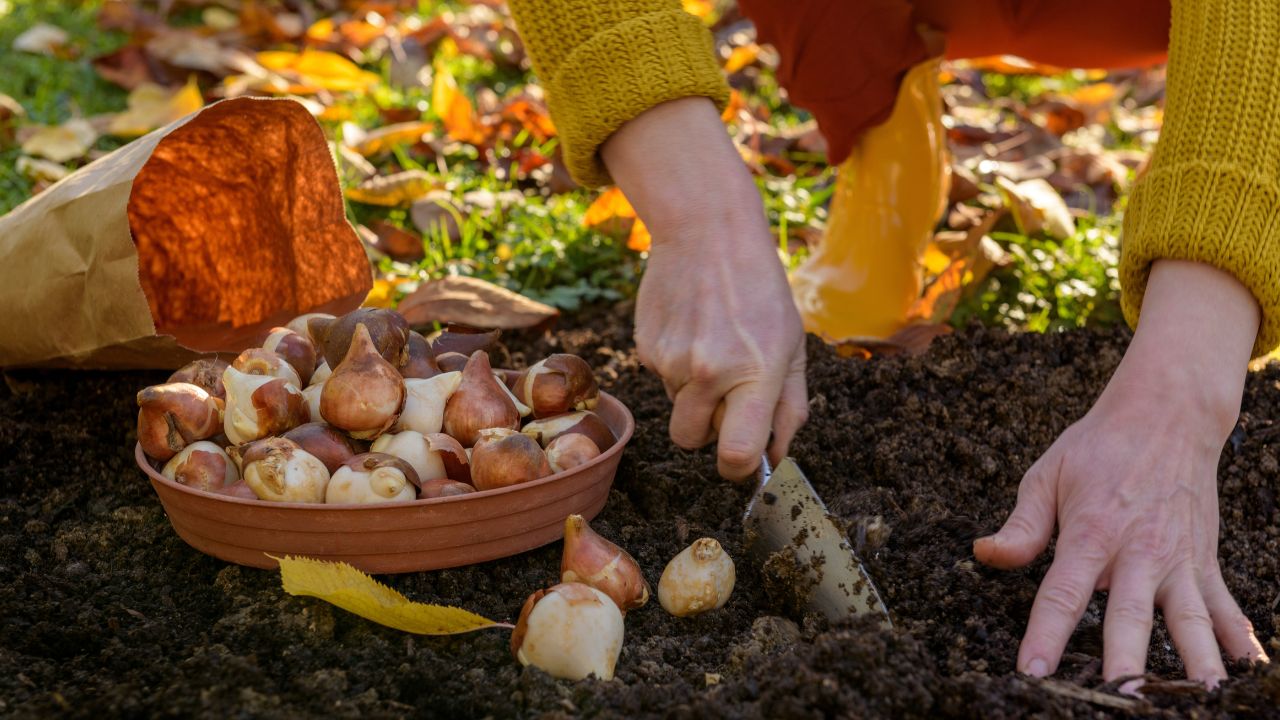
7 Bulbs North Carolina Gardeners Regret Not Planting in September

North Carolina spans nearly three U.S. Department of Agriculture (USDA) hardiness zones, from the cool mountains near Boone to the mild coastal plain around Wilmington.
That range is exactly why one September date decides whether some bulbs bloom this year, next year, or not at all.
These are the bulbs many North Carolina gardeners regret not planting in September.
1. Colchicum
Colchicum gives North Carolina gardeners the least room for error of any bulb on this list.
The corms need to go into the ground by early September to bloom that same fall.
North Carolina State University’s Extension Gardener Plant Toolbox puts it plainly: A corm planted in summer can bloom that fall.
Wait until October, and the corm sits out the season instead.
No flowers.
The corm waits, dormant, until next September comes back around.
Colchicum corms are also toxic to people and pets, so gloves belong on both hands whenever they go into the soil.
2. Saffron Crocus
Saffron crocus breaks the pattern every other bulb on this list follows: It blooms the same fall it’s planted, not the spring after.
North Carolina State University’s Extension Gardener Plant Toolbox says the purple flowers appear in fall for a one- to two-week stretch, which is also the only window for harvesting the spice.
The University of Vermont’s saffron research program is direct about the deadline: Corms are planted in late summer, and researchers there warn that a corm held back for a more convenient month instead sprouts inside the bag and dies before it ever reaches the ground.
No second chance.
A corm still in its paper sleeve come October has already missed the only planting window it gets, with no spring option to fall back on.
Saffron crocus grows in North Carolina’s mild fall soil about as well as it does anywhere in the country, and it multiplies on its own once it’s finally settled in.
3. Tulips
Tulips make North Carolina gardeners pay for waiting more than any other bulb on this list.
N.C. Cooperative Extension says most varieties need 12 to 16 weeks of cold to bloom on a normal stem, and North Carolina’s ground rarely holds that cold long enough on its own.
Gardeners in the Piedmont and coastal plain solve that with a refrigerator.
A paper bag in the crisper drawer, away from any ripening fruit, does the work a cold winter would normally handle.
The math doesn’t bend.
That trick only pays off if the clock starts in September.
Start it in October instead, and the bulbs are still chilling once the ground is finally ready in late November, so the planting date slips right along with them.
Homewood Nursery & Garden Center in Raleigh tells shoppers September and October are the months for the best bulb selection, before the popular varieties are gone.
The Chill Math Behind a North Carolina Tulip
A tulip’s chill clock is simple arithmetic once you see the actual dates.
Starting the refrigerator on September 1 finishes the 12-to-16-week requirement somewhere between late November and late December, right when Piedmont and coastal soil finally cools enough to plant.
Starting that same clock in October pushes the finish line into late January or February, past the point when North Carolina’s fall planting window has closed for the season.
4. Hyacinths
Hyacinths share tulips’ chilling requirement, and North Carolina gardeners who skip the math end up with short, floppy stems instead of the tall spikes on the seed packet.
The same 12- to 16-week cold window applies, so a bulb bought in October is already behind before it reaches the crisper drawer.
Fragrant varieties are also the first to disappear from mail-order bulb companies once September catalogs go out.
Gone in weeks.
What’s left by November is the odd color nobody wanted back in September.
Psst! How much do you know about some of America’s most popular spring flowers? Take our quiz and see if you can ace it.
Quiz
Bulb History Trivia
Answer these questions on bulb history and lore. We bet you can’t get them all right. Prove us wrong?
During Dutch ‘tulip mania’ in 1637, one rare bulb reportedly sold for enough money to buy a house in Amsterdam. What was that bulb called?
5. Species Tulips
Species tulips solve a problem many North Carolina gardeners don't realize they have until their fancy hybrid tulips fail to come back a second year.
N.C. Cooperative Extension is blunt about it: In the warmer parts of the state, tulips are often treated as annuals because the climate and soil stay too warm for them to return.
Species and botanical tulips are the exception.
Their smaller, wilder-looking blooms persist and naturalize in a way the big Darwin hybrids don't manage in the South.
They also skip the refrigerator problem the hybrids on this list can't avoid.
Species tulips don't need the 12 to 16 weeks of artificial chilling a Darwin hybrid requires, so a September bulb can go straight into North Carolina soil instead of into a paper bag in the crisper drawer.
No countdown clock.
Wait until the ground finally cools enough for hybrid tulips in November, and a species tulip planted that late has already lost much of the fall it needed to root before its first bloom.
6. Fritillaria
Fritillaria punishes a North Carolina gardener's procrastination in the opposite way tulips do.
A tulip bulb can wait weeks in a paper bag, but fritillaria bulbs have no protective outer skin and start drying out soon after they leave the ground.
No waiting on fritillaria.
North Carolina State University's Extension Gardener Plant Toolbox calls for getting fritillaria into the ground in early fall, planted on their side so water can't pool in the hollow crown and rot them.
A bulb still sitting in a garden center bin come October has already spent weeks it didn't have to spare.
The checkered, bell-shaped blooms are worth the September rush, since few neighbors will have anything quite like them.
7. Grape Hyacinth
Grape hyacinth runs on a completely different calendar than the rest of this list, and North Carolina gardeners who plant it alongside daffodils in November get a thinner bloom for it.
The University of Wisconsin's horticulture program notes that, unlike most spring-blooming bulbs, grape hyacinth foliage starts growing again in mid-fall and holds through a mild winter instead of waiting for spring.
North Carolina State University's Extension Gardener Plant Toolbox backs that up: the leaves first appear in fall, not spring, growing straight from the base of the plant.
Foliage first, flowers later.
A September planting still has enough of the season left for that fall foliage to get going before frost shuts it down.
Plant the same bulb in November instead, and it skips its own fall growth cycle entirely, heading into winter with nothing but a bare bulb where a head start should be.
It's not a true hyacinth at all, despite the name.
Many bulb catalogs don't bother making the distinction.
How North Carolina's Zones Change the Calendar
North Carolina's growing zones stretch the September deadline into a moving target, not a fixed one.
The mountains near Boone and Blowing Rock sit in USDA zones as cold as 6a, where the ground cools fast and a September planting date matters even more.
Charlotte, Greensboro, and Winston-Salem fall mostly in zones 7b and 8a, with milder winters and a longer runway.
Raleigh, Durham, and the rest of the coastal plain lean into zones 8a and 8b, where the ground barely gets cold enough for tulips at all without help from a refrigerator.
Three zones, three calendars.
A gardener in Boone can often plant a week or two later than a gardener outside Wilmington and still catch the same bloom.
Not every gardener gets that same grace period.
A coastal gardener who waits as long as a mountain neighbor is the gardener who ends up chilling bulbs in January instead of enjoying them in April.
Homewood Nursery in Raleigh watches this play out every fall, with Piedmont customers shopping for bulbs weeks before coastal customers even start asking about them.
8 North Carolina Roadside Finds That Aren't Automatically Finders Keepers

Finding something along a North Carolina roadside doesn't settle who owns it, no matter how empty the shoulder looks.
A few of these finds come with rules many drivers have never heard of.
8 North Carolina Roadside Finds That Aren't Automatically Finders Keepers
7 Kitchen Tools North Carolina Cooks Should Have Replaced Years Ago
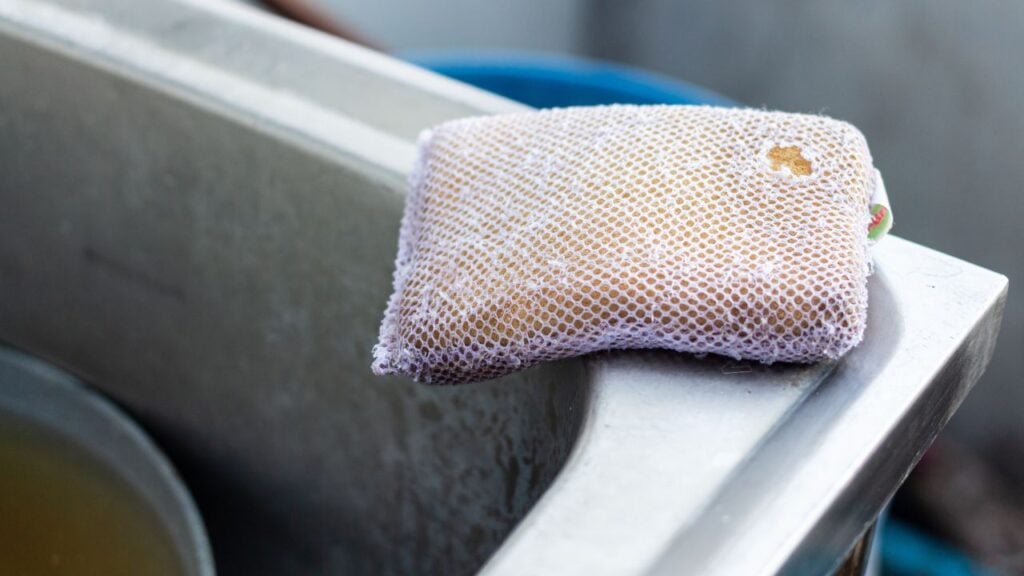
Many kitchen drawers in North Carolina hold at least one tool that stopped doing its job years ago without anyone noticing.
A sponge, a cutting board, or a can opener can look fine and still work against every meal made with it.
7 Kitchen Tools North Carolina Cooks Should Have Replaced Years Ago
