

7 Buried Oil Tank Rules That Can Sink a Pennsylvania Home Sale

Almost 30,000 households in Lancaster County still heat with fuel oil. That’s more than one in eight homes there, per the Census Bureau’s 2024 survey.
A lot of that oil sits in tanks nobody has looked at in decades.
One of them can sit in a yard for decades and then stop a sale in the week of closing.
These are the buried oil tank rules that can sink a Pennsylvania home sale.
Note: This is general information, not legal advice. Storage tank rules, disclosure requirements, and fund eligibility are subject to change.
1. No State Registration for Home Tanks
A buried oil tank in Pennsylvania usually never crosses a state desk at all.
Pennsylvania’s Storage Tank and Spill Prevention Act covers aboveground and underground tanks across the state.
But it carves out one big exception: A tank storing heating oil for use on the same property it sits on doesn’t count as regulated.
Nobody registers it.
That exemption covers the tank heating almost every Pennsylvania home that still burns oil.
The Department of Environmental Protection (DEP) never inspects it, never permits it, and keeps no file on when it went into the ground.
Almost 30,000 households in Lancaster County alone still heat with fuel oil, according to 2024 Census data.
Not one of those tanks has a state record a buyer can pull.
A seller can insist the tank is fine, and there’s no government file to check that claim against.
2. The Tank Your Inspection Skips
A licensed home inspector in Pennsylvania has no legal reason to look for your buried tank at all.
State law spells out exactly what a licensed home inspector has to check, and it flatly excludes underground tanks and wells from that list.
Inspectors don’t have to look.
Many buyers sign the standard inspection agreement and never think to ask for anything more.
A tank that’s been sitting under the side yard for forty years can clear a full home inspection without anyone aiming a locator at the ground.
It turns up later instead, often when a bank’s appraiser walks the property before a mortgage can close.
3. The Disclosure Form’s Tank Question
Pennsylvania sellers still have to answer for a buried oil tank in writing, even without a DEP registration behind it.
The state’s official Seller Disclosure Statement prints one exact line: “Are you aware of any underground fuel tanks on the property?”
There’s no wiggle room.
A seller who knows about a tank and checks “no” anyway hasn’t dodged the problem.
Pennsylvania’s disclosure law makes that written statement the seller’s word, and a buyer who later proves the seller knew has grounds for a lawsuit after closing.
An honest “yes” costs a seller nothing at signing.
A dishonest “no” can cost far more once a buyer hires an attorney.
Psst! How sale-ready is your buried oil tank? Run through this checklist and see where you stand.
4. The 811 Call Before Tank Removal
Pulling a buried tank out of the ground in Pennsylvania starts with a phone call, not a shovel.
Pennsylvania’s One Call law requires anyone about to dig, homeowners included, to notify 811 at least three business days ahead of time.
Small jobs need the call.
The Public Utility Commission enforces the law with civil penalties.
In its September 2025 enforcement cycle alone, the commission handed down 240 disciplinary actions and more than $150,000 in penalties against underground facility owners, excavators, and project owners statewide.
A seller racing a closing date can’t just book a crew and dig the next morning.
Three business days have to pass first, no matter how much the buyer wants the tank gone before the walkthrough.
5. The Insurance Fund’s 60-Day Clock
Some Pennsylvania homeowners pay to enroll a heating oil tank in the state’s insurance program, and that coverage comes with a deadline nobody can afford to miss.
The Underground Storage Tank Indemnification Fund pays for a covered release, up to $1.5 million per tank.
That’s serious money.
But the fund only pays if the owner reports a leak within 60 days of learning about it, or the fund denies coverage outright.
A seller who spots a stain in the basement and hopes it goes unnoticed through closing can forfeit the exact protection meant to pay for it.
By the time a home inspector flags it months later, that 60-day window is often long gone.
A buyer’s lender that finds out can pull financing on the spot, since nobody is left standing to pay for a cleanup that could run past six figures.
6. The Cleanup Fund, First Come First Served
Pennsylvania runs a separate cleanup program for a leaking oil tank, and it pays out first come, first served.
A slow-moving seller can find nothing left once that year’s money is already gone.
Pay the first $1,000 yourself, and the fund can reimburse up to $4,000 more per tank, with no insurance enrollment required.
Not exactly a windfall.
That ceiling falls well short of a serious contamination job.
A seller counting on the state to cover the rest can watch a buyer’s financing collapse when the bill comes in higher than the fund allows.
The Fund’s Fine Print
Pennsylvania’s cleanup reimbursement pool isn’t reserved for one seller’s claim.
The state caps the whole program at $750,000 a year, statewide, and pays claims first come, first served.
A homeowner who reports a release in November can find that year’s pool already spent on claims filed back in the spring.
Pennsylvania authorized the program only through December 31, 2027, so a closing that happens after that date can’t count on the fund at all.
7. Emptying vs. Closing a Tank
Draining a Pennsylvania tank doesn’t close it, not to anyone who later has to sign off on the sale.
The Department of Environmental Protection’s closure guidance calls for removing the fill line and vent line, or permanently sealing them if they have to stay.
Empty isn’t closed.
A title company that spots an old fill pipe or vent cap sticking out of the yard can refuse to insure the sale.
A licensed contractor has to document the closure properly first.
The last oil delivery company on record needs to hear, in writing, that the tank is gone.
Skip that step, and a driver can still show up next winter and pump 150 gallons into a line that leads nowhere useful.
9 Things Pennsylvania Homeowners Should Know Before a Data Center Moves In
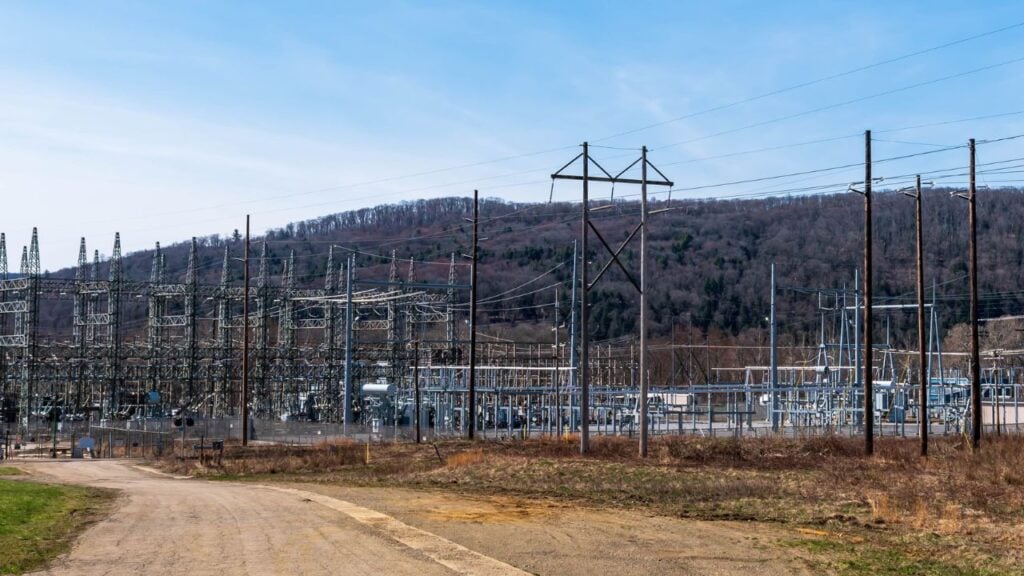
Pennsylvania’s sales-tax break for data centers is on track to cost the state more than $2 billion by 2031.
That kind of money buys a lot of new construction, and homeowners nearby end up living next to whatever gets built.
9 Things Pennsylvania Homeowners Should Know Before a Data Center Moves In
9 Pittsburgh Habits That Confuse the Rest of Pennsylvania

Ask a Philadelphian to repeat something a Pittsburgher just said, and watch the confusion set in.
Pittsburgh runs on words, grammar, and a whole sense of how a sentence should sound that never made the trip east.
