
9 Pittsburgh Habits That Confuse the Rest of Pennsylvania

Ask a Philadelphian to repeat something a Pittsburgher just said, and watch their confusion set in.
Pittsburgh has its own words, its own grammar, and its own opinion of how a sentence should sound.
None of it made the trip east.
These are the Pittsburgh habits that leave the rest of Pennsylvania scratching its head.
1. Pittsburgh Left
Pittsburgh drivers wave a stranger through a green light every day, and the car ahead never signals first.
The move is called the Pittsburgh left: The driver facing traffic yields to the oncoming car making the turn, cutting a full light cycle out of everyone’s wait.
It grew out of Pittsburgh’s hills, narrow streets, and a shortage of dedicated turn lanes, the kind of geography that makes a quick yield faster for the whole line of cars behind it.
Pittsburgh transplants carry the habit with them, more than 200 miles east of the Point.
One Harrisburg driver complained that people pull the move “all the time” in a city that never adopted it, calling it “illegal and dangerous.”
Nobody waves you through in Harrisburg, not without a transplant behind the wheel.
Sit at that green light waiting for the same courtesy, and the horn behind you starts before you’ve counted to three.
Every time.
Is the Pittsburgh Left Legal?
Pittsburgh’s left doesn’t get a carve-out anywhere in Pennsylvania traffic law.
Pennsylvania law requires any driver turning left to yield to the oncoming car, full stop, with no exception written in for a friendly wave.
Break it, and an officer can still write the ticket.
Decades of local habit don’t change what’s on the books.
2. Talking Like a Yinzer
Pittsburgh runs on a dialect that doesn’t exist anywhere else in Pennsylvania, and the whole state has an opinion about it.
“Yinz” stands in for “you all,” a hand-me-down from the Scots-Irish “you-uns” that immigrant steelworkers carried into the mills, and “n’at” tacks onto a sentence to mean “and so on.”
Clean up turns into “redd up” in the same dialect, and a rubber band turns into a “gumband.”
Pittsburgh flattens its vowels too, turning “downtown” into “dahntahn.”
Pittsburghers will also tell you the car needs washed instead of needing to be washed.
That construction meets flat rejection across the rest of the Northeast, Philadelphia included.
None of it sits well east of the mountains.
Pittsburgh’s accent knocked out Philadelphia’s own in a 2014 bracket built to crown the country’s ugliest accent, then won the whole contest outright.
Yinz don’t care.
3. Calling Every Soda “Pop”
Pittsburgh orders a “pop” at the counter without a second thought, and half of Pennsylvania hears a different word entirely.
Pennsylvania nearly splits down the middle on the question: 51.81% of respondents in one long-running regional word survey said “pop,” 45.10% said “soda.”
Pittsburgh and the rest of Western Pennsylvania are the reason “pop” edges out at all.
Cross into Philadelphia’s part of the state, and “soda” wins by a mile.
Order a “pop” at a diner counter east of the mountains, and the server pauses just long enough to make the point.
Pittsburgh orders it again.
4. Giving Directions to Places That Don’t Exist
Pittsburgh sends visitors toward stores and schools that closed before some of those visitors were born.
The habit has its own name in Pittsburghese: “Usetto be,” as in “turn where the old Isaly’s usetto be, yinz can’t miss it.”
Swissvale High School closed decades ago, and Pittsburghers still use it as a landmark.
Blame the geography.
Rivers, bridges, tunnels, and hills carve the city into pieces no straight grid can capture, so locals lean on landmarks out of necessity, not nostalgia.
Visitors from anywhere else in Pennsylvania get nothing to go on.
Pittsburgh didn’t standardize street signage citywide until the 1990s.
A phone’s navigation app still can’t find “the old Isaly’s.”
5. Turning Every Trip Into a Steelers Away Game
Pittsburgh Steelers fans travel so well that road games barely count as road games anymore, and a stranger to the habit never quite knows what to make of it.
In October 2015, Steelers fans packed Qualcomm Stadium in San Diego so heavily that the Monday Night Football broadcast crew joked it was a road game in name only, 2,300 miles from Heinz Field.
Head coach Mike Tomlin thanked “Steelers Nation” from the podium afterward.
Pennsylvania feels that same pull inside its own borders.
When the Steelers played the Eagles in Philadelphia in December 2024, the rivalry got serious enough that Sen. John Fetterman made a public bet with Philadelphia’s mayor: Sheetz beats Wawa if the Steelers win.
Fetterman lost.
He wore an Eagles hat on camera and admitted Wawa wins because the Steelers side of that bet came up short.
Black and gold fills the Wawa parking lot again the next fall regardless.
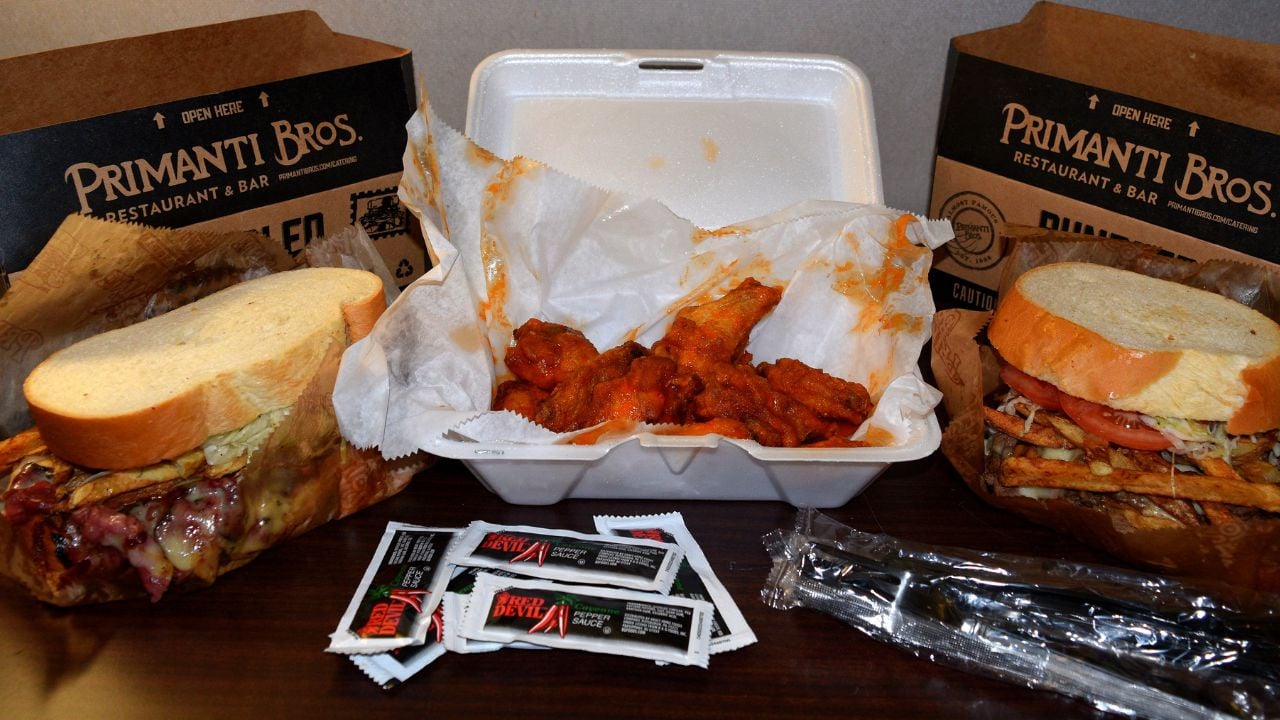
6. Stuffing Fries and Coleslaw Into the Sandwich
Order a sandwich in Pittsburgh, and skip asking for fries on the side. They’re already inside.
Primanti Bros. built its whole menu around the idea in the Strip District in 1933, piling fries and coleslaw right onto the meat so Depression-era truck drivers could eat one-handed on the job.
It worked, and it stuck.
Pittsburgh copycats sell the same style all over the city today, fries and slaw crammed between the bread like they belong there.
The rest of Pennsylvania keeps its fries on the side, right where Pittsburgh insists they don’t belong.
Travel two hours in any direction, and a sandwich shop that piles fries onto the meat itself is the exception, not the rule.
7. Piling French Fries on a Salad
Pittsburgh treats a salad as an incomplete dish until French fries land on top of it.
Order a chef’s salad elsewhere in the state, and croutons are as adventurous as it gets.
The Pittsburgh salad layers lettuce, grilled meat, shredded cheese, and ranch dressing under a pile of hot fries.
Western Pennsylvania diners like Jerry’s Curb Service in Beaver claim credit for inventing it in the early 1960s.
The fries add warmth and salt to a plate that would otherwise just be cold vegetables.
Ask for fries on a salad in Philadelphia, and the server checks whether you’re joking.
Pittsburgh isn’t.
8. Turning a Wedding Into a Cookie Marathon
Pittsburgh weddings run on an unwritten rule: Somebody’s grandmother, aunt, or bridal party member bakes, and every dessert plate fills up before the cake ever gets cut.
The cookie table tradition dates back decades in Western Pennsylvania, with family and friends contributing dozens of homemade cookies instead of, or alongside, a standard wedding cake.
One Pittsburgh mother spent 3.5 hours just setting up her daughter’s cookie table, then stayed late into the night cleaning it up.
Nobody complains, exactly.
The custom has started showing up at weddings as far as Lancaster County, imported by Pittsburgh transplants who wouldn’t marry without one.
Invite a relative from outside Western Pennsylvania to a Pittsburgh wedding, and the expectation reaches them with about two weeks’ notice.
Start baking.
Psst! How much do you know about Pittsburgh’s history? Take our quiz and see how many you can get right.
Quiz
Pittsburgh History IQ
Answer these questions on Pittsburgh firsts, records, and hidden history. We bet you can’t get them all right. Prove us wrong?
Pittsburgh calls itself the “City of Bridges,” but which Pennsylvania city has more bridges within its limits?
9. Hunting Down Chipped Ham at the Deli
Pittsburgh built an entire section of its deli counters around a lunch meat almost nobody else in Pennsylvania stocks.
Chipped chopped ham comes from Isaly's, the Pittsburgh dairy-and-deli chain that built its reputation shaving ham paper-thin starting in the 1930s.
Many standalone Isaly's stores have closed, but the product survived, and Pittsburgh grocery stores still sell it by the pound as chip-chopped ham.
Pittsburghers build sandwiches on it, simmer it in barbecue sauce, and expect every deli counter in the state to carry it.
The rest of the state doesn't carry it.
Not a chance.
Drive two hours east, and a deli clerk in Lancaster or Allentown has usually never heard the words "chipped ham" in that order.
Pittsburgh transplants keep asking, certain the next grocery store they try will finally carry it.
8 Red Flags That Tell Pennsylvanians It's Time to End a Houseguest's Stay
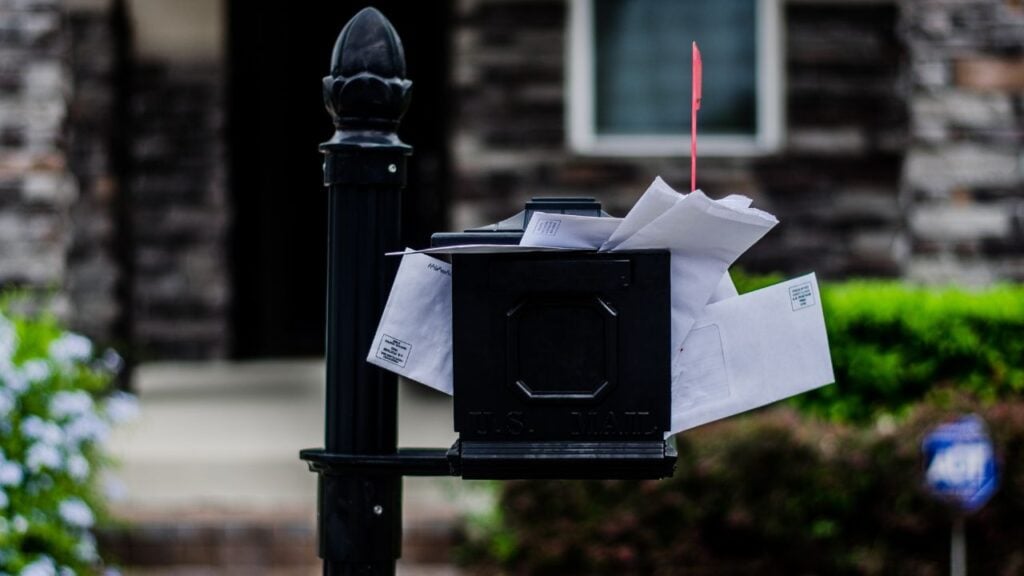
Pennsylvania hospitality doesn't come with a posted checkout time, and that's exactly the problem for hosts too polite to bring it up.
These are the signs telling Pennsylvanians a houseguest has worn out the welcome.
8 Red Flags That Tell Pennsylvanians It's Time to End a Houseguest's Stay
7 Pennsylvania Fair Foods That Sound Wrong but Taste Right
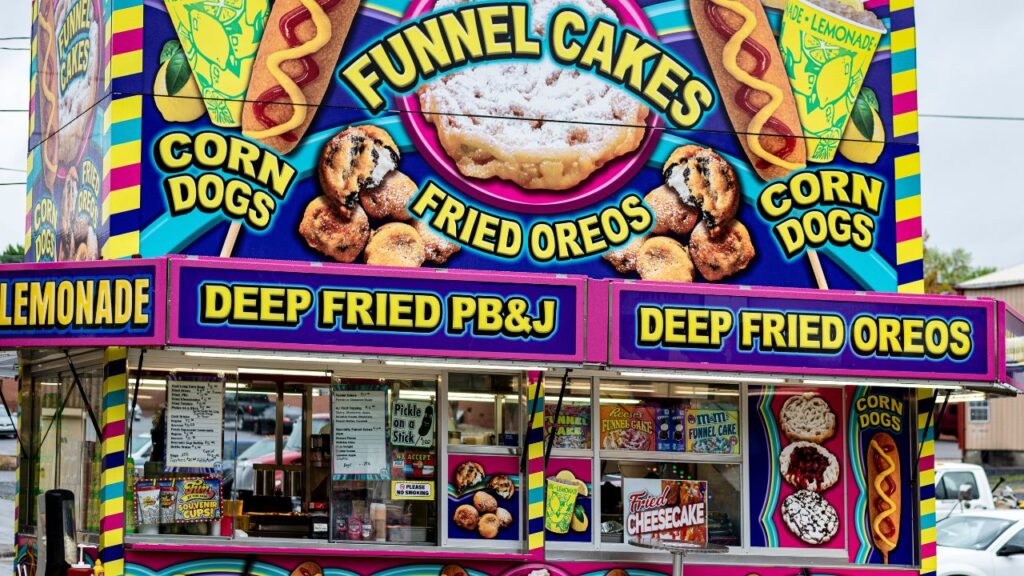
Pennsylvania's county fairs run all season, from Wayne County in the Poconos to Tioga County near the New York line.
Every one of them serves food whose name gets the order wrong before the first bite.
