
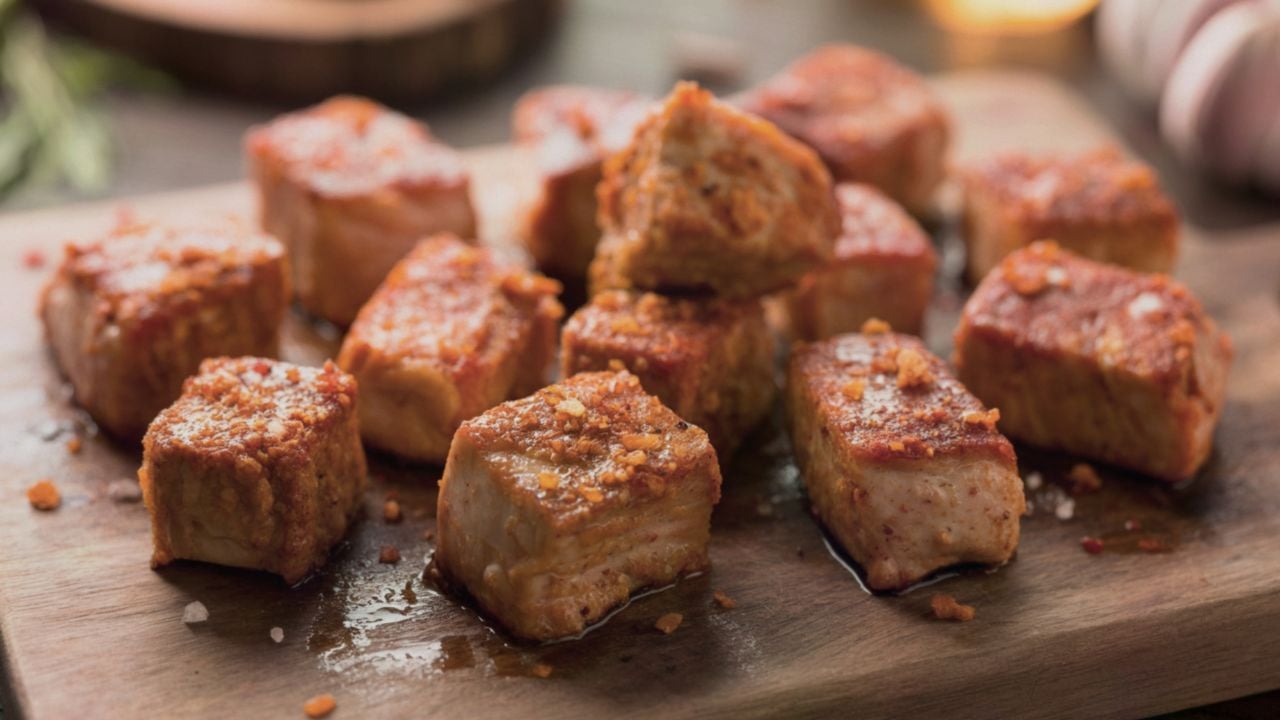
7 Chislic Rules South Dakotans Take Personally

Chislic is South Dakota’s official nosh, and the people who grew up on it have rules.
Marinade?
Not a chance. Garlic salt does the job.
Here’s what South Dakotans expect at the table, so you don’t get corrected over the next plate.
1. Chislic Circle
Chislic has a home territory, a circle that reaches about 30 miles out from the town of Freeman.
Freeman’s Heritage Hall Museum credits journalist Richard Preheim with coining the name Chislic Circle in 2005.
Sen. Stace Nelson, a sponsor of the 2018 chislic bill, traced the dish’s origins to the Kaylor, Menno and Freeman area.
Some traditionalists say the genuine version belongs inside the circle.
If you take that rule seriously, Freeman is the starting point.
2. Lamb or Beef
Many say authentic chislic is mutton or lamb.
Order beef or venison, and you’re still in typical territory, since the state tourism site lists both with lamb.
In 2018, a Sioux Falls bar called Jono’s said lamb versus beef was a big bar debate.
The bar offered both beef tips and lamb but sold more mutton.
The museum in Freeman, at the center of the Chislic Circle, calls lamb or mutton the traditional meat.
Tradition favors sheep.
3. Garlic Salt, Not Marinade
Historically, chislic was enhanced only by salt or garlic salt.
In America, Germans from Russia came to substitute garlic salt for the marinade.
If you order chislic with a marinade or sauce, you’re getting the newer twist.
A South Dakota Magazine story revised from a 2005 article found Papa’s Restaurant in Freeman serving five varieties, including barbecue and lemon pepper.
Even there, the original recipe remained the most popular.
4. Saltines on the Side
A plate of chislic is generally served with saltine crackers.
Shashlik, the Russian dish chislic descends from, was served with flatbread.
A Sioux Falls bar cook said in 2018 that the traditional plate comes with garlic salt on the side, so you decide how much.
If you’re so inclined, a cold beer washes it down.
Psst! How much do you know about chislic’s story? Flip each card and see if you can ace it.
5. Cubes, Not Kebabs
People from outside the area often mistake chislic for shish kebab.
Chislic is much simpler, made of half-inch cubes of meat.
The museum says the traditional serving is a wooden skewer six to eight inches long.
Some places skip the skewer and serve you toothpicks instead.
6. Fried or Grilled
Order chislic fried, and you’re getting the settlers’ version.
The museum says the meat was traditionally deep-fat fried, in the lard of the sheep settlers butchered.
How would they have grilled the meat without trees for firewood?
South Dakota Magazine and the state tourism site both describe chislic as deep-fat fried or grilled.
Grilled is an accepted alternative, with fried as the traditional choice.
7. Chislic for a Crowd
After harvest, neighbors celebrated with chislic.
Farmers who shared a threshing machine ended the season with chislic and homemade ice cream.
By the early 1900s, bars and local eateries were serving it too.
Bring a crowd, and you’re keeping the old custom.
Psst! How much do you know about South Dakota’s food and state symbols? Take our quiz and see if you can score 100%.
Quiz
South Dakota Symbols IQ
Answer eight questions on South Dakota’s official food and symbols. We bet you can’t get them all right. Prove us wrong?
Which dinosaur is South Dakota’s official state fossil?
How the Bill Passed
Chislic became South Dakota's official nosh through Senate Bill 96, which Gov. Dennis Daugaard signed on March 8, 2018.
Look up the bill, and you'll find sponsors from both parties.
Nelson said naming the dish recognizes something that brings people together.
What the Statute Says
The chislic statute is a single sentence, and if you look up the state code, you'll find it designates chislic as the official nosh of South Dakota.
The same section of the code names fry bread the official state bread, milk the official drink and Triceratops the official fossil.
What the Chislic Law Leaves Out
South Dakota's chislic law doesn't define the word nosh.
It also doesn't name a meat, a seasoning or a cooking method.
Lawmakers had already named kuchen the official state dessert in 2000, which was 18 years before chislic got its title.
If you want to know what counts as chislic, you won't find the answer in the statute.
Outside the Circle
Chislic hasn't always traveled well beyond the Chislic Circle.
The South Dakota Magazine story found Papa's Restaurant in Freeman serving up to 3,000 chislic sticks a week.
Some people in Aberdeen and Rapid City had never heard of it.
Attempts to sell chislic at the Sturgis bike rally flopped because nobody knew what it was.
If you bring chislic to the rest of the state, you may have to explain what it is.
The Chislic Festival
The 2018 law inspired locals in the Chislic Circle to start a festival in Freeman, and it ran most years from 2018 to 2025.
If you went to the first one, on July 28, 2018, you shared a town of about 1,300 with an estimated 8,000 to 10,000 other people.
Planners had expected 2,000 to 3,000 attendees.
Attendance beat the plan by thousands.
Restaurants and grocery stores in and beyond the Chislic Circle sold out of almost every stick of chislic available.
The festival's board answered by planning the second one for a much larger space.
In July 2025, the board president said the festival is moving to an every-other-year schedule, in odd years after 2025.
The museum says it awaits a decision on future dates.
8 Things That Confuse Everyone Who Moves to South Dakota
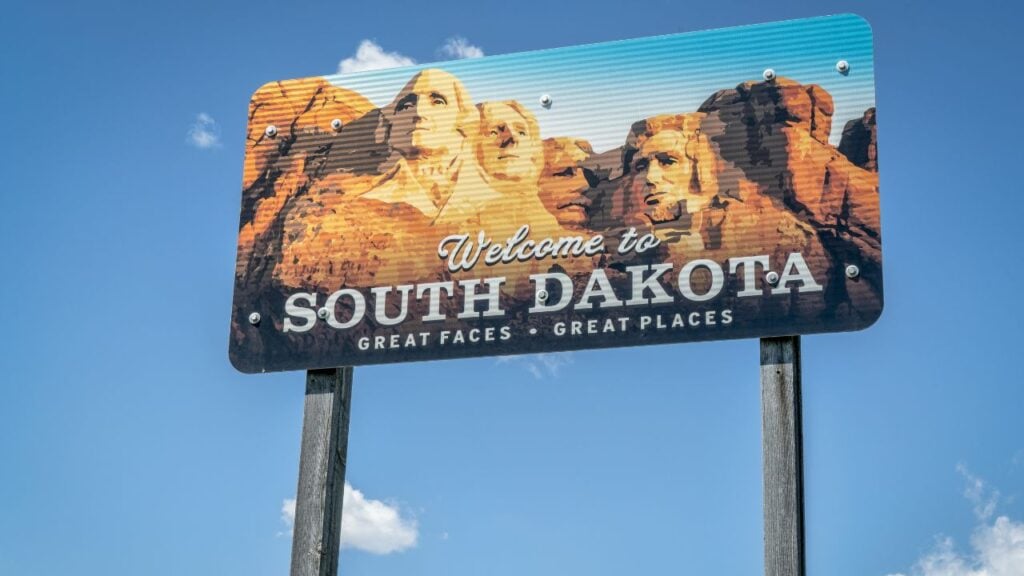
South Dakota charges its full state sales tax on a routine grocery run.
Idaho and Hawaii also tax groceries at their full rates, though both offer credits, and newcomers find out when they unload a full cart at the register.
8 Things That Confuse Everyone Who Moves to South Dakota
9 Things South Dakotans Miss Most After They Move Away
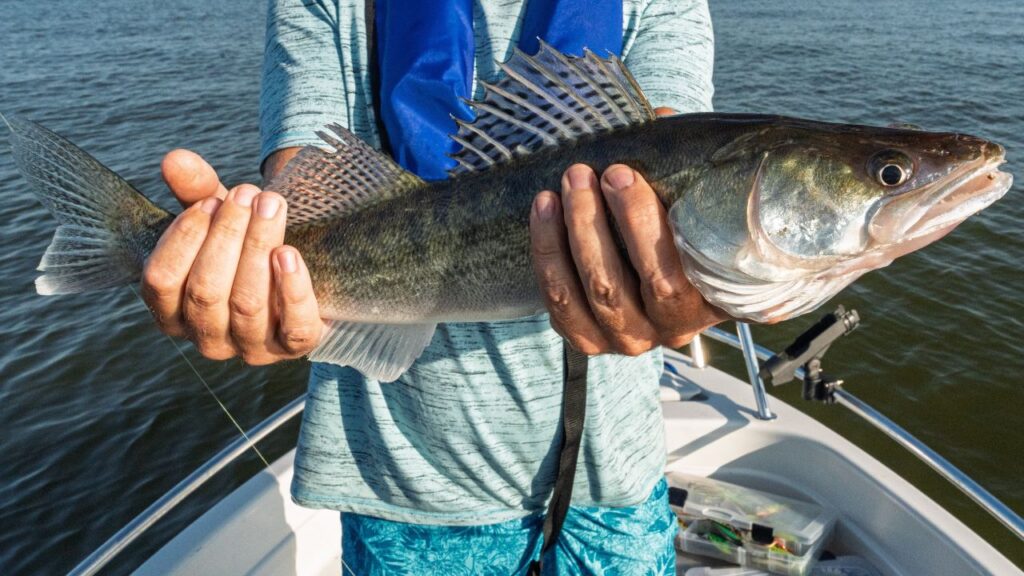
South Dakota sells a resident small game license for $36, according to Game, Fish and Parks, plus an agent fee.
Move away, and the state wants 90 consecutive days of domicile before it sells you the cheap one again.
