
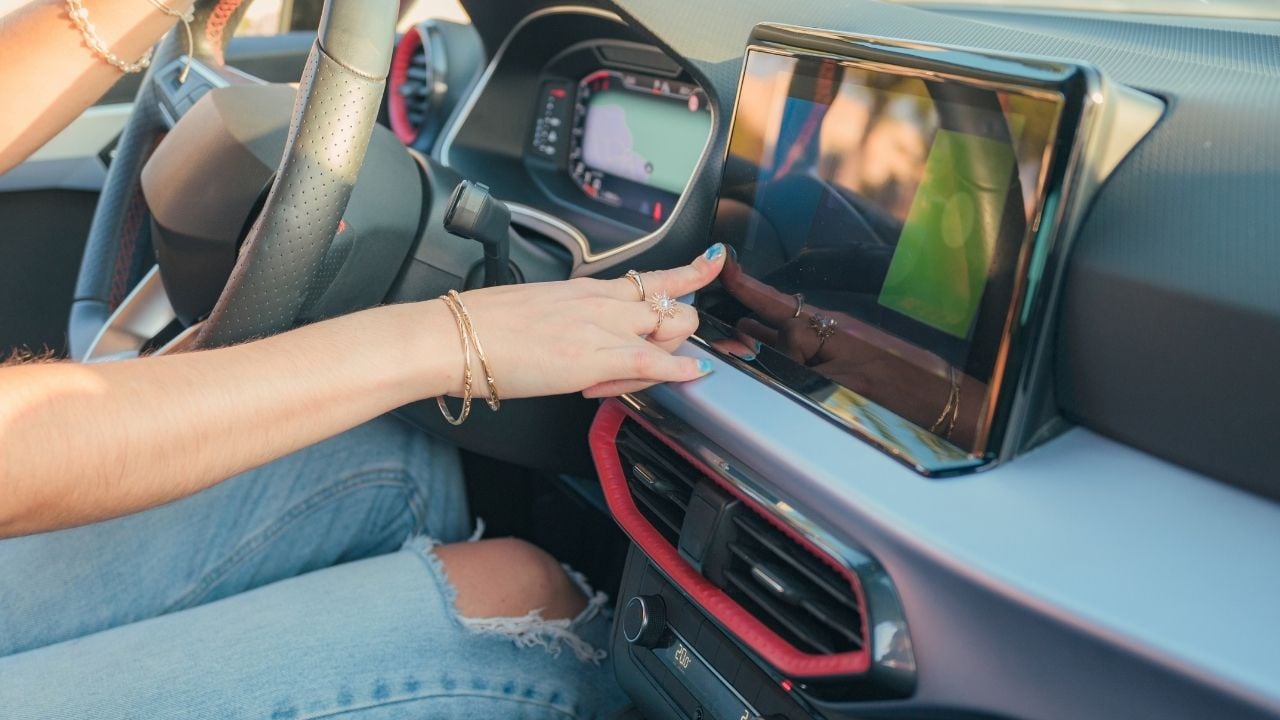
7 Features Ohio Drivers Already Own That Carmakers Charge a Monthly Fee to Unlock

Remember when buying a car meant the features came with the car?
That’s getting harder to assume.
Today, an Ohio driver can have cameras, sensors, or remote-start technology already built into their vehicle and still have to pay a monthly fee to use it.
These are the features Ohio drivers already own that carmakers charge a monthly fee to unlock.
Note: This is general information, not financial advice. Subscription plans, pricing, and included trial periods are subject to change and vary by automaker and model.
1. GM Super Cruise
GM Super Cruise already comes factory-installed on more than 20 Chevrolet, GMC, Cadillac, and Buick models.
It uses radar, cameras, and a driver-attention camera to steer, brake, and change lanes hands-free on more than 600,000 miles of mapped highway.
New buyers get three years of Super Cruise included with an eligible vehicle.
After that trial ends, GM charges $39.99 a month, or $399 a year, to keep the system running.
GM itself says only 30% to 40% of owners choose to renew once the free years are up.
It just goes dark.
2. Ford BlueCruise
Ford charges $49.99 a month to keep BlueCruise running once the free trial ends, a fee attached to hardware the driver already owns.
That hardware ships standard on the F-150, Mustang Mach-E, Explorer, and Expedition, plus several Lincoln models, using the same style of cameras and radar GM relies on for Super Cruise.
A 90-day trial comes with an eligible vehicle.
The monthly plan works out to $495 a year, or Ford will sell a one-time fee of $2,495 that guarantees at least seven years of access instead.
That one-time option is the rare case where the fee follows the vehicle instead of the driver, so a used Ford or Lincoln can inherit BlueCruise from the original owner.
Choose the monthly plan instead, and Ford turns the feature off the moment a payment lapses, even though the cameras never leave the windshield.
The hardware stays put.
3. Tesla Full Self-Driving
Tesla Full Self-Driving runs on the cameras and onboard computer that come standard in every Tesla, whether or not a driver ever turns the feature on.
Tesla stopped selling Full Self-Driving (FSD) as a one-time purchase on February 14, 2026, moving to a subscription-only model.
The Supervised version now costs $99 a month.
Elon Musk has said that price will rise as the software gets more capable, though Tesla hasn’t said when or by how much.
Tesla decides, not the driver.
4. Mercedes-Benz Acceleration Increase
Mercedes-Benz sells an Acceleration Increase upgrade for its EQE and EQS electric sedans and SUVs, pulling the extra output from the same motor already sitting under the hood.
Same motor, bigger bill.
An EQE 350 4MATIC gains about 60 horsepower and sheds close to a second off its 0-60 mph time.
An EQS 450 4MATIC gains up to 80 horsepower.
Mercedes charges $60 a month for the EQE version and $90 a month for the EQS version, though a one-time lifetime payment of roughly $1,950 to $2,950 is also on the menu.
The upgrade arrives over the air, with no dealer visit and no new parts installed.
5. GM’s In-Vehicle Wi-Fi Hotspot
GM’s in-vehicle Wi-Fi hotspot already comes built into eligible Chevrolet, GMC, Buick, and Cadillac models as standard equipment, with no separate modem for an owner to buy or install.
OnStar has to power that hotspot for it to work.
The cheapest plan that includes it, Connect Plus, runs $24.99 a month.
Skip the plan, and the hotspot hardware sits behind the dash unused, even though it shipped with the car.
It’s already there.
The Math on GM’s Bundled Plan
GM’s OnStar Wi-Fi hotspot and GM Super Cruise sit on the same monthly subscription menu, and buying them one at a time costs more than bundling them.
Connect Plus alone costs $24.99 a month, and Super Cruise alone costs $39.99 a month, so paying for both separately runs $64.98 a month total.
GM’s OnStar One plan bundles Wi-Fi, Super Cruise, and every other OnStar feature into one $49.99-a-month plan instead.
Either way, the bill is for hardware that shipped installed on the car.
6. Toyota’s Remote Start
Toyota’s remote start already lives inside the key fob of many 2018-or-newer Toyotas, ready to warm up or cool down the cabin before a driver ever opens the door.
New Toyotas come with a free trial of Remote Connect, and Toyota’s own newsroom shows that trial running anywhere from one year to 10, depending on the model and trim.
Once that trial ends, Toyota’s base Remote Connect renewal runs $8 a month, or $80 a year, on Toyotas that still sell it as a standalone service.
On Toyota’s newest models, remote start no longer comes as its own subscription: Keeping the key fob’s button working means buying into one of Toyota’s bundled plans, which start at $15 a month.
Toyota has confirmed the vehicle needs an active subscription for the key fob to start the car remotely at all.
The fob never changes.
The bill does.
7. Lexus Safety Connect’s Stolen Vehicle Locator
Lexus Safety Connect already has the GPS and cellular hardware installed to help track a stolen vehicle from the moment it leaves the factory floor.
A trial period covers the service when the car is new.
After that trial lapses, keeping Safety Connect active costs roughly $8 a month, or about $80 a year, for the whole bundle of emergency and roadside features the stolen-vehicle locator rides along with.
Skip the renewal, and that GPS chip stays in the dash without reporting back to anyone, along with the rest of the bundle it’s part of.
Psst! How much do you know about the history behind these car subscription paywalls? Take our quiz and see if you can ace it.
Quiz
Car Subscription History IQ
Answer these questions on how automakers started charging for car features. We bet you can’t get them all right. Prove us wrong?
In what year did General Motors first launch OnStar, the company that later became the model for car subscription plans?
The Money Behind the Model
Ohio drivers already pay an average of $136 a month to insure the car in the driveway, before any of these subscription bills even start.
GM's OnStar and Super Cruise monthly subscriptions turned into a $5.4 billion deferred-revenue business for 2025 alone, up 65% from the year before.
Deferred revenue is money GM has already collected for services it hasn't finished delivering yet, essentially a running tab on features that unlock over time.
OnStar counted more than 12 million active subscribers by the end of 2025, and more than 620,000 of them subscribed to Super Cruise alone, up 80% in a single year.
The business keeps growing.
Other automakers are chasing the same math, since a car that keeps billing after the sale is worth more to a balance sheet than one that doesn't.
BMW's Backlash Retreat
BMW charged roughly $17 to $18 a month to activate heated seats already wired into many of its vehicles, starting in some international markets in 2022.
Owners online pointed out that the seat-warming hardware had shipped with the car either way, subscription or not.
BMW pulled the heated-seat subscription by September 2023, after a board member acknowledged that customers felt like they were paying twice for something they already owned.
One automaker blinked.
BMW still sells other software upgrades on demand, just not for hardware a driver can already feel warming up underneath them.
More than 90% of BMWs sold in the U.S. already ship with heated seats as a factory-ordered option, hardware BMW's American arm never tried to price separately in the first place.
7 Ohio Vehicle Inspection Mistakes That Cost Drivers Time and Money
Ohio State Highway Patrol troopers, not a mechanic or the Bureau of Motor Vehicles (BMV), sign off on every salvage-titled car in the state.
That's just one of three separate inspection systems Ohio runs, each with its own paperwork, its own clock, and its own fee.
7 Ohio Vehicle Inspection Mistakes That Cost Drivers Time and Money
9 Things That'll Get You Pulled Over Fast in Ohio
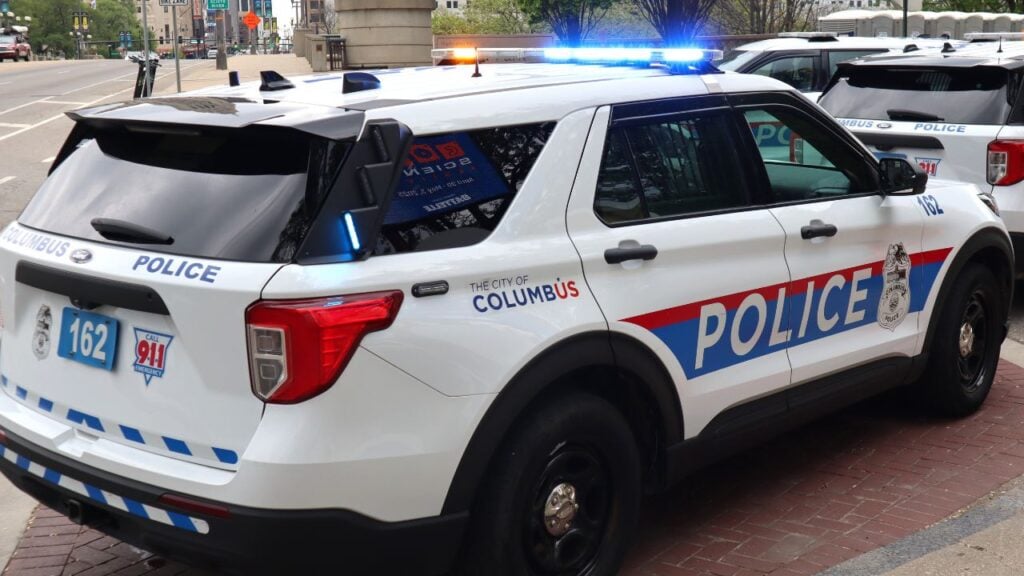
A cruiser's lights fill someone's rearview mirror on I-71 outside Columbus, and the driver runs through everything they might have done wrong.
It doesn't always take speeding, a busted taillight, or a wild lane change to earn that stop.
