
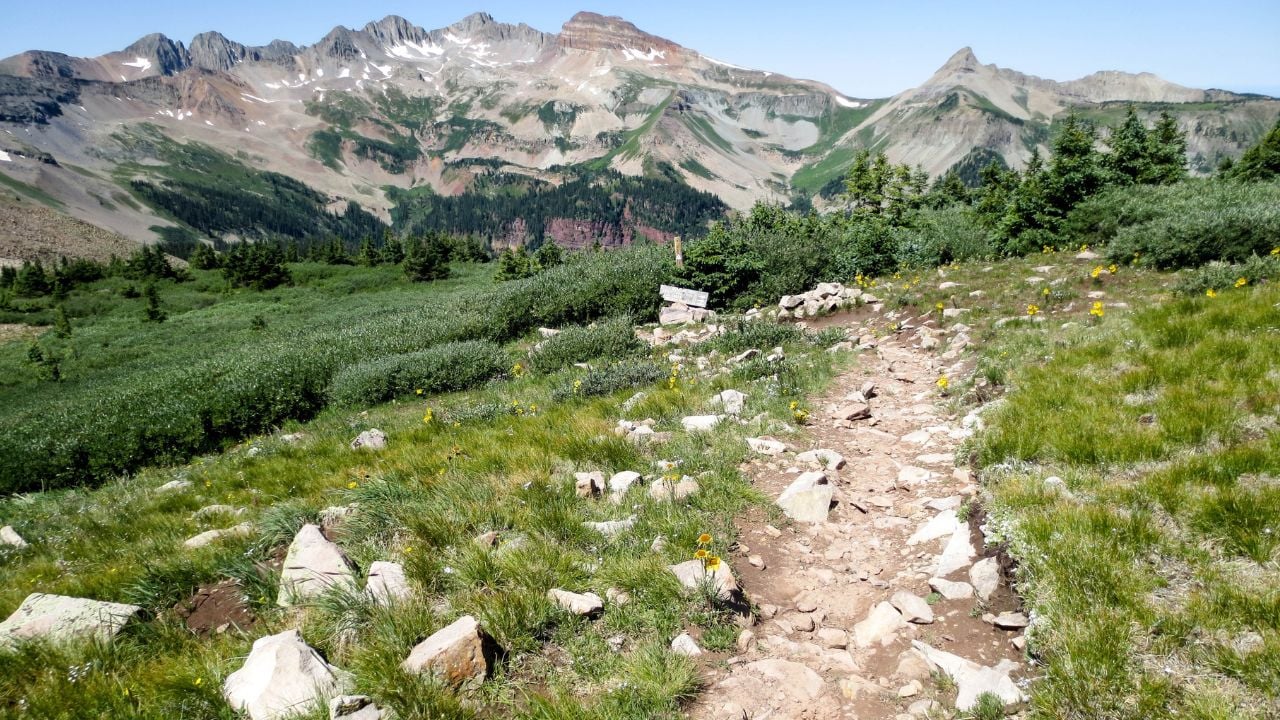
7 Local Customs New Colorado Residents Accidentally Break

Just under 41% of Colorado’s population was born in the state, per a Denver Gazette read of Census data.
That share has barely moved in a decade.
So, many of the people breaking Colorado’s unwritten rules are the same people who’ll be enforcing them in five years.
These are the local customs new Colorado residents accidentally break.
Note: This is general information about Colorado’s unwritten customs, not safety advice. Mountain weather, trail conditions, and slope crowds change fast, so check current conditions before you go.
1. Driving Like a Flatlander
Colorado’s mountain roads sort newcomers fast, and locals have a word for drivers who don’t adjust.
Coloradans call an out-of-stater who struggles with high-elevation driving and snow a flatlander, per Denver Gazette’s glossary of Colorado slang.
The label sticks.
Slowing to a stop in a travel lane for a photo is one of the fastest ways to earn it.
A Colorado visitor guide flags the habit as a hazard on mountain roads.
The same guide expects slower drivers to keep right and pull over once faster traffic stacks up behind them.
A rental car with out-of-state plates gets the benefit of the doubt for about a week.
2. Ignoring Uphill Right of Way
Colorado’s trail etiquette runs on one rule that catches many new hikers off guard.
Uphill hikers go first.
Downhill hikers step aside instead.
Mountain bikers yield to hikers, and everyone yields to horses, per Colorado trail guidance.
A hiker fresh off flatter trails elsewhere can plow downhill through an uphill group without ever realizing the unwritten rule exists.
3. Cutting Switchbacks Above Treeline
Colorado’s alpine tundra looks tough from a distance, all rock and low scrub above 11,000 feet.
A single boot print off the marked path can outlast an entire hiking season.
Long-term monitoring at Rocky Mountain National Park found that badly damaged tundra can take many years to recover.
The most severely trampled patches showed no meaningful recovery at all, even after years of observation.
The damage stays.
Stepping around a muddy patch or cutting a switchback to save ten minutes does harm that takes far longer to undo.
4. Skipping the Alpine Start
Colorado’s fourteener culture runs on an unwritten clock many new hikers don’t expect.
Locals start hiking before sunrise, headlamps and all, aiming to be back below treeline by noon.
Noon is noon.
Afternoon thunderstorms build over Colorado’s high peaks on many summer days.
The state ranks third in the nation for lightning-strike fatalities between 2006 and 2023, according to the National Lightning Safety Council.
A late start that feels harmless at 9 a.m. can turn into a sprint down an exposed ridge by 1 p.m.
Fourteener veterans build their whole schedule around beating that storm line, well before they ever reach the summit.
How Many Peaks the Alpine-Start Custom Covers
Colorado’s alpine-start custom applies across all 58 of the state’s peaks that top 14,000 feet.
Almost every one of those routes crosses exposed, treeless terrain above 11,000 feet, with nowhere to take shelter if a storm rolls in.
That’s the stretch locals are racing to clear before the early-afternoon storm window opens.
5. Skiing Like a Jerry
Colorado’s ski culture runs on an unwritten pecking order many newcomers never hear explained.
Locals use the word Jerry for a skier who hasn’t picked up the mountain’s unwritten standards yet, per Denver Gazette’s glossary of Colorado slang.
The name isn’t a compliment.
Slope-etiquette guidance for Colorado calls cutting the lift line rude, adding that it creates chaos for everyone else on the mountain.
Leaving skis or a snowboard scattered across the snow instead of upright at the edge of the run earns the same reputation.
A first day on Colorado slopes goes a lot smoother once a rider figures out where that unwritten line sits.
6. Blasting Music on the Trail
Colorado’s trail culture expects hikers to keep the noise down, and locals notice fast when someone doesn’t.
Colorado visitor guidance lists playing music out loud on a trail as a habit that bothers other hikers and can disturb the wildlife many people came out to see.
Nobody asked to hear it.
Headphones fix a lot of it.
Keeping one ear uncovered still matters on a shared trail, since bikers and horses need to be heard coming around a blind corner.
A speaker clipped to a backpack is a fast way to turn a trailhead against a newcomer before they’ve gone half a mile.
Psst! How Colorado-savvy have you gotten? Run through this checklist and see how many you already know.
7. Calling Yourself a Native
Colorado’s “Native” bumper sticker started with a Denver businessman who wasn’t a native himself.
Eric Glade began selling the sticker after spotting a campaign-era sticker for Governor Dick Lamm along Interstate 25, according to Denverite’s history of the sticker.
The label wasn’t subtle.
Parody versions followed fast, including one reading “not a native, but I got here as soon as I could.”
The side-eye Glade’s sticker was built to hand out still lands on anyone who slaps one on a bumper without a Colorado birth certificate behind it.
The word means one thing in Colorado: Born in the state, not just moved to it.
The U.S. Census Bureau counted just under 41 percent of Colorado’s population as native-born in 2024, a share that’s barely moved in over a decade.
That’s down slightly from about 42 percent as recently as 2018.
10 Things Coloradans Are Told About Their State That Aren’t True
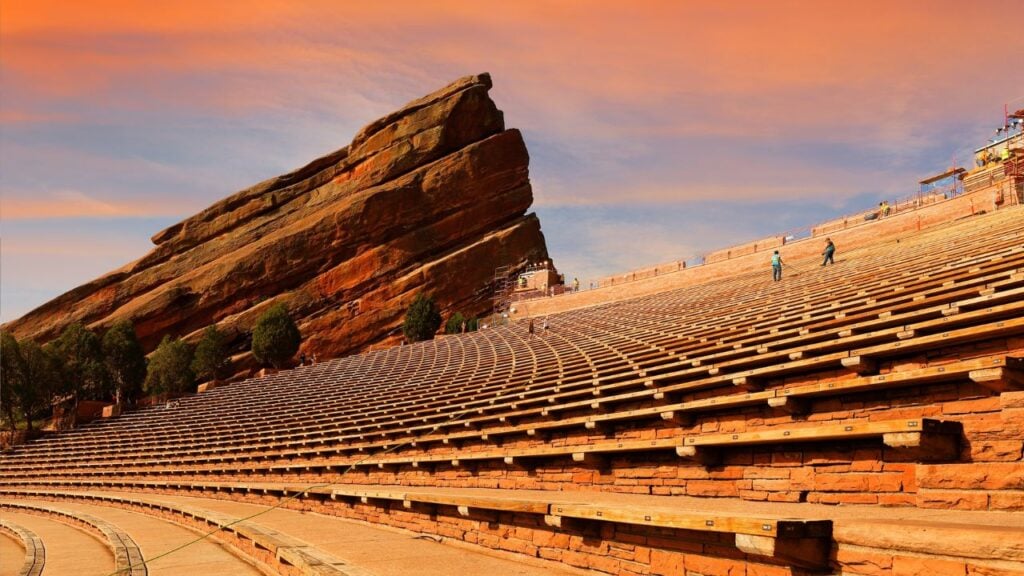
A hiker at Rocky Mountain National Park points to the nearest summit and calls it Colorado’s tallest peak.
It isn’t, and that’s just one of the myths Coloradans keep repeating as fact.
10 Things Coloradans Are Told About Their State That Aren’t True
10 Things Coloradans Say That Baffle Everyone Else
A visiting cousin listens to a Coloradan describe weekend plans and catches maybe half of it.
Locals pull words from ski runs, drought summers, and century-old mining camps without ever noticing they’re doing it.
