
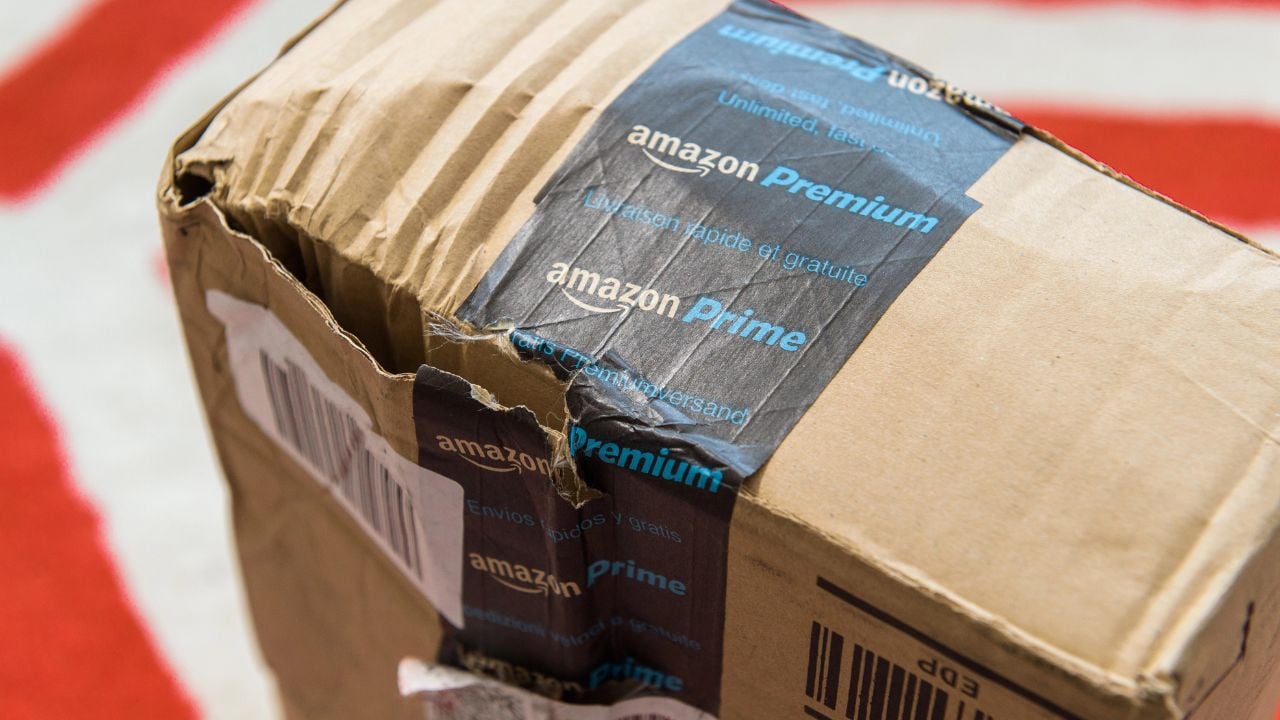
7 Prime Day Scams Targeting Florida Shoppers Right Now

Prime Day is in full swing, and so are the scammers.
While Floridians chase deals through Friday, June 26, criminals are flooding inboxes and phones with fake Amazon messages built to drain your money.
Here’s what to watch for before you click.
The Phantom Order Confirmation
This one runs on panic.
An email or text lands claiming you just bought something expensive, a laptop or a big-screen TV, on an order you never placed.
The message pushes you to click right away to cancel the charge or report the mistake.
That link is the trap.
It takes you to a fake page built to capture your login or your credit card number the second you type it.
Your real orders are on Amazon’s app and on Amazon’s website, nowhere else.
A text or email is never where you confirm or cancel a purchase.
So if such a message rattles you, leave the link alone. Open the Amazon app yourself, tap your orders, and look.
No mystery laptop in your purchase history means no charge to fight.
Scammers count on that jolt of fear to make you move before you think.
Slowing down for ten seconds defeats their whole scheme.
The Fake Delivery Problem
Expecting packages this week? That’s exactly what this scam banks on.
A text arrives saying your delivery has hit a snag.
Maybe the address came through wrong. Maybe a small fee is due before the box can go out.
Either way, the message wants personal details or a payment to set things right.
Amazon doesn’t work like that.
The company won’t text you for a fee or your card number to finish a delivery you already paid for.
For snowbirds juggling shipments at two addresses, these texts can feel believable, which is part of why they spread so fast.
When a delivery alert worries you, ignore the link and track the order straight from the Amazon app instead.
A real holdup shows up there in plain sight.
The Mirage Discount Site
Some traps don’t come to you.
You find them, often through a search result or a flashy ad, dangling a sought-after item at a price too good to pass up.
The site looks the part. Amazon’s colors, the familiar logo, glowing reviews, even a counterfeit “Amazon’s Choice” badge.
Look hard at the web address before you trust it, though.
Scammers lean on lookalikes such as “amazon-express” or a sly misspelling like “Amanzon” that sails right past a quick glance.
A brand-new game console at 80 percent off isn’t a once-in-a-lifetime find.
It’s scam bait, plain and simple.
Check for the lock icon and the “https” at the front of the URL address.
When something feels off, back out.
The safest habit during Prime Day this week is the simplest one: Shop only from Amazon.com or the official app, and treat any too-good-to-be-true price elsewhere as a warning rather than a win.
The Account Alert Trap
Losing access to an account is a fear nearly everyone shares, and this scam aims right at it.
An official-looking email warns of unusual activity on your Amazon account and presses you to sign in and verify before you’re locked out.
That sign-in button drops you onto a counterfeit page polished to pass for the real thing.
One giant red flag is any request to upload an ID or confirm your identity with personal information.
Amazon won’t ask for that through an email link.
Gone are the days when bad spelling gave these messages away.
Scammers now use artificial intelligence to write clean, professional notes that mirror Amazon’s real emails almost word for word.
So judge the message by what it demands, not by how polished it looks.
Never sign in from an alert.
Type Amazon.com into the browser yourself, or open the app, and check your account there.
A real problem, if it exists, will still be waiting once you’re safely logged in.
The Help Desk Imposter
This scam puts a friendly voice on the line.
Someone calls, or pops up in a chat window, claiming to be Amazon support with bad news about your account.
To fix the supposed breach, they ask you to read back a code, share your password, or let them control your computer from a distance.
That request is the con itself.
A real Amazon employee will never phone you out of the blue and ask for remote access to your device or your login.
Hang up the phone. Close the chat.
Don’t let a stranger’s urgency talk you into handing over the keys to your account.
Amazon also won’t ask you to buy gift cards to settle a supposed problem, a demand that should end any call on the spot.
If you want peace of mind, reach Amazon through the help section of its own app or website.
A number a caller gives you, or one that surfaces in a random search result, can lead straight back to the scammer who started it.
The Prime Renewal Trap
Your membership becomes the bait here.
A message claims your Prime is about to be canceled, or that it’s renewing at a steep new price, unless you update your billing this minute.
The link sends you to a fake billing page hungry for your card details.
Take a breath before you react.
Your true membership status lives in your Amazon account settings, never in a surprise email or text.
Check it there. Amazon won’t hold your Prime hostage behind a link in your inbox.
The Sponsored Social Trap
Scrolling Facebook or Instagram this week carries a hidden cost: Fraudsters buy targeted ads dressed up as Prime Day promotions and slip them right into your feed.
Tap one, and it whisks you to a slick clone site, the kind built to grab your card number or take your money for a product that never ships.
These ads blend in with real-looking logos and countdown clocks ticking down to nothing.
The fix is to treat your social media feed like a billboard, not a store.
If a promotion catches your eye, leave the ad alone and open Amazon on your own to search for the item.
One More Layer of Armor
Pay with a credit card rather than a debit card, a gift card, or a payment app.
A credit card gives you the strongest claim to your money back if a charge turns out to be fraud.
In contrast, gift cards and wire transfers are the hardest funds to recover.
That’s the very reason scammers beg for them.
15 Amazon Prime Perks You’re Paying For but Probably Never Use

If fast delivery is the only reason you’re paying for Prime, you’re leaving a ton of value on the table.
Here’s how to make Amazon Prime earn its keep.
15 Amazon Prime Perks You’re Paying For but Probably Never Use
10 Things Presidents Have to Pay for on Their Own
Living at 1600 Pennsylvania Avenue has obvious perks.
But the president of the United States still receives a monthly bill from the White House usher’s office, and what’s on that bill catches many Americans off guard.
10 Things Presidents Have to Pay for on Their Own That Americans Are Clueless About
