
7 Right-to-Farm Rules That Surprise New Vermont Neighbors

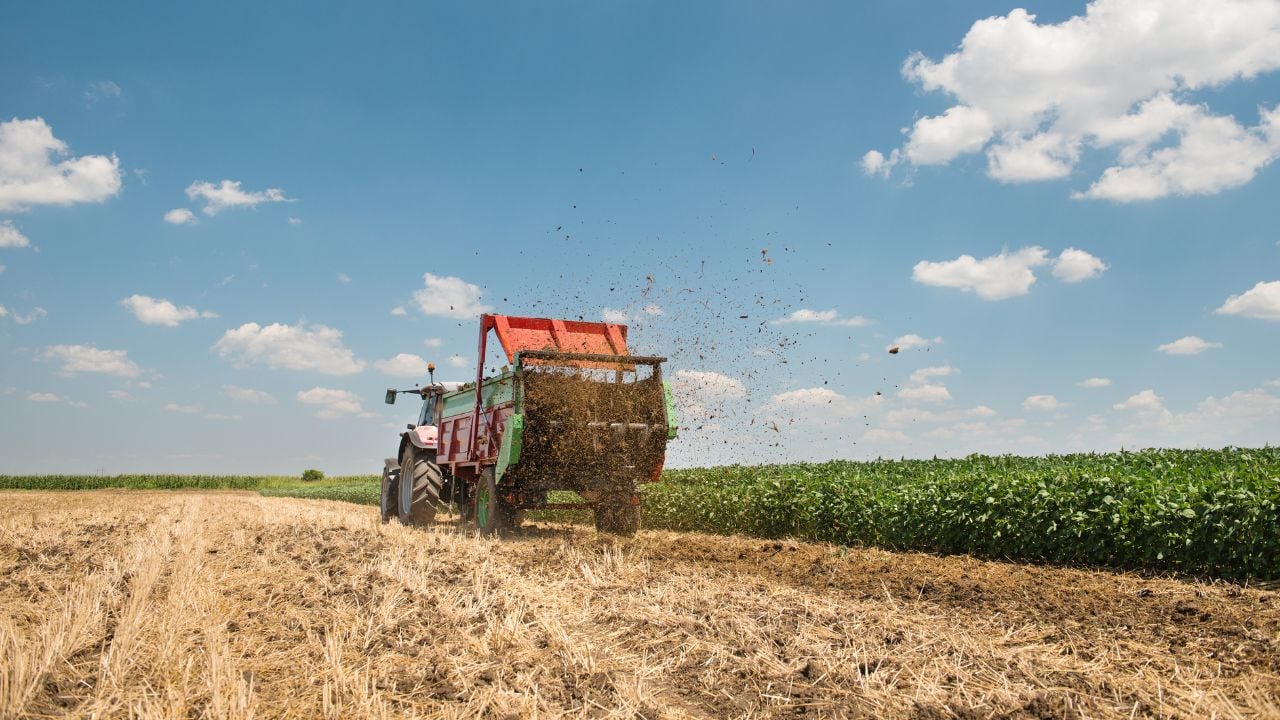
A moving truck backs up a gravel driveway outside Middlebury, and by the next morning a manure spreader is working the hayfield next door.
Nobody warned the new owners.
Vermont’s Agency of Agriculture only makes that spreader stop once a year, under a statewide manure-spreading ban that starts every December 15.
These are the right-to-farm rules that surprise new Vermont neighbors.
Note: This is general information, not legal advice. Vermont’s right-to-farm protections rest on state statute, agency rules, and court rulings that are subject to change.
1. The Same Shield for New Farms
Vermont’s right-to-farm law used to make a farm prove it got there first.
A neighbor could argue that a herd expansion, or a brand-new operation moving in next door, never earned protection because it came after the house did.
Act 61, signed in 2025, erased that requirement.
Timing stopped mattering.
A farm that starts up after the house next door is already built now gets the same legal presumption against nuisance.
So does a farm that has worked the same Addison County field for a hundred years.
2. Mediation Before a Lawsuit
Under Vermont’s right-to-farm law, an angry neighbor can’t walk straight into court.
Under Act 61, anyone with a nuisance complaint about a farm has to attempt mediation with the farm operator first.
Both sides split the cost of the mediator, unless they agree otherwise.
There’s no lawsuit without mediation first.
A newcomer expecting to call a lawyer the same week the tractor wakes them up finds a slower, cheaper first step already built into Vermont law.
3. Noise, Dust, and Smell Named by Law
Vermont’s nuisance statute doesn’t leave “farming” vague.
State law spells out protected agricultural activity by name.
The list includes the noise, odors, dust, and fumes a farm generates, plus equipment and livestock trailers moving on public roads.
Spraying a field, running a chopper before sunrise, and hauling a wagon at 15 miles an hour on a state highway all count.
A new neighbor who assumes the tractor at dawn is a separate problem from “farming” is working from the wrong list.
4. The Neighbors’ Burden of Proof
A farm doesn’t have to prove it’s harmless under Vermont’s right-to-farm law.
A qualifying farm gets a legal presumption that it isn’t a nuisance.
State law puts the burden on the person filing the complaint to knock that presumption down.
Not the farmer.
The neighbor does, and they have to show more than annoyance to win.
What Breaks Vermont’s Farm Shield
Vermont’s right-to-farm shield has one gap.
A neighbor gets through it by proving the farm’s activity causes a substantial adverse effect on health, safety, or welfare.
A noxious and significant interference with the use and enjoyment of their property clears the same bar, the exact test written into state law.
Manure runoff reaching a neighbor’s well or smoke drifting into a bedroom on many nights can meet that standard.
A single early tractor pass almost never does, especially once the farm has already sat through mediation.
5. Manure Spreading’s Off-Season
Vermont protects manure spreading as lawful farming for most of the year, but not all of it.
The state’s Required Agricultural Practices ban spreading manure and other agricultural waste statewide from December 15 through April 1.
106 days, every winter.
No exceptions for a farm that ran short on storage.
Outside that window, a farm following the rules still gets full nuisance protection for the smell.
That includes the fall push, when Vermont dairy farms empty their manure pits right after chopping corn silage.
A neighbor counting on relief in October is counting on the wrong month.
6. One Violation’s Cost to the Shield
A single violation can cost a farm Vermont’s right-to-farm protection.
To claim the presumption at all, a farm has to be in good standing with the Agency of Agriculture or the Agency of Natural Resources.
That means no unresolved final enforcement action against the farm.
One unresolved violation changes everything.
A farm mid-dispute with the state over a manure spill or a stream buffer walks into a nuisance case without the presumption many Vermont farms carry.
An open violation leaves the neighbor an opening.
Psst! How much do you know about Vermont’s farms and rural traditions? Take our quiz and see how many you can get right.
Quiz
Vermont Rural Life IQ
Answer these questions on Vermont farms, fairs, and old-school traditions. We bet you can’t get them all right. Prove us wrong?
What did Vermont become the first state in the continental U.S. to ban along its highways in 1968?
7. Backyard Flocks Protected, Except the Roosters
H.941 keeps Vermont's newest zoning fight inside the same right-to-farm framework that shields farms from nuisance suits elsewhere on this list.
Vermont towns lost ground on farm zoning in 2026.
A state Supreme Court ruling had briefly let a city regulate a resident's backyard ducks and vegetables through local zoning, over neighbors' complaints in a residential cul-de-sac.
Lawmakers reversed that ruling.
Small farms and poultry flocks that meet the state's farming threshold are now exempt from municipal bylaws.
Lawmakers carved roosters out of the exemption.
A town still can't touch a Vermont neighbor's hens under the new law.
It can still regulate a crowing rooster on its own, since the exemption carves that one bird out by name.
A rooster complaint still runs through the town, not the state, and that carve-out is the one crack in an otherwise wide shield built for the farm next door.
9 Vermont Foods and Drinks That Make Visitors Regret Asking What’s in Them

Vermont passed a law in 1999 asking restaurants to make a good-faith effort when they serve apple pie, and cheese is only one of three ways to meet it.
The rest of the list runs from a wild game supper that catches out-of-staters off guard to a soda many Americans have never tried.
9 Vermont Foods and Drinks That Make Visitors Regret Asking What’s in Them
7 Precautions Vermonters Must Take at Target

A Target run feels like a harmless errand until a shopper walks out with a cart full of things they never planned on buying.
These are the simple moves that keep a normal trip from turning into an expensive one.
