

7 Things a Virginia County Can Fine You For That No HOA Can Touch

Homeowners associations tend to get the blame when a fine shows up in the mailbox.
But your county can have its own list of penalties, and some Virginians may be surprised at how quickly they add up.
These are the things a Virginia county can fine you for that no HOA can touch.
Note: This is general information, not legal advice. County ordinances, fees and association rules vary by locality and are subject to change, so check your governing documents.
1. Out-of-State Plates
You have 30 days to register a car in Virginia after you buy it or move to Fairfax County.
Fairfax County’s out-of-state plates page says the county files your personal property tax return for you if you register with the DMV inside those 30 days.
If your car still has out-of-state plates after that, Fairfax County charges you a $100 tax under its Code 4-17.3-1 and a $250 penalty under Virginia Code 46.2-662.
That’s $350.
It comes on top of your local vehicle tax.
Psst! How much do you know about HOA rules? Tap through these cards and see if you can ace them all.
2. Unreported Vehicles
Roanoke County adds a 10% late filing penalty to your vehicle tax bill if you don’t report a vehicle within 60 days of buying it or moving in.
That rule applies if you move to Roanoke County from out of state, too.
You report your vehicles to the Commissioner of the Revenue’s office.
The 10% applies to the full tax bill, including the Car Tax Relief portion.
3. Late Business Licenses
If you start a business in Chesterfield County, you have 30 days to register with the Commissioner of the Revenue.
After that, you can face a late payment penalty of up to 10% of the tax due, along with interest.
Chesterfield County’s renewal period runs from January 1 to March 1 each year.
The county gives a renewal it receives after March 1 a late filing penalty.
Interest on a late renewal starts accruing April 1.
If you close the business without notifying the Commissioner’s office, your account stays open and noncompliant, and it may incur assessments under Virginia Code 58.1-3519.
4. Clearing a Waterside Buffer
Stafford County’s environmental FAQ says breaking its Resource Protection Area (RPA) rules can cost you civil penalties of up to $5,000 a day.
Virginia’s Chesapeake Bay Preservation Act sets the same daily ceiling for Tidewater localities.
An RPA includes tidal wetlands, tidal shores and a buffer at least 100 feet wide beside them.
The county bans clear-cutting in an RPA.
You can’t strip native plants to make a lawn.
You have to restore the RPA by replanting trees, shrubs and ground cover.
5. Abandoned Vehicles
A vehicle you leave on public property in Henrico County for more than 48 hours can cost you a civil penalty of no more than $500.
Section 22-253 of the county code sets that penalty.
The rule covers a public right of way, such as the side of the road or a median.
If the vehicle is still there after a 48-hour reinspection, the county’s Tag N Tow program arranges a tow.
County Penalty Ceilings vs. HOA Charge Ceilings
For a single offense, Henrico County’s $500 ceiling is ten times the $50 a Virginia HOA can charge.
An HOA’s continuing-violation ceiling is higher: $10 a day for the 90 days the Property Owners’ Association Act allows comes to $900.
Before an HOA can charge you at all, it has to send you written notice and a reasonable chance to correct the violation.
6. Repeat False Alarms
In Fairfax County, your third false alarm brings a civil monetary penalty of $100.
Your first two false alarms cost nothing under Chapter 8.1 of the county code.
After that, the penalty moves up in steps: $150 for the fourth false alarm, $500 for the ninth and $1,000 for the 14th.
From the 25th on, you can face a penalty of $3,000 for every false alarm.
7. Skipped Septic Pump-Outs
If you skip a required septic tank pump-out in Loudoun County, you can face a civil penalty of $100 for an initial summons.
Each additional summons costs $150, under Section 1066.22 of the county code.
The same schedule covers failing to maintain, repair or replace your onsite sewage system after it stops working as designed.
The Health Department may issue a civil summons.
Each day counts as a separate offense, but Loudoun County can charge you for the same violation only once in any 10-day period.
Penalties from the same facts can’t top $3,000 in total.
Unpaid County Bills
Chesterfield County’s delinquent billings page lists a 10% late payment penalty that starts the day after your tax bill’s due date.
Interest runs 10% a year, starting the month after the due date.
The county can add a $30 administrative fee 30 days after its first delinquency notice.
Chesterfield County can have the DMV withhold your vehicle registration if you still owe, with a $25 fee to release each hold.
The county can hold a judicial sale of real estate for delinquent taxes.
That happens when the taxes are still unpaid on the December 31 after the second anniversary of the due date.
Tall Grass and Weeds
A county can fine you for tall grass and weeds under Virginia Code Section 15.2-901.
Your HOA can charge you for the same lawn if your declaration or rules require a trimmed yard, under Virginia Code Section 55.1-1819.
Both can apply.
In a county with fewer than 500 people per square mile, the ordinance covers only some areas.
Those are subdivisions with recorded plats and areas zoned for residential, business, commercial or industrial use.
A series of violations can cost you up to $3,000 in 12 months, or $6,000 on industrial or commercial property.
If the county cuts your grass for you, the unpaid bill becomes a lien that ranks alongside unpaid real estate taxes.
8 Utility Deposit Rules That Catch New Virginians Off Guard
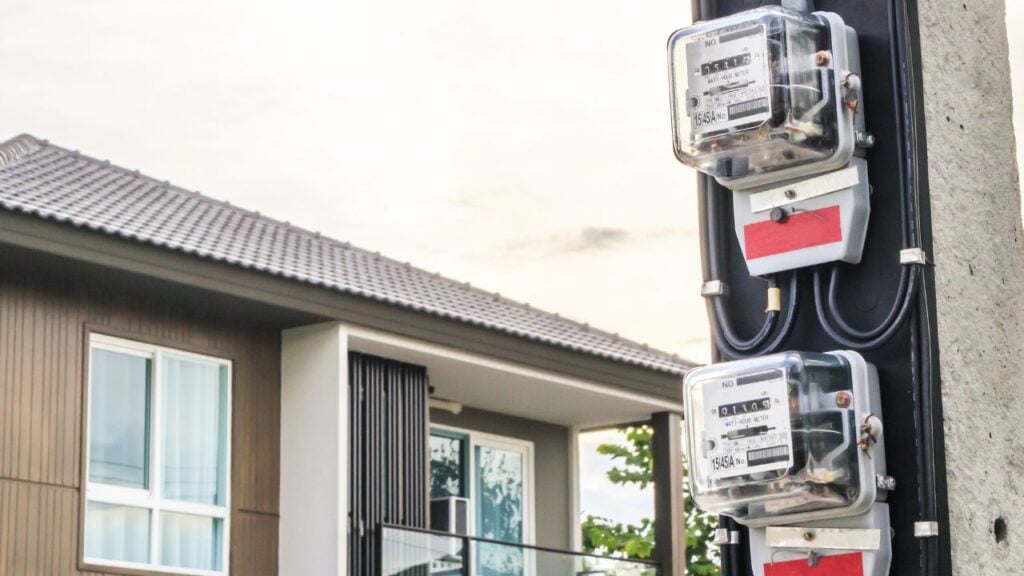
A utility can’t charge a new Virginia customer whatever deposit it wants.
The State Corporation Commission writes the rules a utility has to follow.
8 Utility Deposit Rules That Catch New Virginians Off Guard
12 Things Virginia Home Inspectors Notice Before Buyers Even Walk Inside
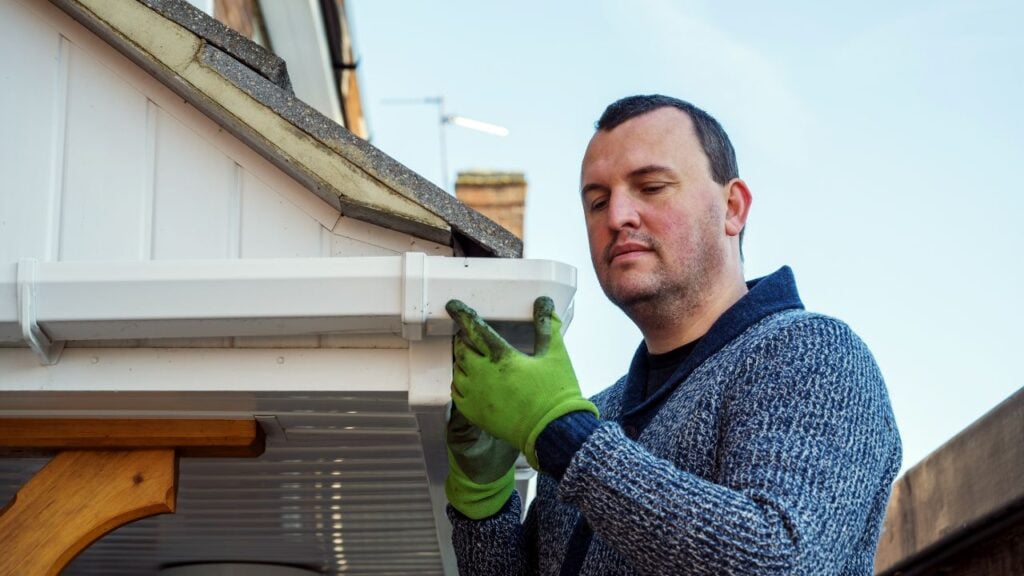
Home inspectors don’t need to step inside before a property starts raising questions.
What looks ordinary on the walk to the front door can tell a trained eye something very different.
12 Things Virginia Home Inspectors Notice Before Buyers Even Walk Inside
